- Home
- Boat Builders
Sailboat Builders Past & Present
A Guide to Offshore Legends
Key Takeaways: Pinpointing the finest sailboat builders past and present is a journey through maritime history that separates mass-produced coastal cruisers from true blue-water thoroughbreds. For the serious offshore sailor, a builder’s pedigree is the most reliable gauge of structural integrity and long-term value. Whether you are drawn to the heavy-displacement legends of the 1970s or the performance-oriented carbon builds of today, the hallmark of a top-tier yard remains a commitment to over-engineering and sea-kindly hull forms that look after their crew when the weather turns.
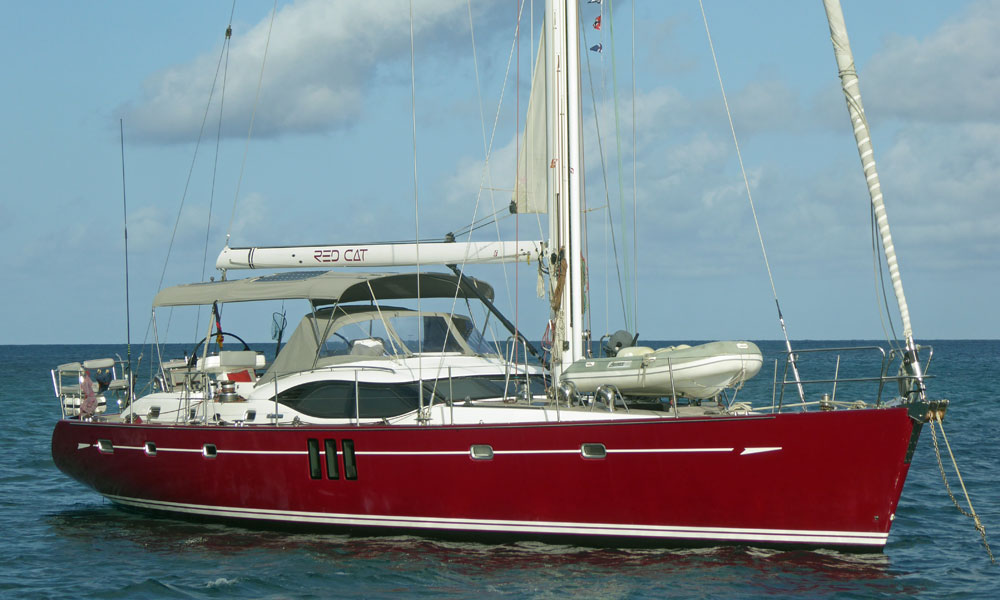
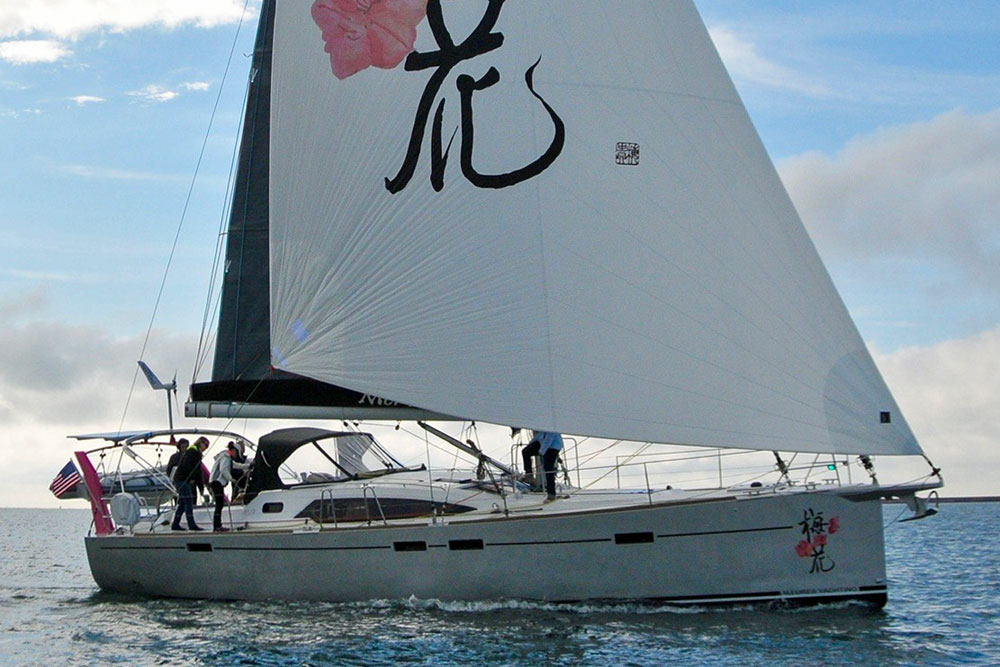 One of the modern breed, an aluminium-hulled Allures 45.9
Table of Contents
- The Evolution of Blue-Water Construction
- Heritage Yards: The Pillars of Traditional Design
- The Modern Era: Performance Meets Comfort
- Defunct Builders: Identifying the GRP Classics
- Niche Custom Yards and the Rise of Aluminium
- Material Science: From Heavy GRP to Vacuum Infusion
- Summing Up
- Frequently Asked Questions
The Evolution of Blue-Water Construction
The landscape of sailboat building has shifted dramatically since the "GRP revolution" of the 1960s. Early pioneers often used thick, solid laminates because the long-term properties of polyester resin and fibreglass were still a bit of a mystery. This caution resulted in "bulletproof" boats that, while heavy, offer immense peace of mind in a gale.
Modern sailboat builders have largely moved toward sophisticated sandwich constructions and vacuum infusion. This transition allows for lighter hulls that don't sacrifice an ounce of stiffness. For the offshore sailor, the debate between the displacement-heavy designs of the past and the light-displacement, high-stability designs of the present remains a central theme when choosing a home for the high seas.
Heritage Yards: The Pillars of Traditional Design
Several builders have maintained a reputation for excellence for over half a century. These yards are often the first port of call for sailors planning a circumnavigation.
Hallberg-Rassy (Sweden)
Perhaps the most iconic name in blue-water cruising, Hallberg-Rassy successfully transitioned from the heavy, long-keeled designs of Christoph Rassy to the modern, faster hulls of Germán Frers. They are famous for those protected centre cockpits and joinery that feels more like a fine home than a boat.
Nautor Swan (Finland)
Swan set the gold standard for performance cruisers. Their early Sparkman & Stephens designs are still highly coveted for their gorgeous lines and seaworthiness. Today, they push the boundaries of luxury and speed, catering to the very top tier of the offshore market.
Hinckley Yachts (USA)
While they are most often seen in American waters, Hinckley represents the pinnacle of build quality. Their work remains a benchmark for elegance, proving that a boat can be both a work of art and a serious ocean-crosser.
Malö Yachts (Sweden)
Often overshadowed by their neighbours at Hallberg-Rassy, Malö builds what many consider to be even more robust offshore vessels. Known for deep, safe cockpits and their distinctive "Targa" arch, they are prized by those who value comfort when things get spicy.
The Modern Era: Performance Meets Comfort
In the current market, the focus has shifted toward yachts that provide "superyacht" amenities alongside nimble sailing characteristics. The following builders represent the elite tier of modern construction as of 2026:
- Beneteau (France): As the world leader in production yachts, they dominate the market with the Oceanis (cruising) and First (performance) lines. Their focus is on "mass-customisation" and innovative layouts.
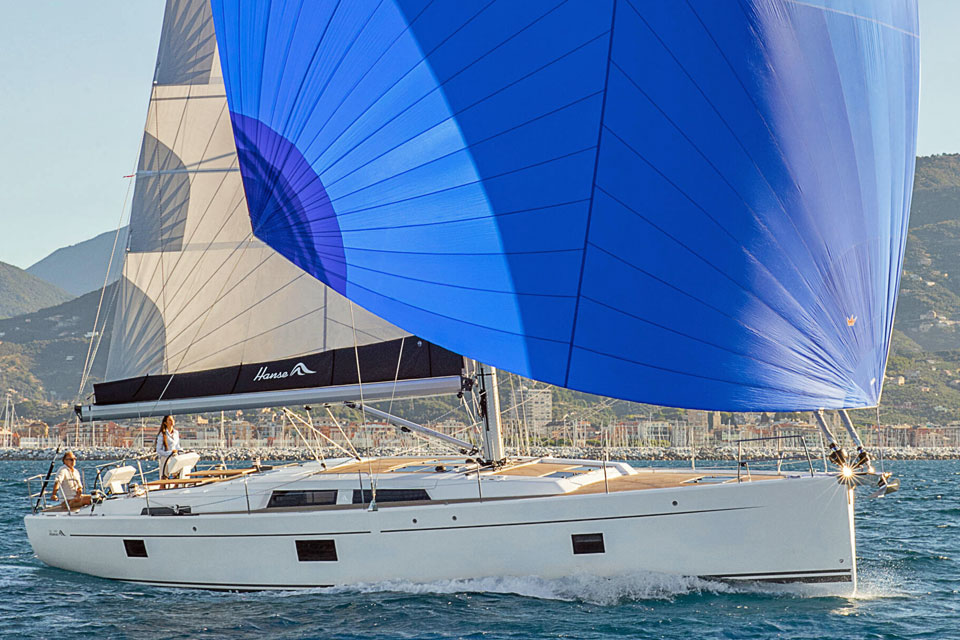
- Hanse Yachts (Germany): Known for the "Easy Sailing" concept, their designs often feature self-tacking jibs and lines led entirely to the helm, making large boats manageable for solo sailors or couples.
- Oyster Yachts (UK): Famous for their "deck saloon" design, Oyster yachts like the Oyster 495 and 595 offer 360-degree views from the cabin. Their modern fleet features plumb bows and extended bowsprits for faster passage-making without sacrificing luxury.
- Amel (France): Unlike mass-market builders, Amel focuses on high-quality ketch and sloop rigs designed for ultimate shorthanded safety. Their Amel 50 and 60 models are distinctive for their fully protected cockpits and deep-sea durability.
- X-Yachts (Denmark): A leader in the "racer-cruiser" category, X-Yachts pioneered the use of galvanised steel hull girders for safety. Their modern Pure X range utilizes vacuum-infused epoxy to maximize hull stiffness and sailing performance.
- Hylas Yachts (Taiwan): Collaborating with designers like Bill Dixon, Hylas produces powerful trans-ocean cruisers. The newer Hylas H57 incorporates twin rudders and lightweight cored hulls to provide a more responsive, contemporary sailing experience.
- Najad (Sweden): Building on the island of Orust, Najad represents the pinnacle of Scandinavian quality. Their yachts, such as the Najad 451 CC, blend traditional woodwork with modern hydrodynamic hulls for a balanced, seakindly motion.
- Pacific Seacraft (USA): Often cited as one of the best American boat builders, they maintain a "classic" aesthetic but have modernised their interiors and systems. Their Crealock-designed hulls are world-renowned for being heavy-duty, reliable "blue water" icons.
Defunct Builders: Identifying the GRP Classics
The brokerage market is full of "oldies but goldies" from builders that no longer exist but whose hulls are still out there crossing oceans. For a sailor on a budget, these names are pure gold.
- Nicholson (Camper & Nicholsons): Legendary for their strength, these were built back when the UK led the world in yacht production.
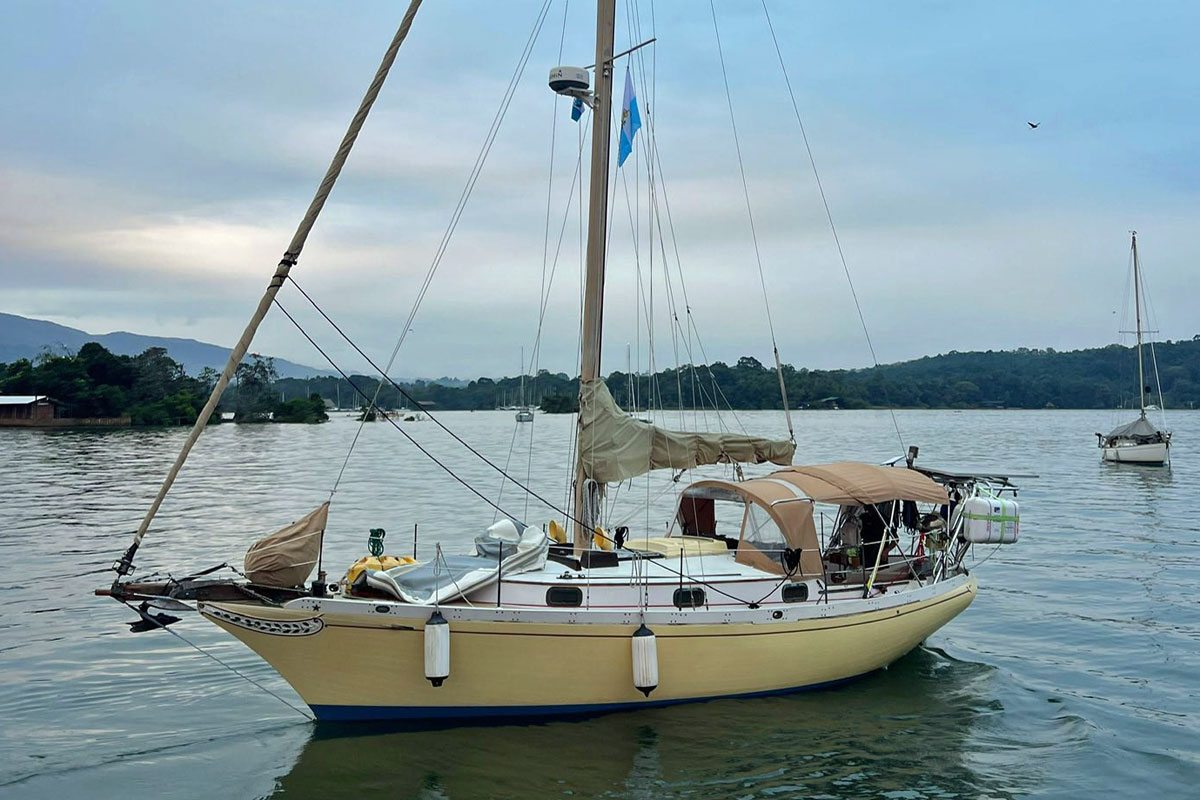
- Vancouver Yachts: Designed by Robert Harris, these are the quintessential "heavy weather" small cruisers. If you want to feel safe in a 40-knot blow, look for a Vancouver.
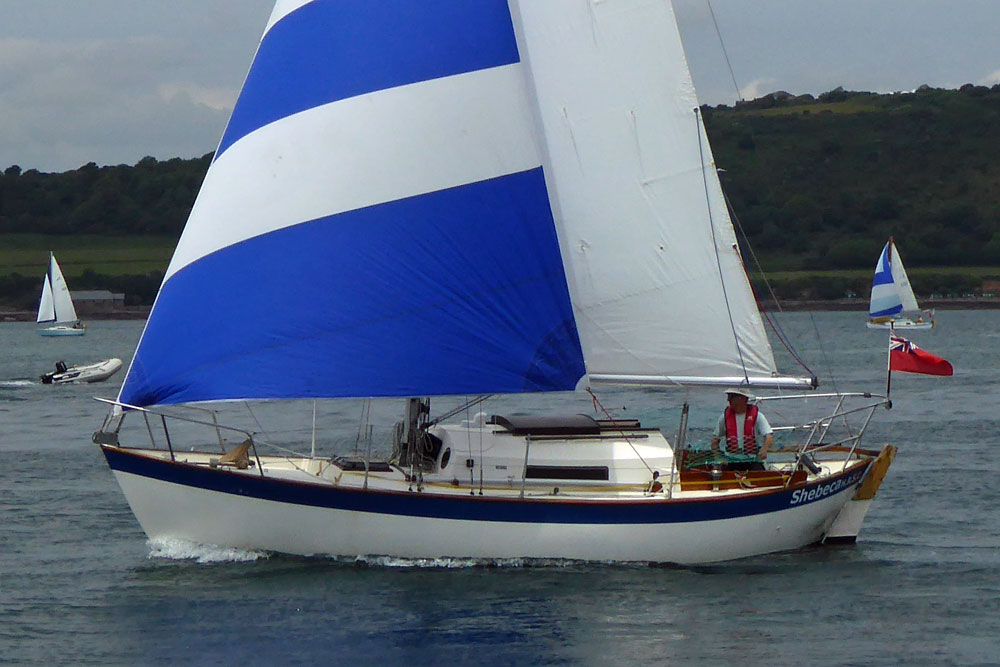
- Westerly Marine: Once the UK’s largest builder, they made practical, robust boats that have stood the test of time remarkably well.
- Contessa (Jeremy Rogers): A name synonymous with heavy weather performance. Their designs proved that you don't need a ship-sized yacht to handle a storm.
- C&C Yachts: These Canadian pioneers proved that balsa-core hulls could be light, fast, and still handle a proper cruising life.
- Pearson Yachts: A titan of the early US fibreglass scene, Pearson produced seaworthy designs that are still beloved by coastal and offshore cruisers alike.
Niche Custom Yards and the Rise of Aluminium
For some, GRP just won't do. If you are headed for high latitudes or coral-strewn waters, aluminium’s impact resistance is hard to beat.
Alubat (Ovni)
The Ovni range of lifting-keel aluminium boats changed everything for sailors who wanted to explore shallow creeks or beach their boat, all while having a vessel capable of crossing an ocean.
Garcia Yachts
Garcia lives in the "Exploration" category. They build rugged, go-anywhere machines that have traversed the Northwest Passage but still offer a "deck saloon" view so you can watch the ice go by from the warmth of the cabin.
KM Yachtbuilders (Netherlands)
KM builds the Bestevaer series, which are some of the most striking yachts on the water today. They look like classic pilot cutters but are built from raw, unpainted aluminium with modern performance under the water.
Material Science: From Heavy GRP to Vacuum Infusion
When you look at sailboat builders past and present, the real story is often in the resin. "Osmosis" was the great bogeyman of early GRP boats. Today, top builders use vinylester resins which act as a much better moisture barrier than the old polyesters.
We're also seeing carbon fibre move from racing boats into high-load areas of cruising yachts. Builders like Baltic Yachts use it to create hulls that are incredibly stiff and light, meaning they can carry more fuel, water, and gear without becoming sluggish.
Summing Up
Choosing a vessel from the long list of sailboat builders past and present is all about balancing history with modern engineering. The legacy of yards like Nicholson or early Nautor Swan provides a foundation of seaworthiness that’s still hard to fault, while modern masters like Amel and Boreal have completely redefined how comfortable an ocean crossing can be. Ultimately, a builder’s name is more than a badge; it’s a promise of construction quality that will be well and truly tested when the horizon turns grey.

This article was written by Dick McClary, RYA Yachtmaster and author of the RYA publications 'Offshore Sailing', member of The Yachting Journalists Association (YJA), erstwhile member of the Ocean Cruising Club (OCC) and owner/administrator of 'Liveaboard Sailboats for Sale'.

Frequently Asked Questions
Which defunct sailboat builders are the safest bet for blue-water cruising?
Which defunct sailboat builders are the safest bet for blue-water cruising?
Nicholson, Westerly, and Vancouver are excellent choices. They were built in an era of over-engineering, so even decades later, their hulls are often in better shape than much younger mass-produced boats.
Are modern production boats as safe as older custom builds?
Are modern production boats as safe as older custom builds?
Production boats are fantastic for coastal hopping and light cruising, but they often lack the heavy-duty fittings and structural reinforcement of dedicated offshore builders like Hallberg-Rassy or Malö.
Why is aluminium the choice for expedition sailing?
Why is aluminium the choice for expedition sailing?
It’s all about impact. If you hit a piece of ice or a shipping container, aluminium will dent where GRP might crack or shatter. It’s the ultimate "peace of mind" material for remote regions.
What makes a Hinckley so special in sailboat history?
What makes a Hinckley so special in sailboat history?
Hinckley was one of the first yards to prove that you didn't have to give up the beauty of wood when switching to fibreglass. They set the bar for "yacht-standard" finish in the GRP era.
How can I verify if a lesser-known builder is actually ocean-capable?
How can I verify if a lesser-known builder is actually ocean-capable?
Look for a Lloyd’s Register certificate or a Category A (Ocean) rating. Also, check the forums on sites like YBW or Attainable Adventure Cruising to see how they’ve performed in the real world.
Recent Articles


-
Should I Buy a Boat? Four Questions to Answer Before You Commit
Oct 02, 26 04:40 AM
Thinking "Should I buy a boat?" This guide helps you decide, with key considerations from cost & maintenance to your personal sailing aspirations. -
Offshore Internet with Starlink: Hardware, Plans, and Setup Guidance
Oct 01, 26 01:15 PM
A clear, practical guide to choosing the right Starlink hardware and plan for offshore cruising. Learn what to buy, how to install it, and how to manage power afloat. -
Offshore Liferaft Guide: Choosing, Stowing and Servicing One
Oct 01, 26 06:28 AM
Choosing an offshore liferaft? Learn what ISO 9650 Group A means, where to stow it, how often to service it and what to pack in the grab bag.