- Home
- Cruiser Yachts under 30'
Popular Cruiser Yachts Under 30 Feet Long Overall
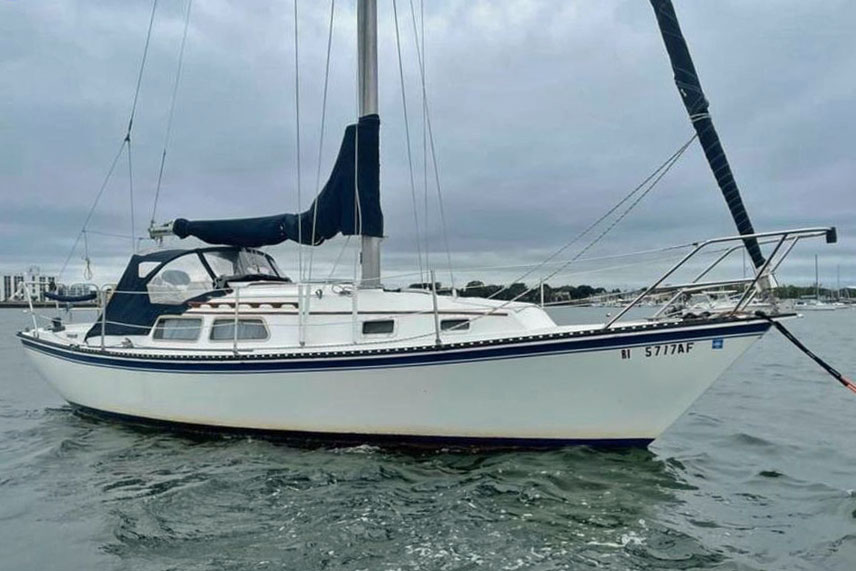
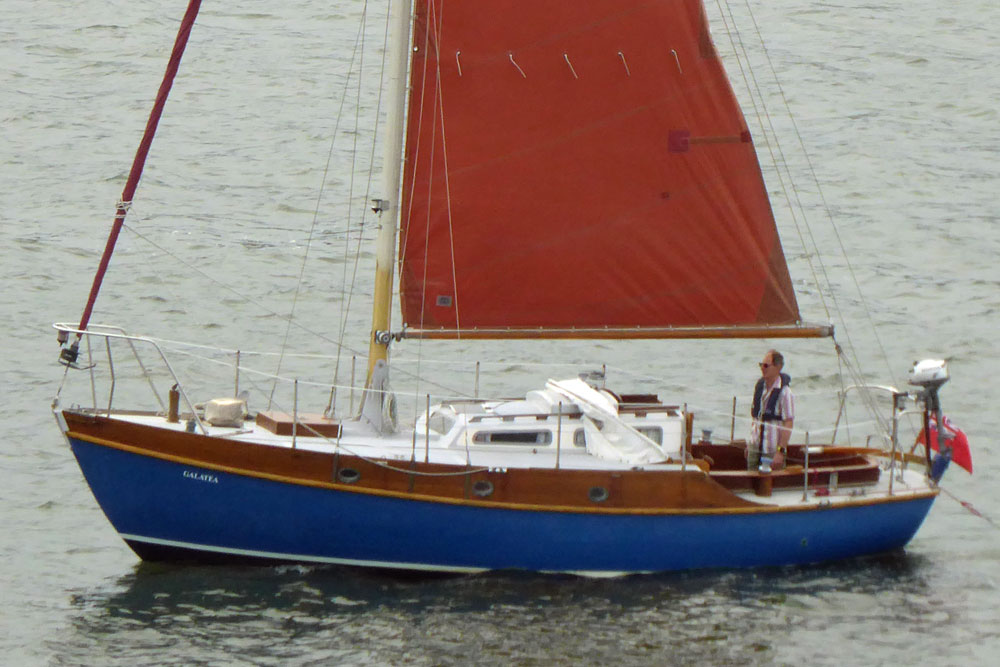
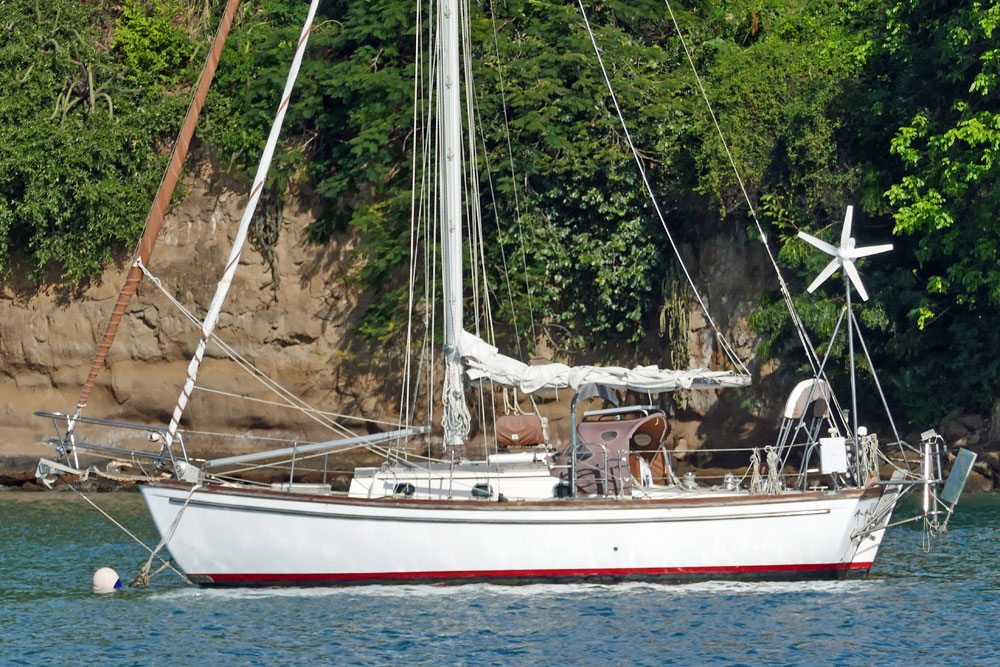
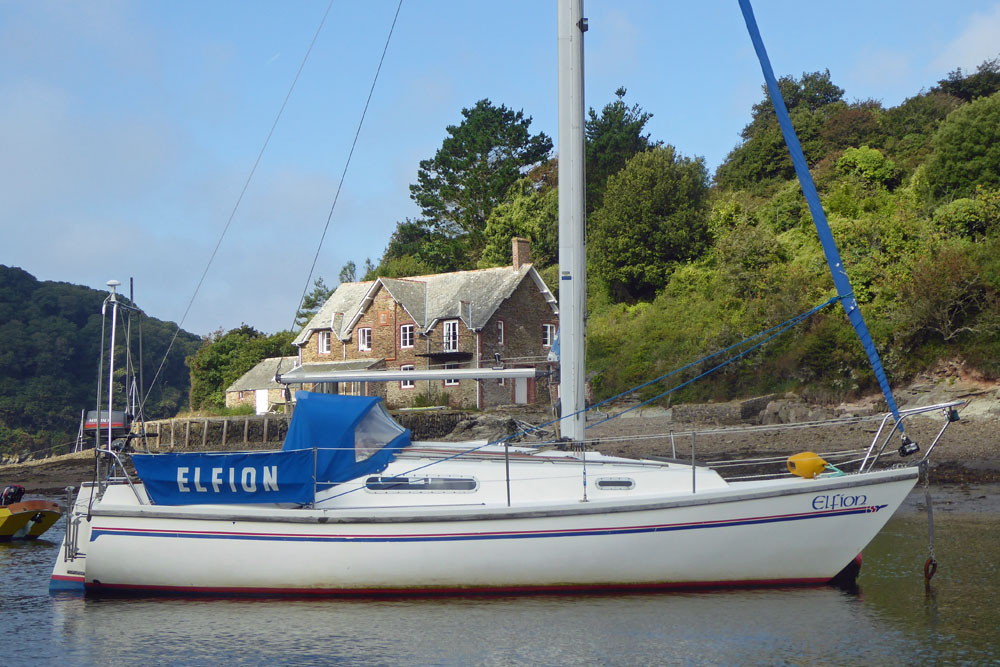
Small cruiser yachts like these are ideal for pottering along the coast but, properly equipped and in the right hands of course, are capable of impressive offshore passages.
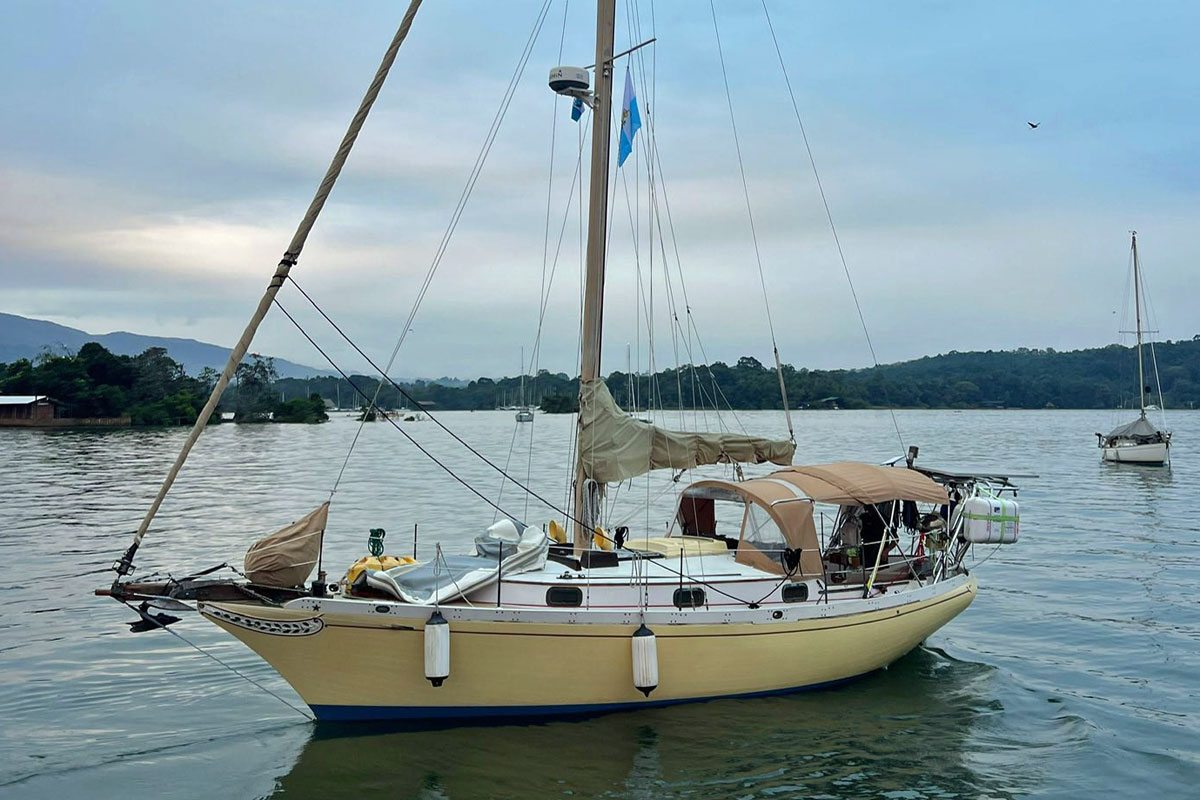
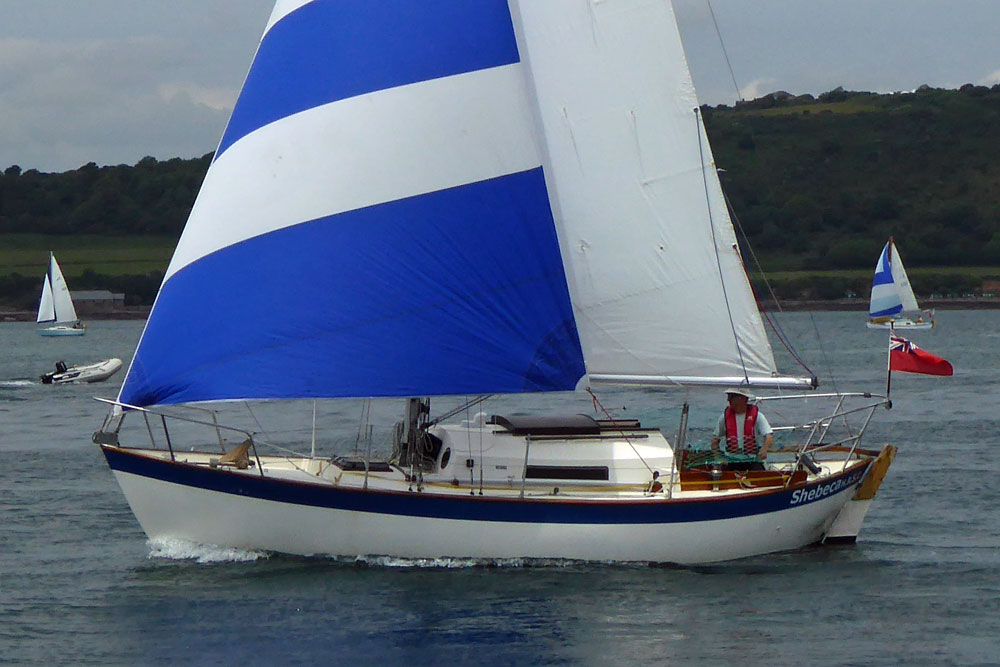 The Victoria 26, a prime example of a small cruiser yacht with big ambitions
Cruiser Yachts Under 30 Feet Long...
One of the biggest attractions of a sub-30-footer is the price. These boats are more affordable to purchase, maintain, and moor than their larger counterparts.
Handling is another major benefit. Smaller yachts are easier to manoeuvre. Whether you're sailing solo, with a partner, or new to cruising, a smaller boat is less intimidating. Docking, navigating tight channels, and even dealing with rough weather becomes more manageable.
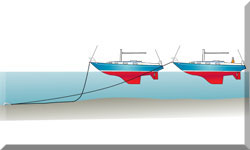
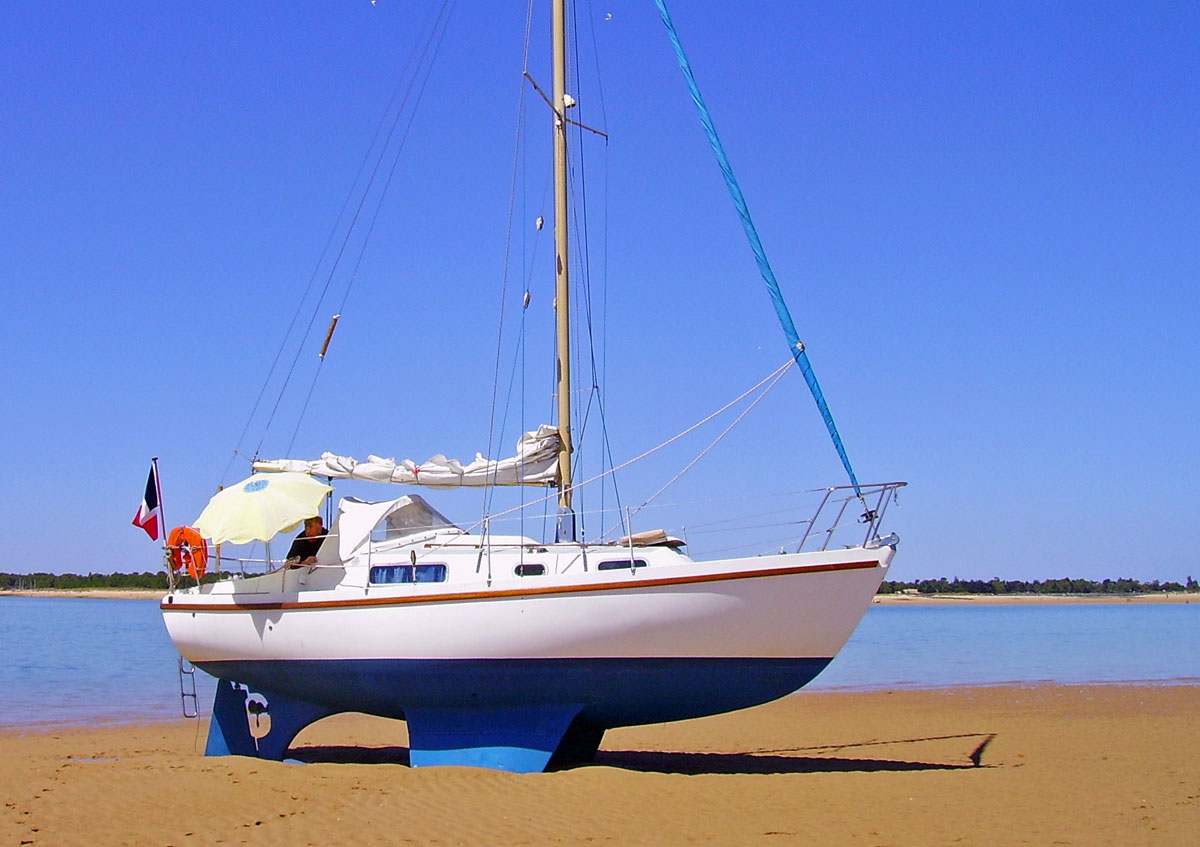
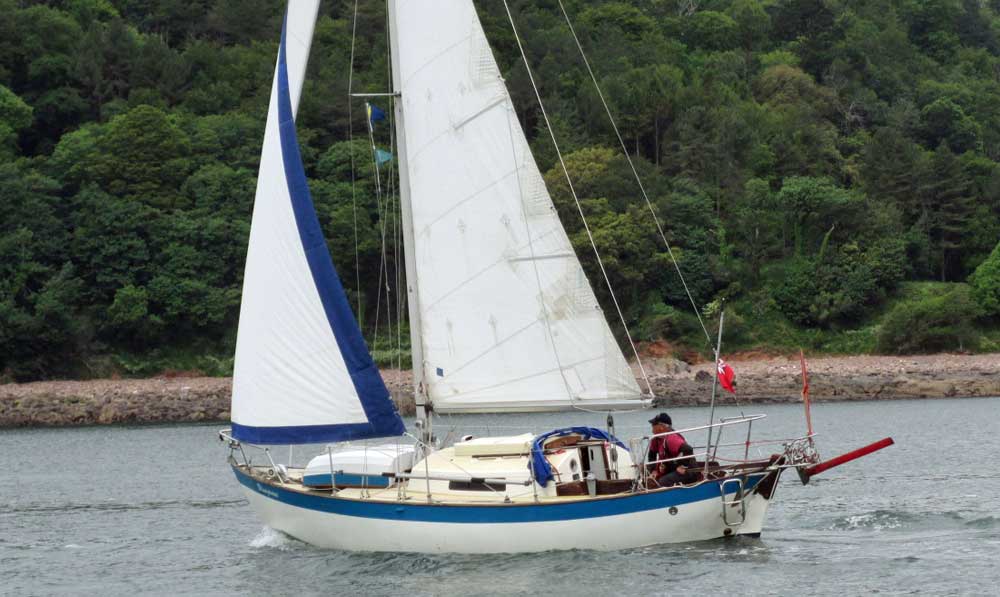
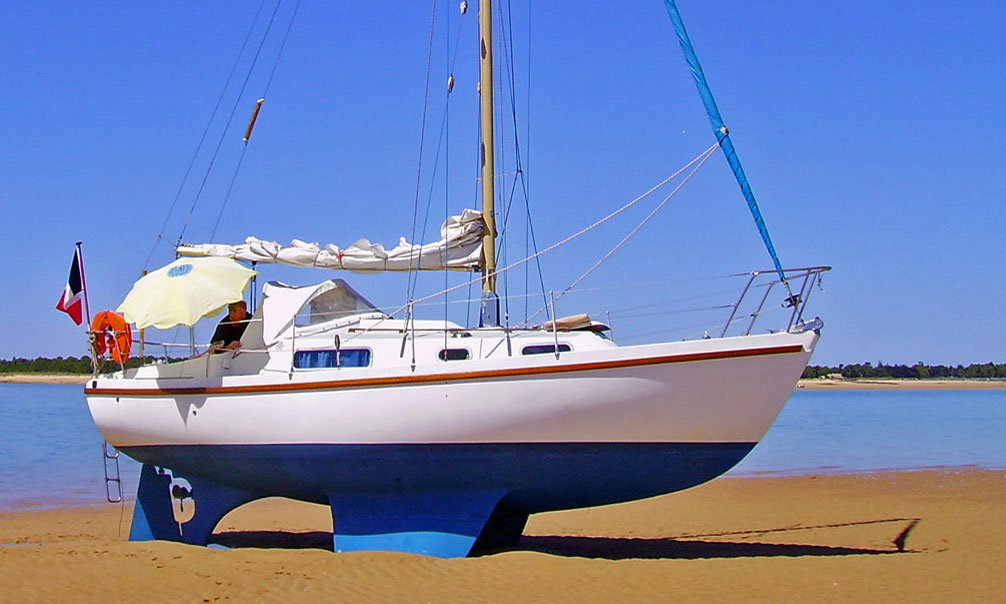 The shallow draft Macwester 27 can dry out safely on its bilge keels
Imagine exploring hidden coves and shallow bays that larger boats can't reach. That's the charm of a shallow draft. Many under-30-footers have a shallow draft, allowing you to anchor closer to shore and explore inland waterways, uncovering secret spots off the beaten path.
Fuel efficiency is another advantage. Smaller boats mean smaller engines, which consume less fuel. This is good news for your wallet and the environment.
Of course, it's important to be realistic about the limitations of smaller yachts. Space is limited, making extended cruises or trips with a larger crew a bit cramped. You'll need to think carefully about what you bring aboard and how to organize your gear.
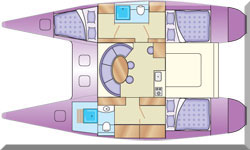
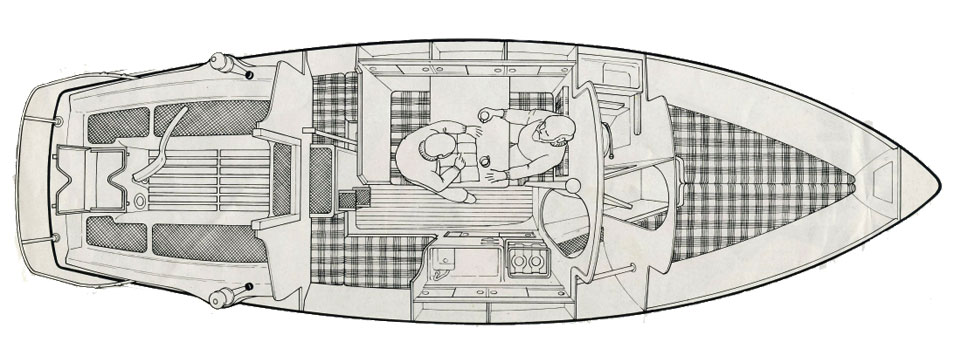 Typical accommodation layout in a 26-footer from the 1970's. This one's a Westerly Centaur.
Comfort can also be a trade-off. Headroom is likely to be tight, the galley will be basic, the shower might be of the solar bag in the cockpit type and the head could well be of the 'bucket-and-chuck-it' variety. While some smaller boats are cleverly designed to maximize space, they certainly won't offer the same level of comfort as larger yachts.
Seakeeping is another consideration. Smaller boats are more susceptible to motion in rough seas, which can be tiring and lead to seasickness. Careful weather planning is essential.
Don't expect to break any speed records. Slower speeds are a natural consequence of a shorter waterline. While you can still make good progress, you won't zip across the water like you would in a larger boat.
Finally, range can be a limiting factor. Smaller tanks for water and fuel, combined with less storage for provisions, can restrict how far you can go and how long you can stay out. Careful planning of resupply points is key for longer journeys.
So, is a sub-30-foot cruising yacht right for you? It depends on your priorities. If you value affordability, ease of handling, and access to shallow waters, and you're willing to embrace a minimalist approach to cruising, then a smaller yacht can be a fantastic choice. But if you crave more space, comfort, and speed, or plan on sailing with a larger crew, you might be better off with a larger vessel.
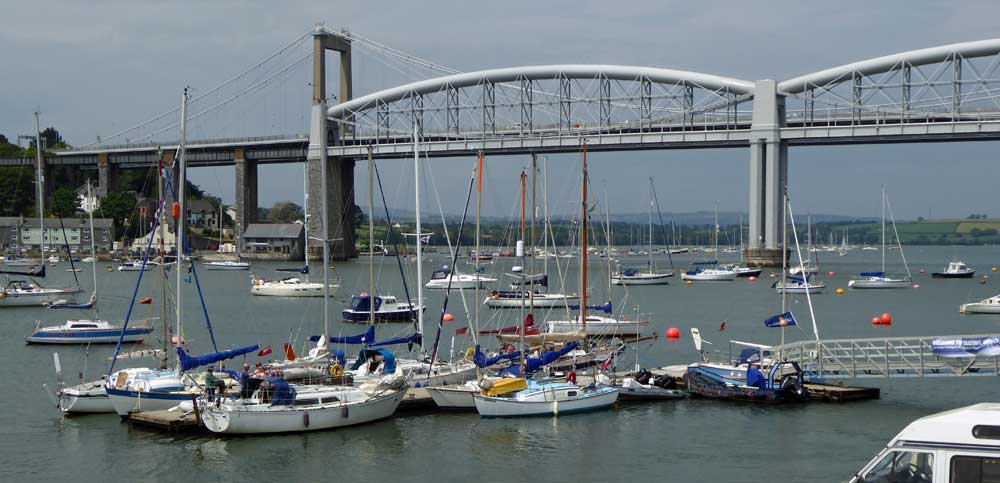 Competitors for the Jester Challenge assemble at the Tamar River Sailing Club
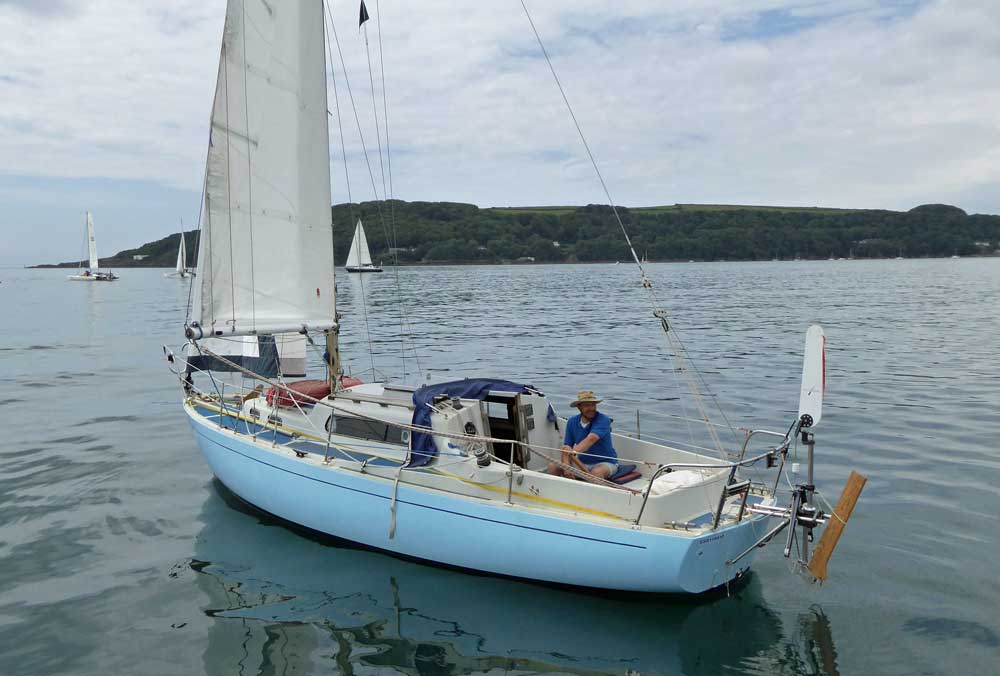
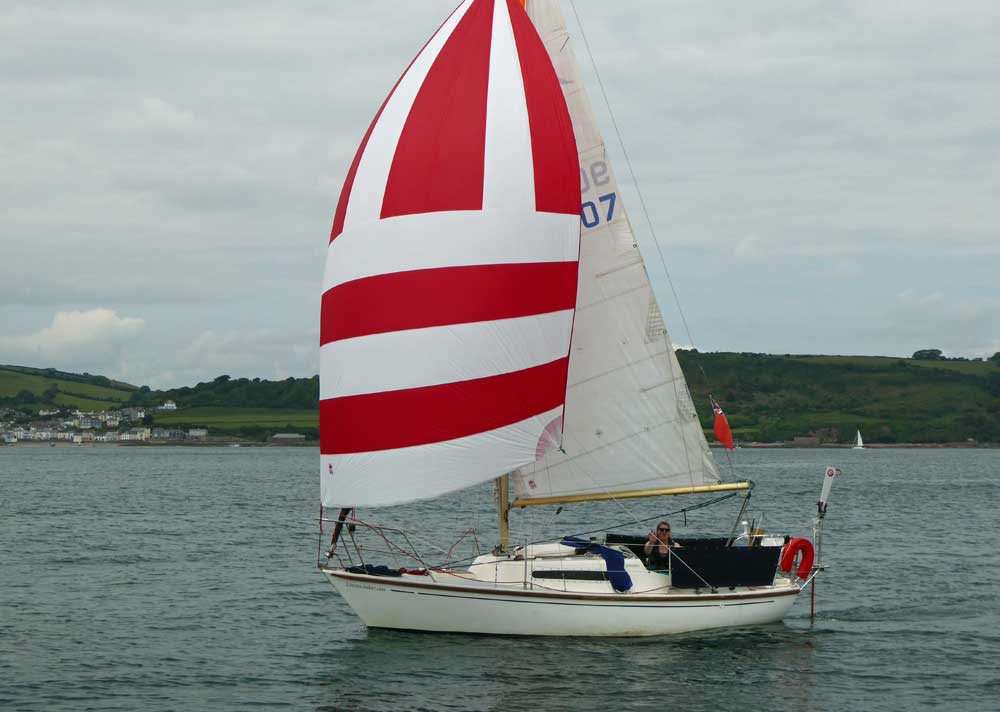
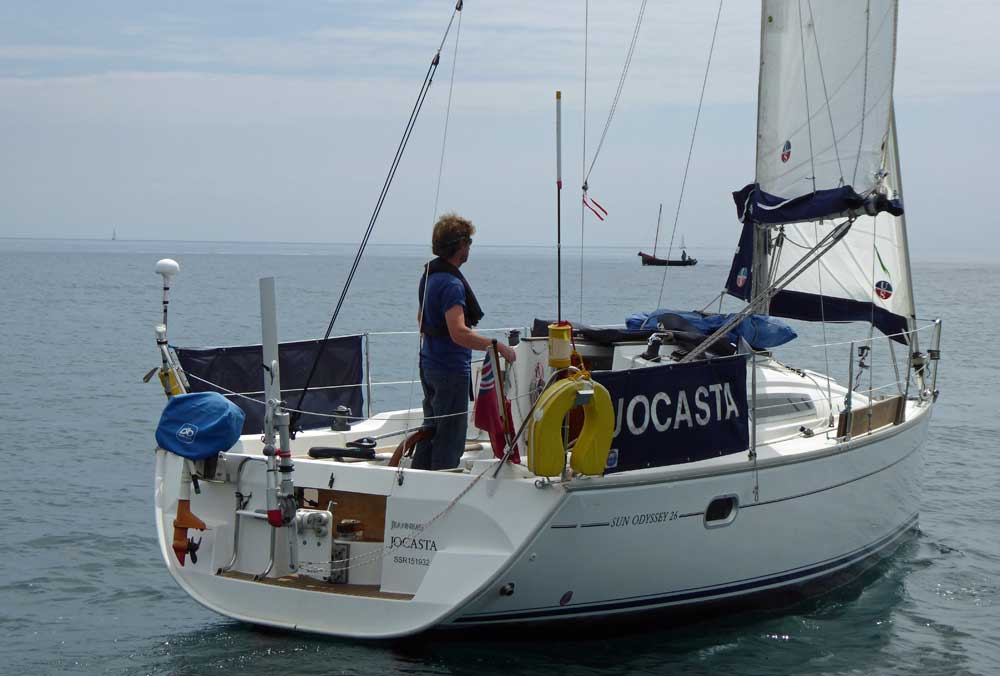
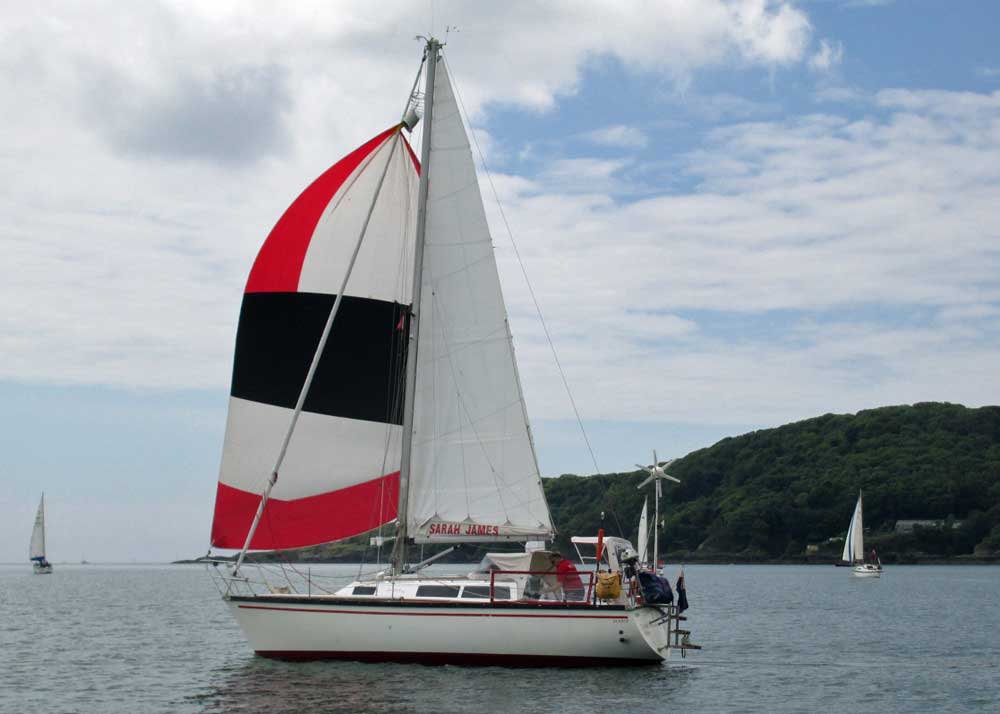
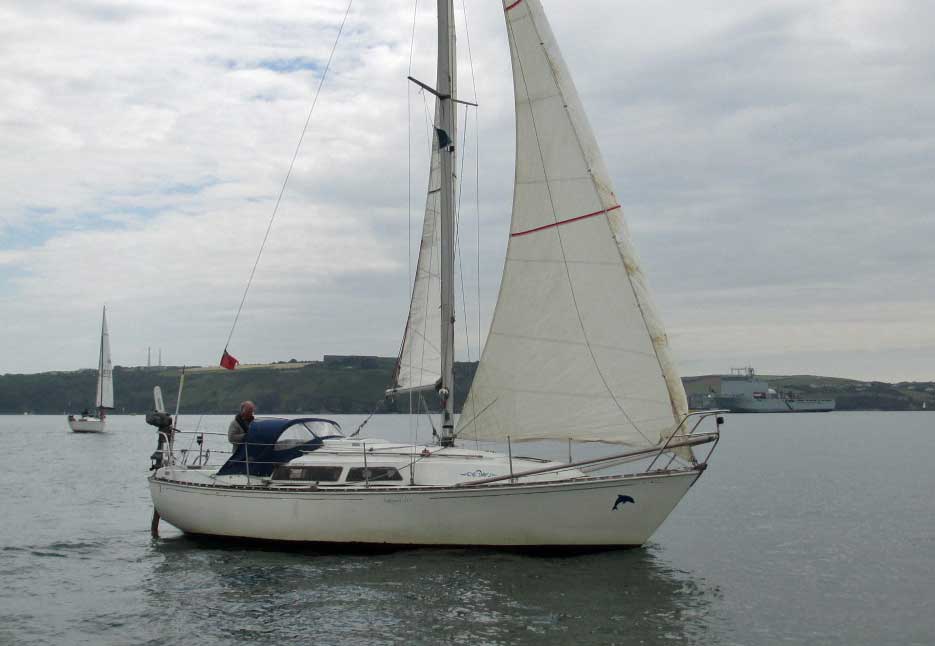
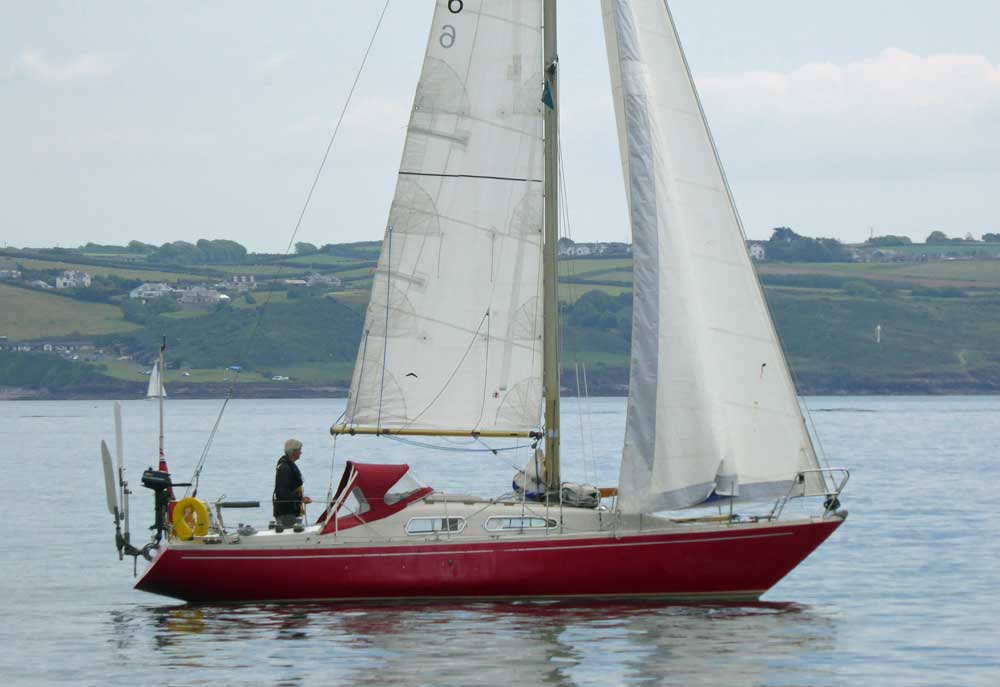
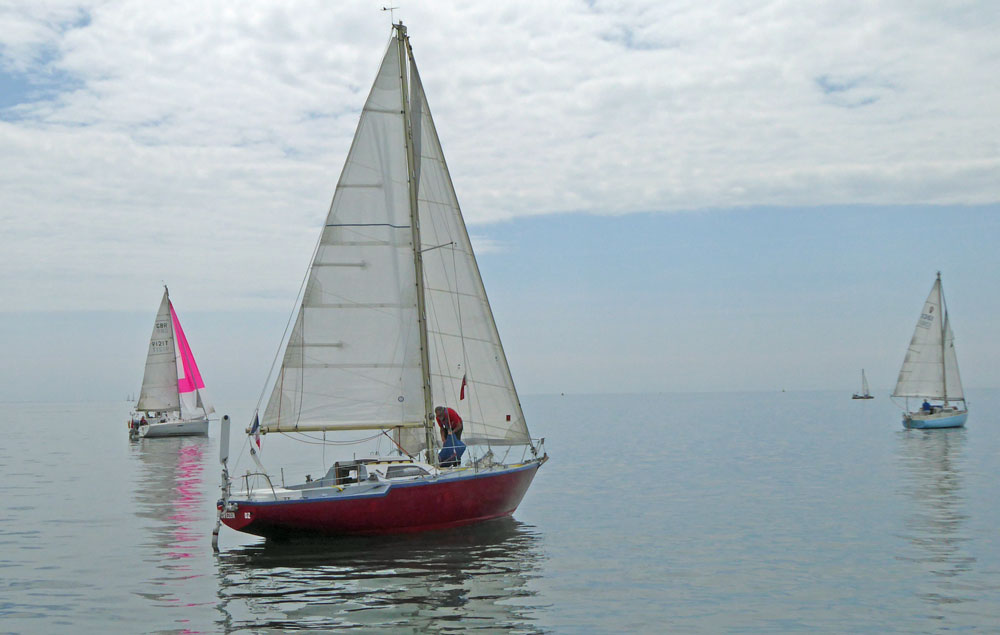
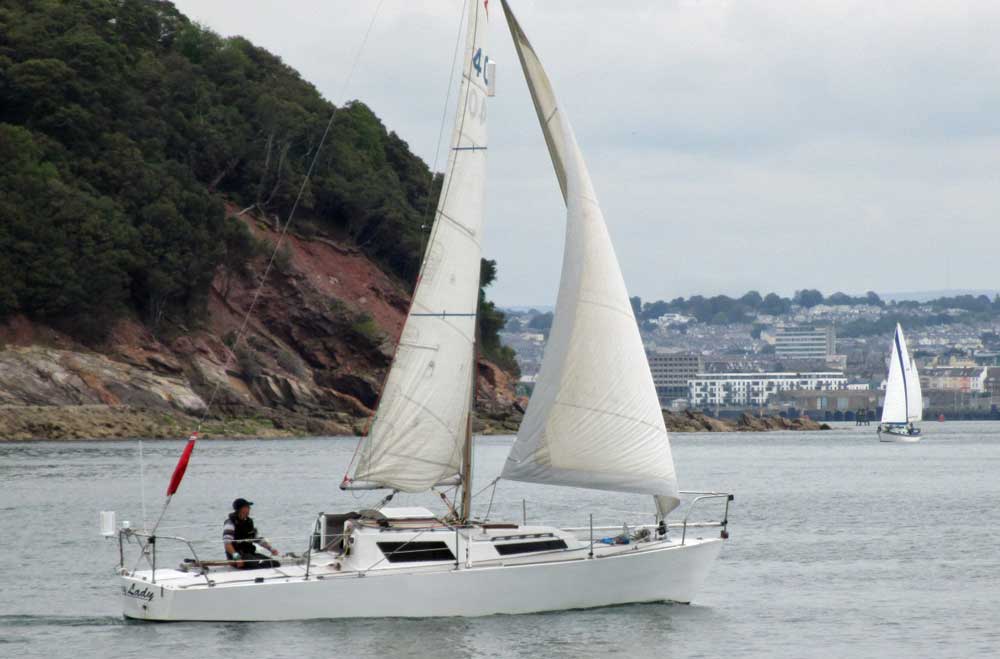
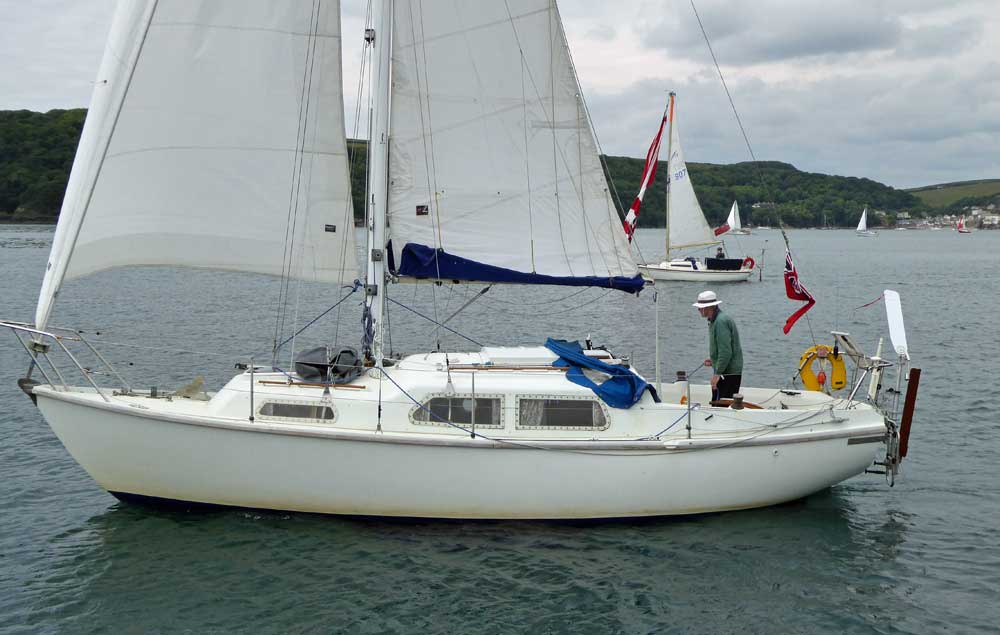
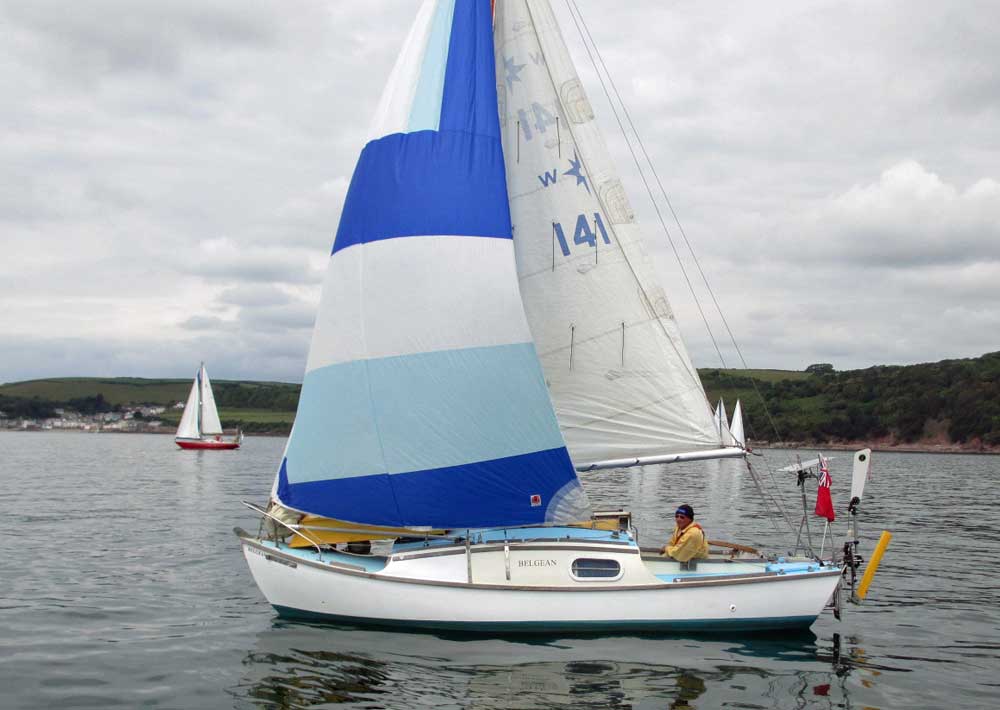
Many of the cruiser yachts in this category would be ideal for the single-handed Jester Challenge - in fact many have done just that, and those that have are marked with an asterisk*.
It's not at all surprising that almost all of the Jester Challenge cruiser yachts sport a windvane self-steering system...
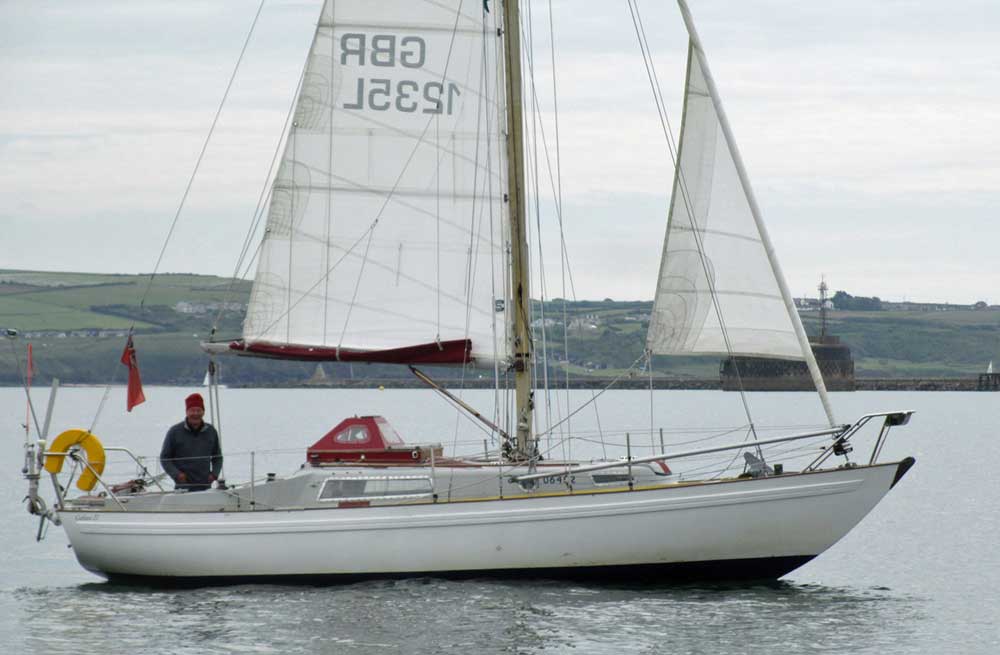
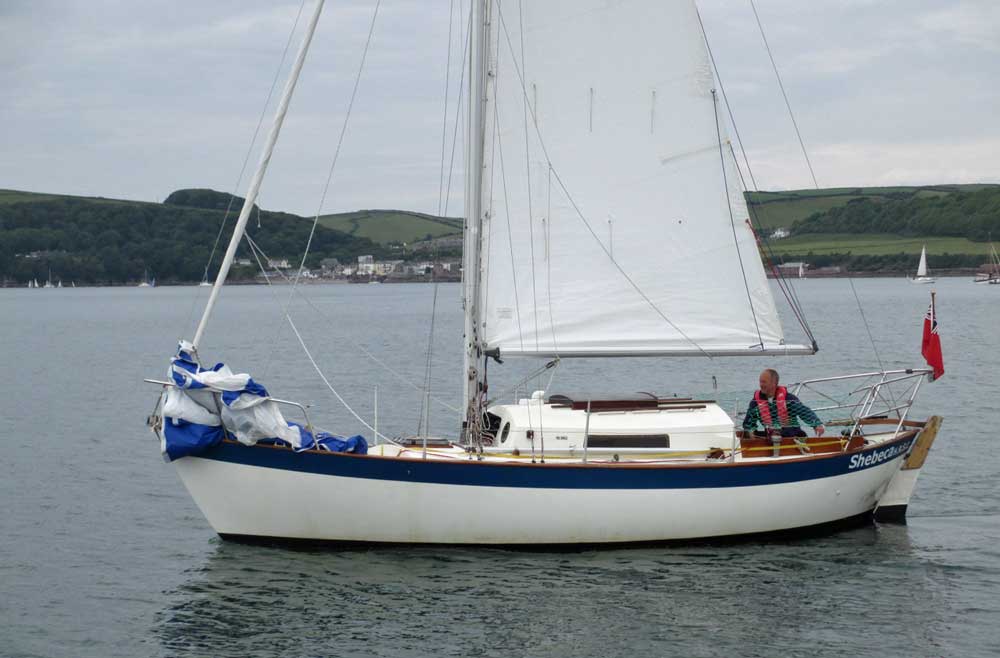
Behind each of the following images there's a lot more information, including:
- Dimensions & Specifications;
- Design Ratios;
- A summary analysis of the boat's predicted sailing characteristics in terms of performance, stiffness, heaviness, comfort in a seaway and resistance to capsize.
To see it, just click on the image...
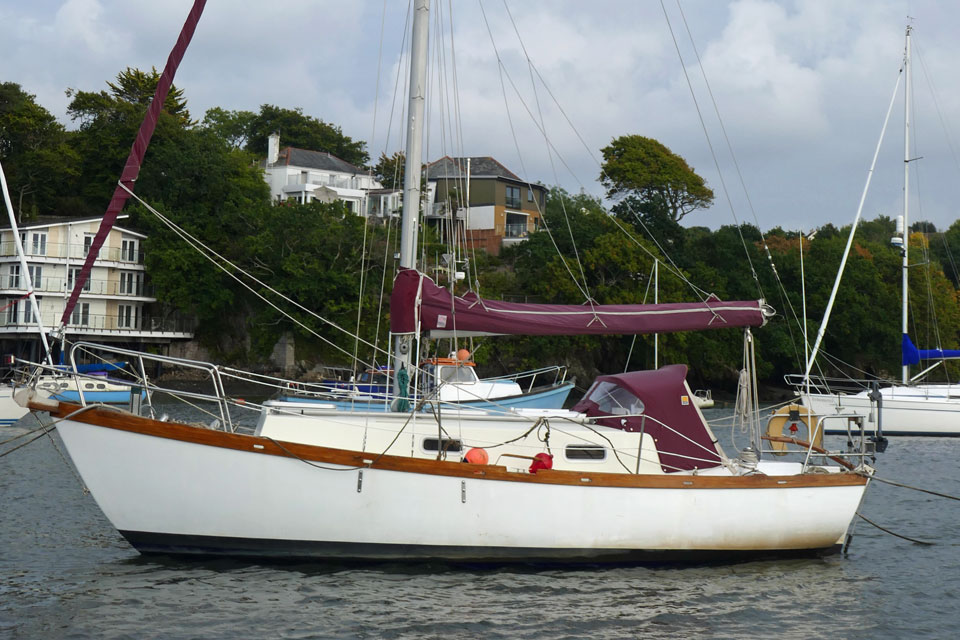
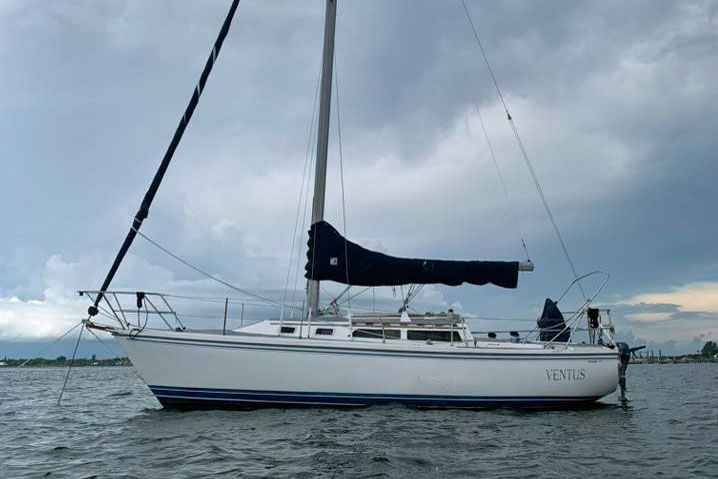
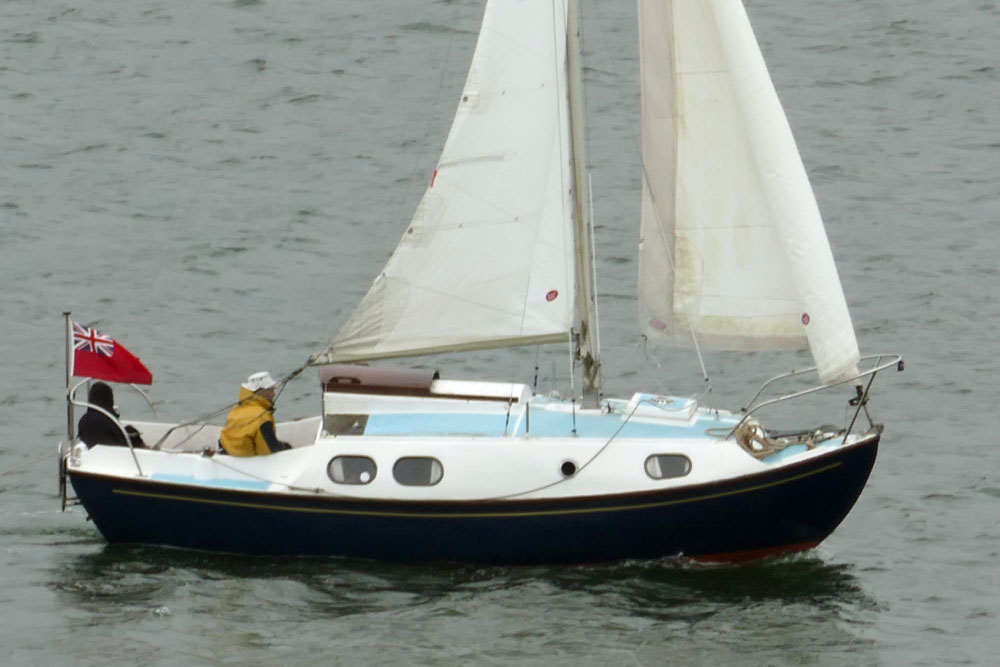
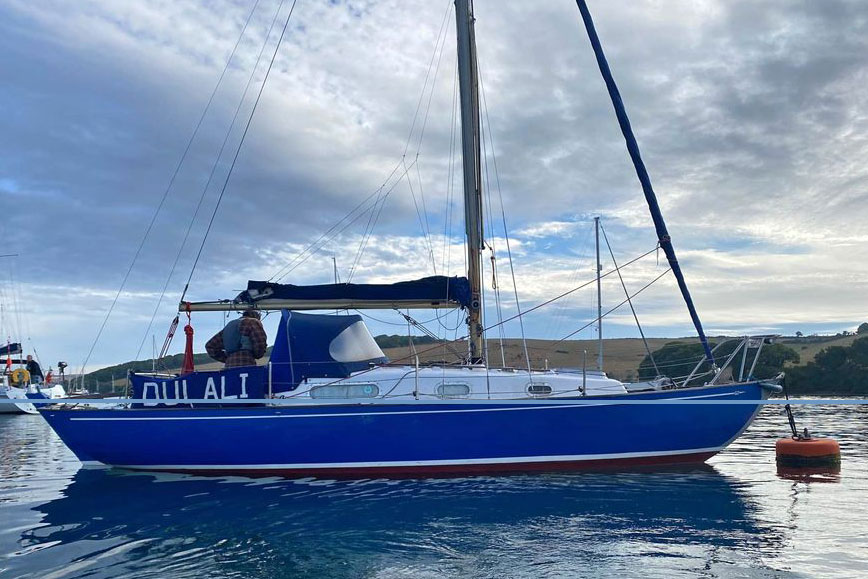
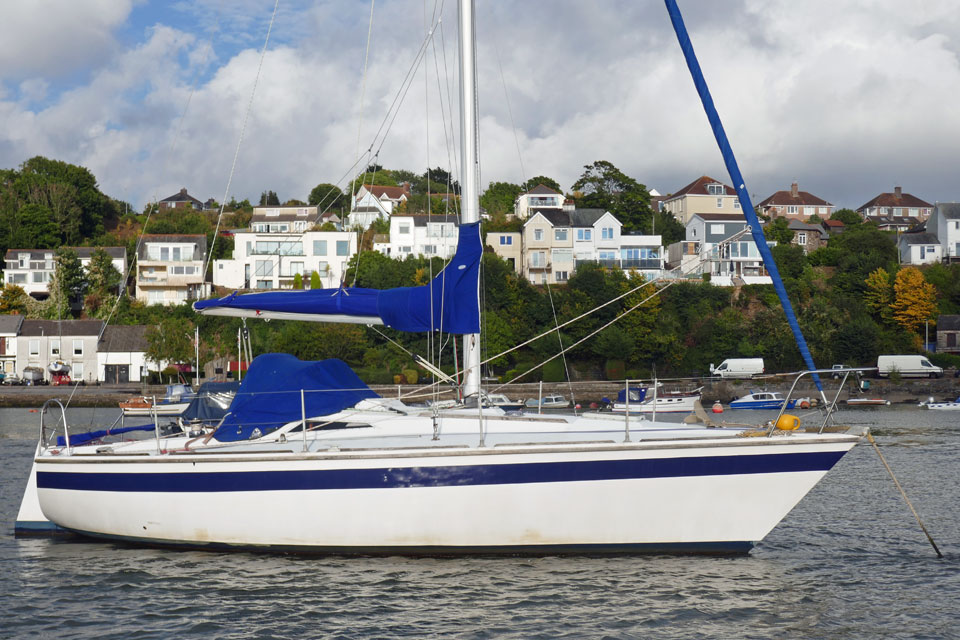
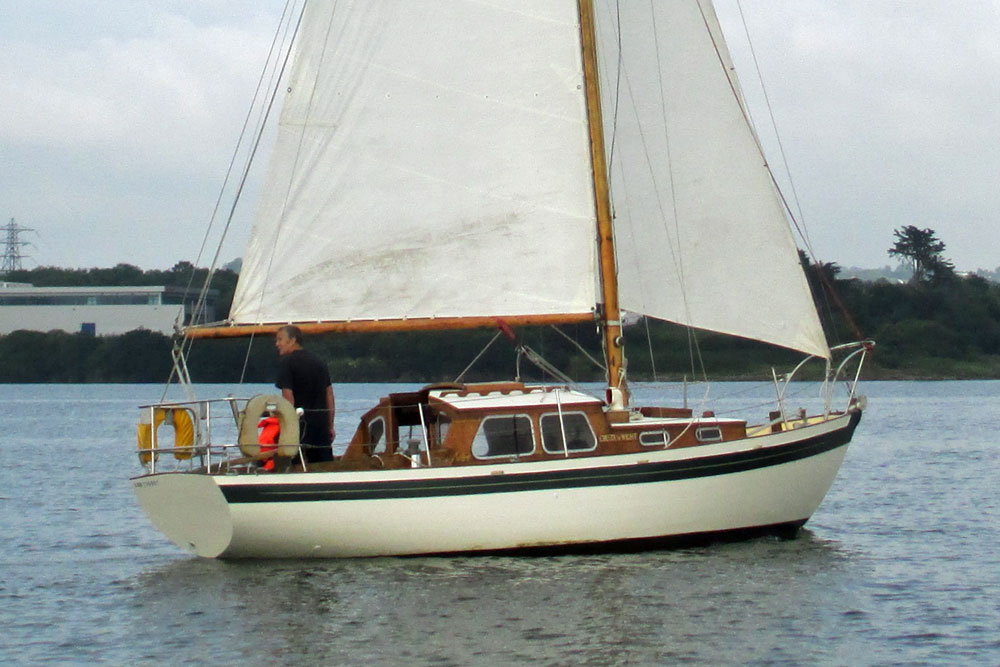
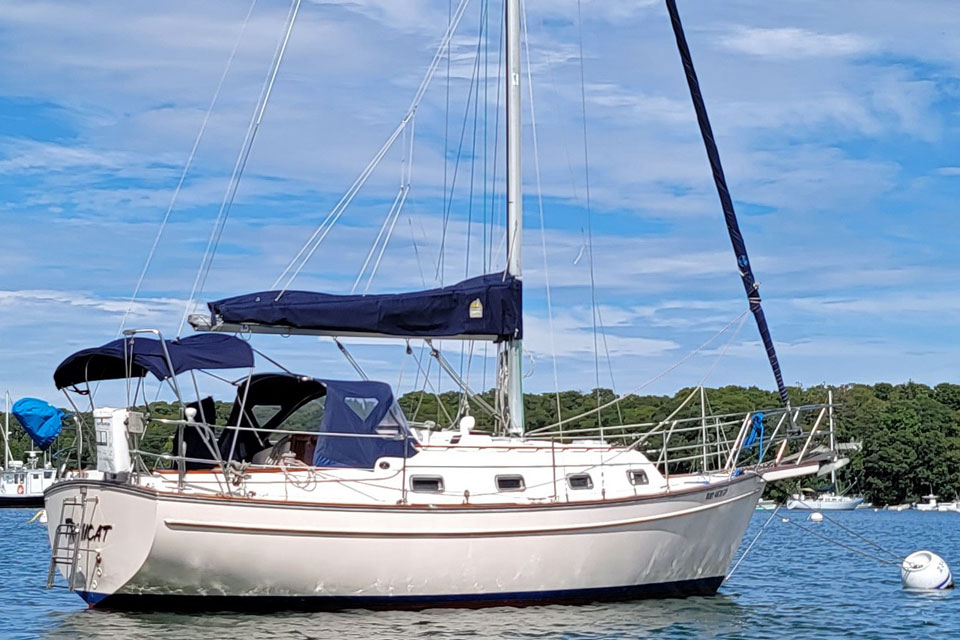
Westerly Cirrus 22
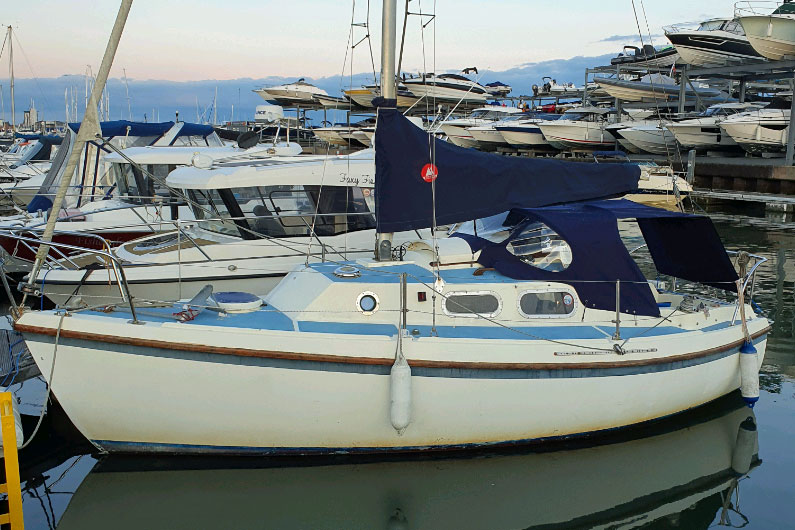

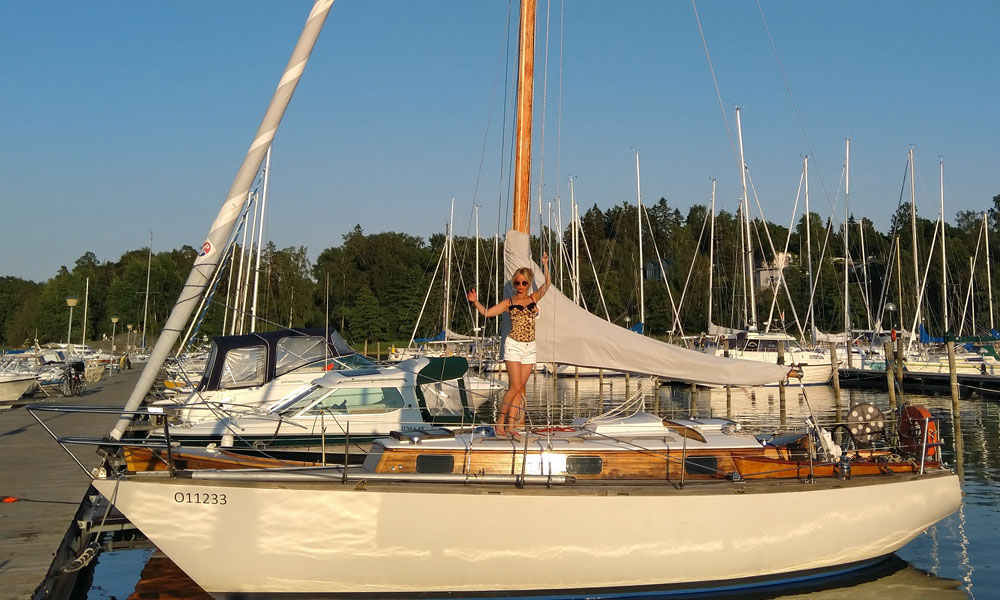
Beneteau First 28
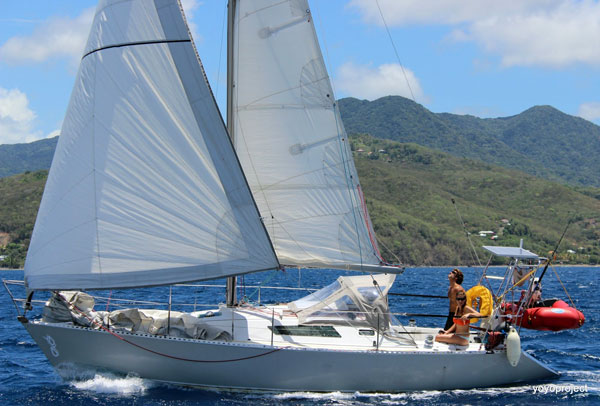
Hunter 28.5
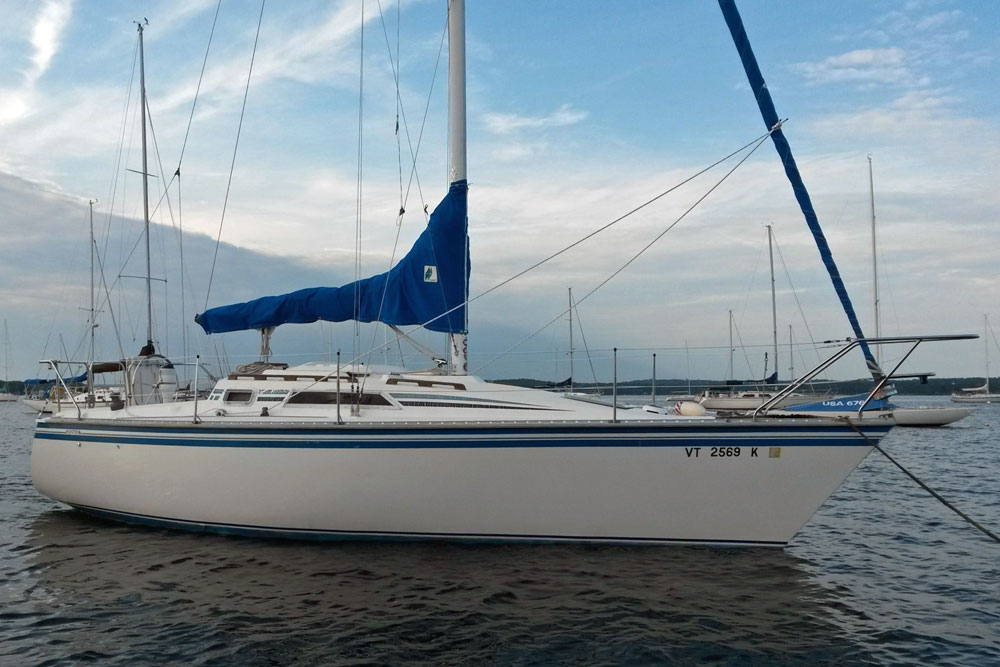 The Hunter 28.5, designed by Hunter Design and built in the USA by Hunter Marine
More Specs & Key Performance Indicators...
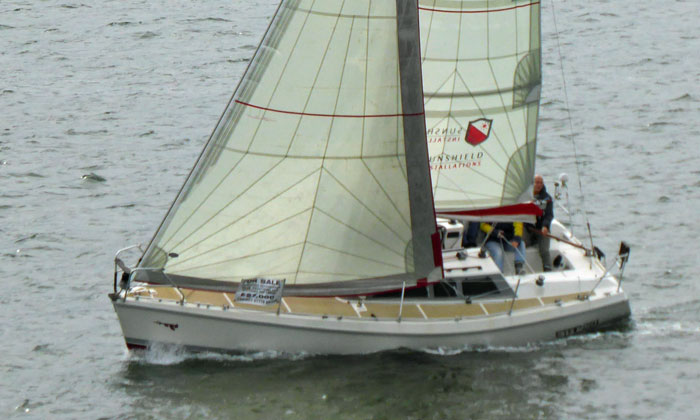
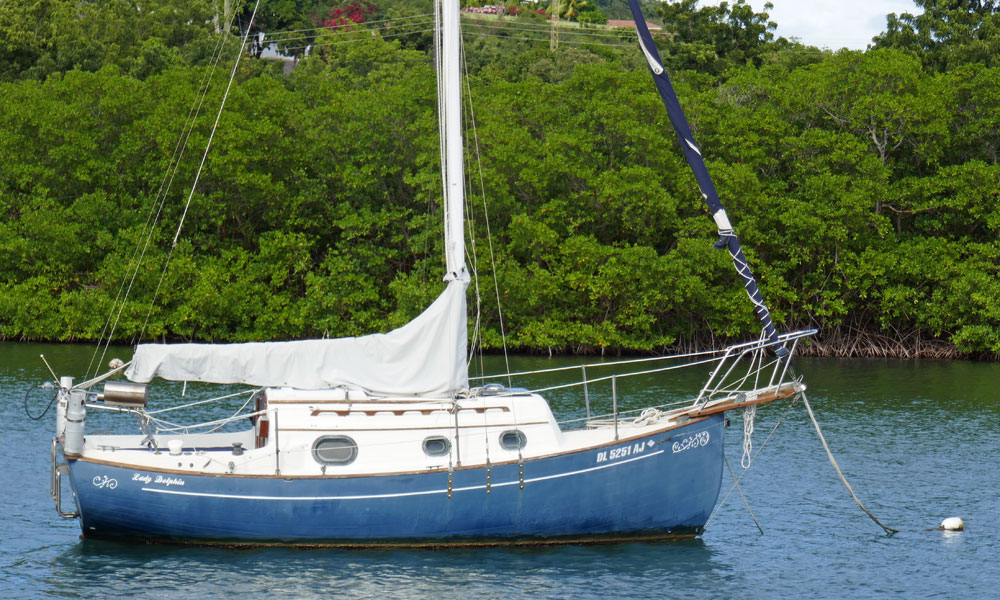
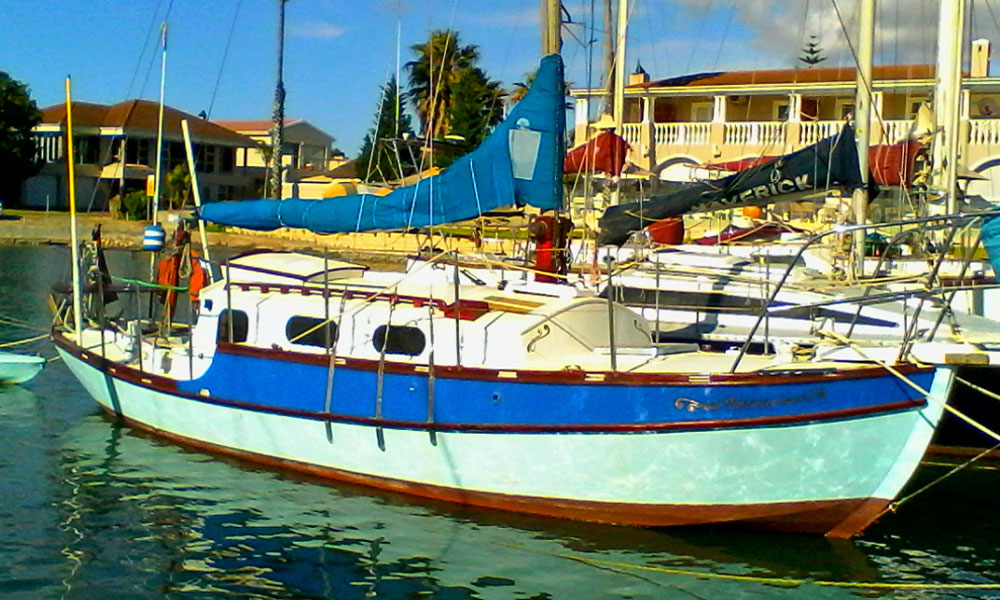
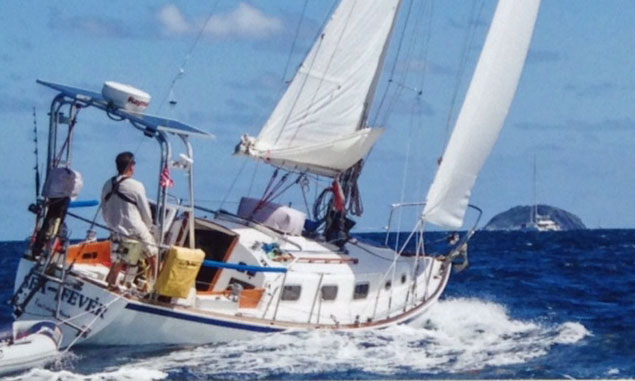
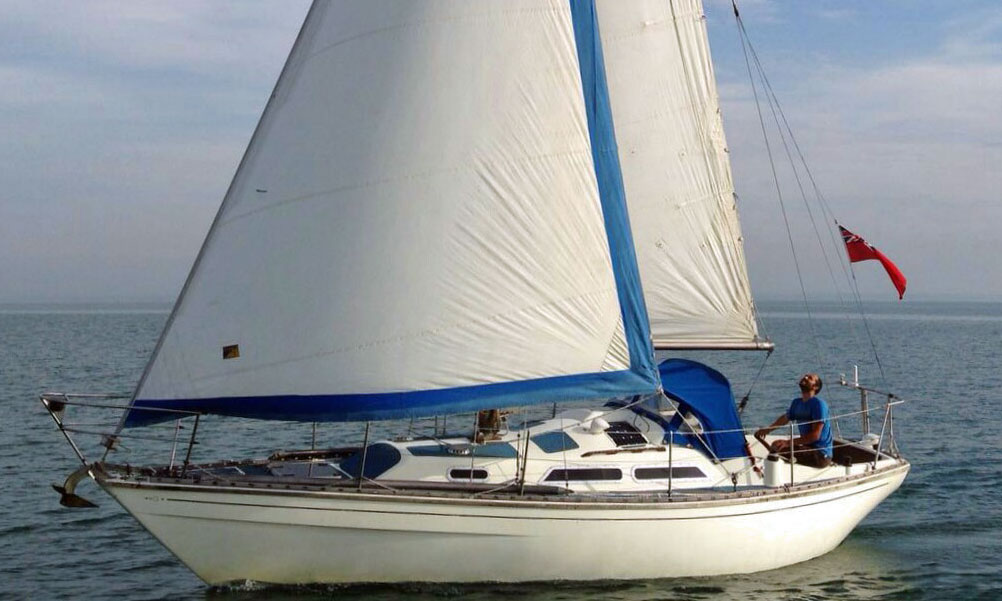
Great Dane 28
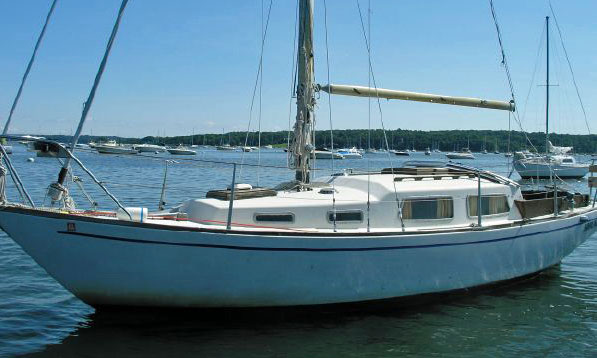
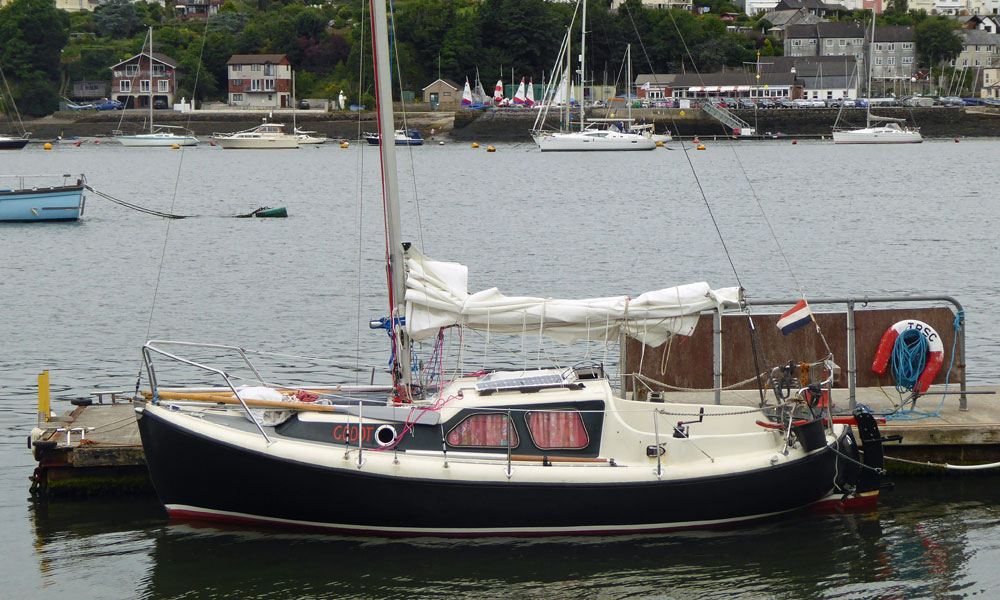
Ericson 28.5
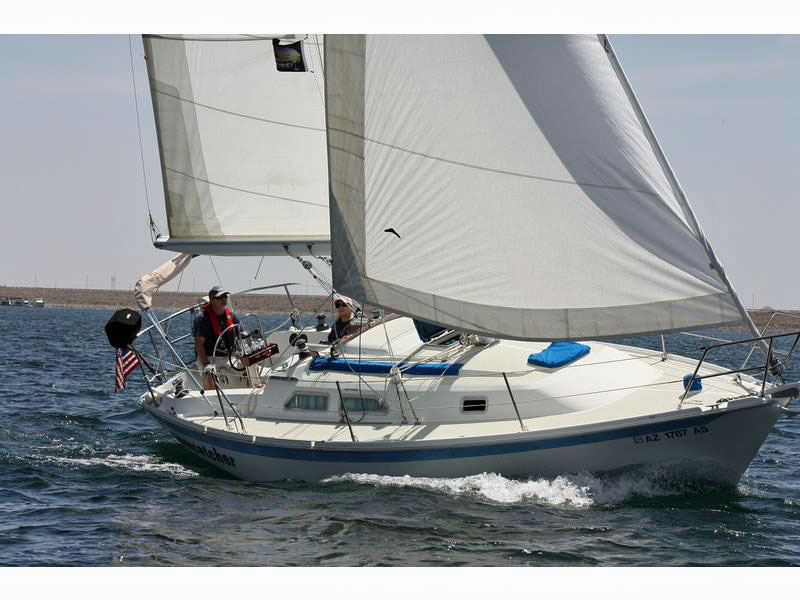
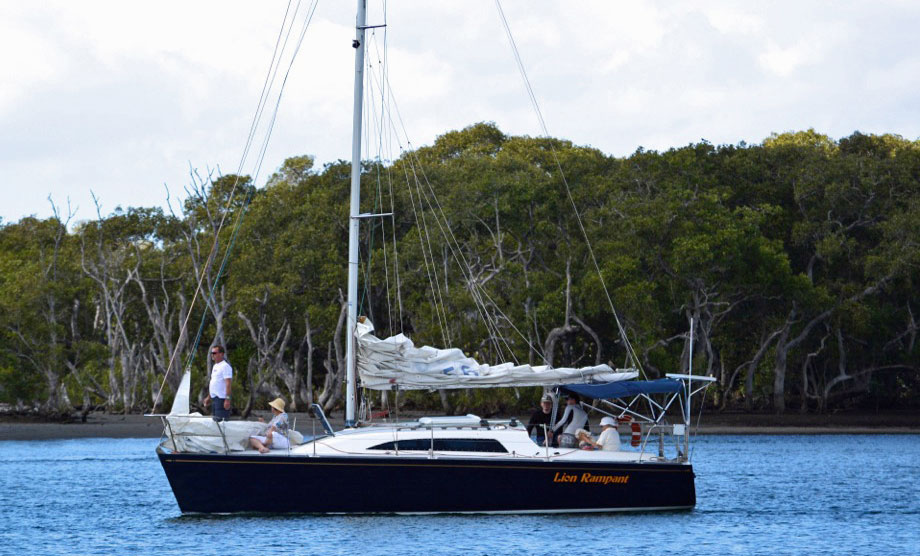
Macwester 27
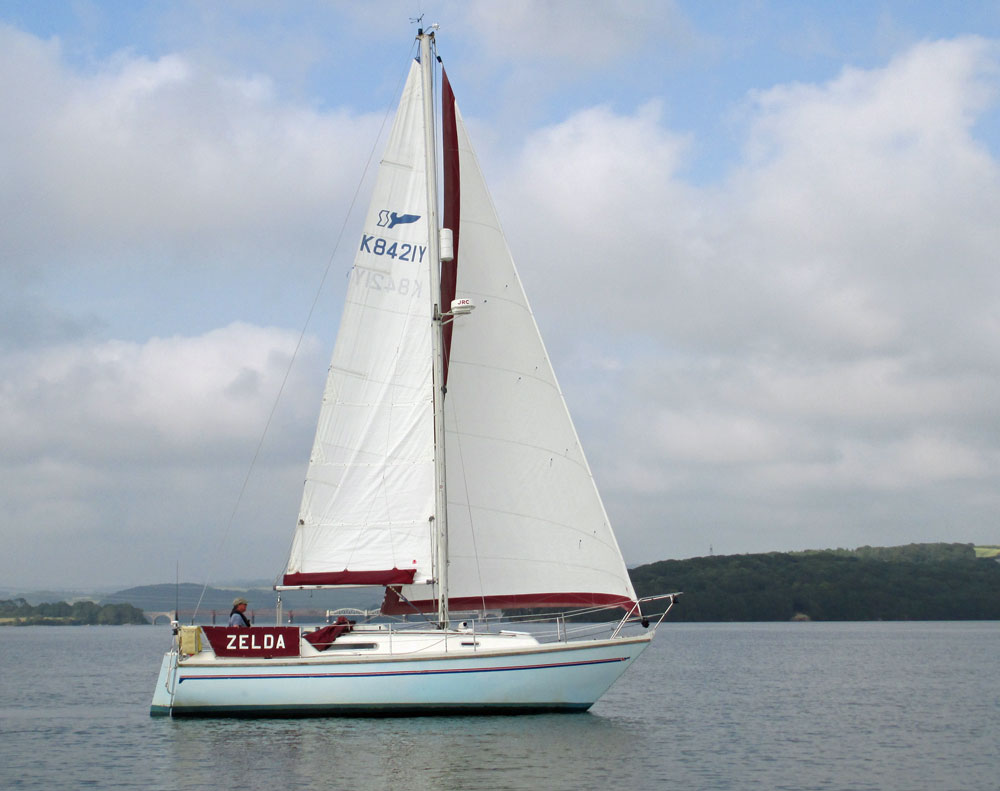
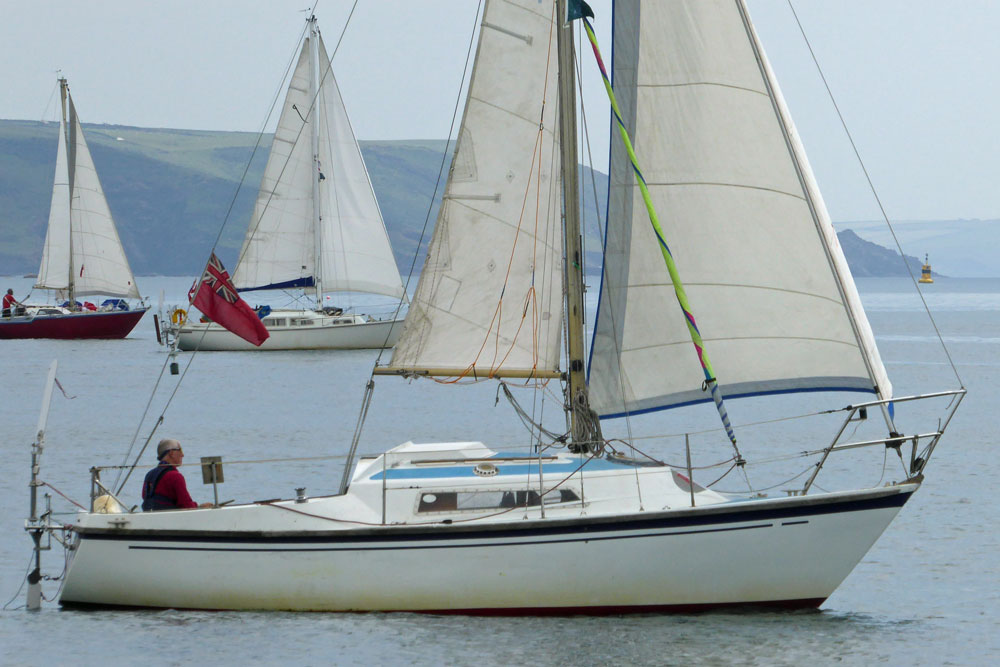
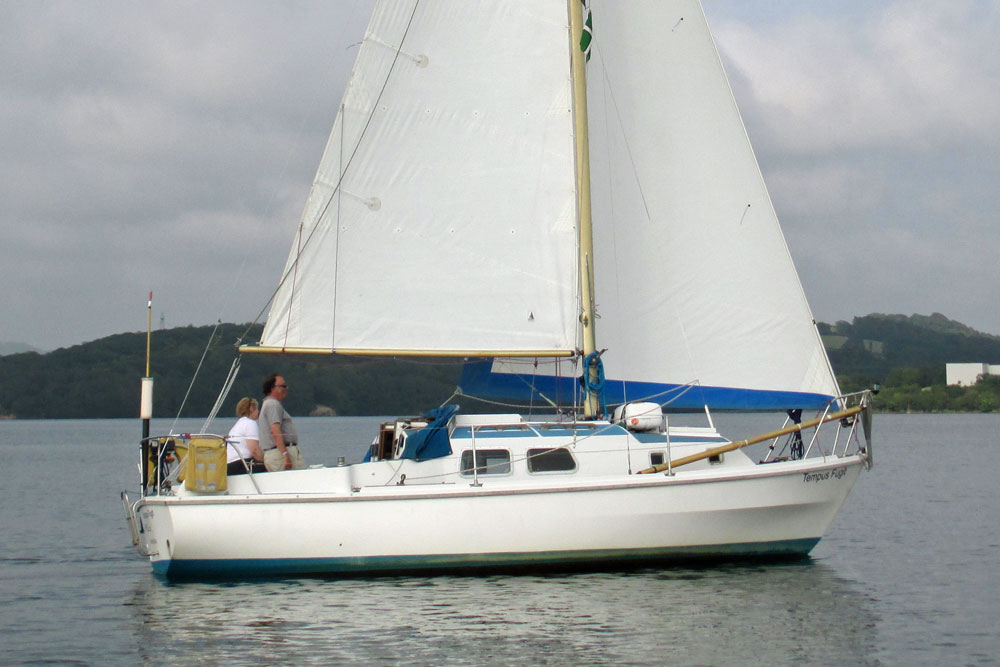
Albin Vega 27*
Recent Articles


-
Discovery 55 Sailboat Review: Specs, Ratios & Bluewater Capability
Oct 14, 26 06:04 AM
Detailed Discovery 55 buyer’s guide covering specs, ratios, sailing behaviour, problem areas and bluewater suitability. -
Should I Buy a Boat? Four Questions to Answer Before You Commit
Oct 02, 26 04:40 AM
Thinking "Should I buy a boat?" This guide helps you decide, with key considerations from cost & maintenance to your personal sailing aspirations. -
Offshore Internet with Starlink: Hardware, Plans, and Setup Guidance
Oct 01, 26 01:15 PM
A clear, practical guide to choosing the right Starlink hardware and plan for offshore cruising. Learn what to buy, how to install it, and how to manage power afloat.