- Home
- Cruising Yachts 40' to 45'
- Bavaria 40 Sailboat
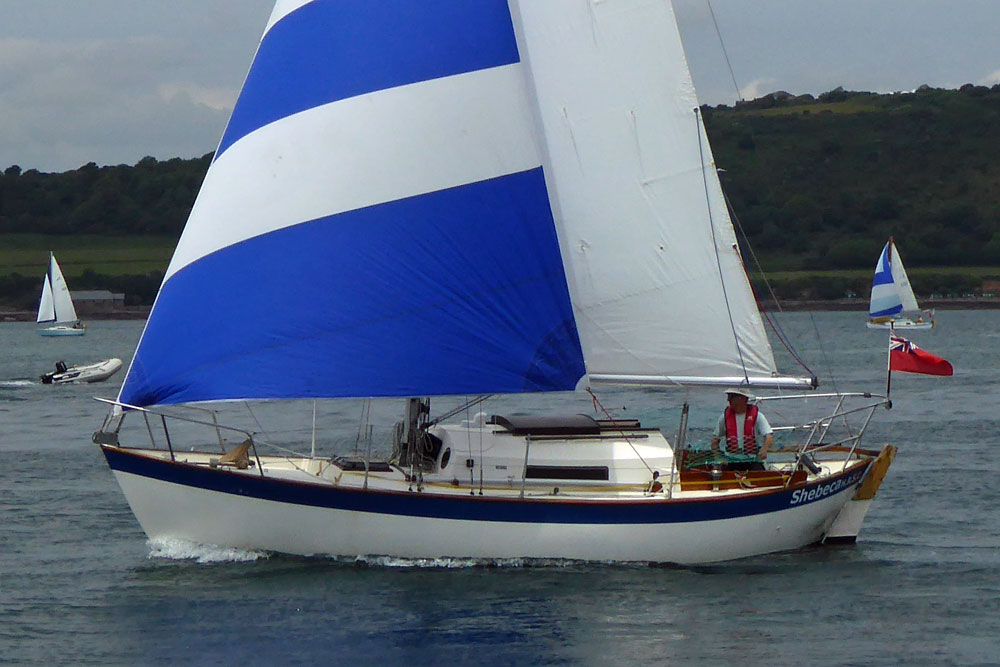
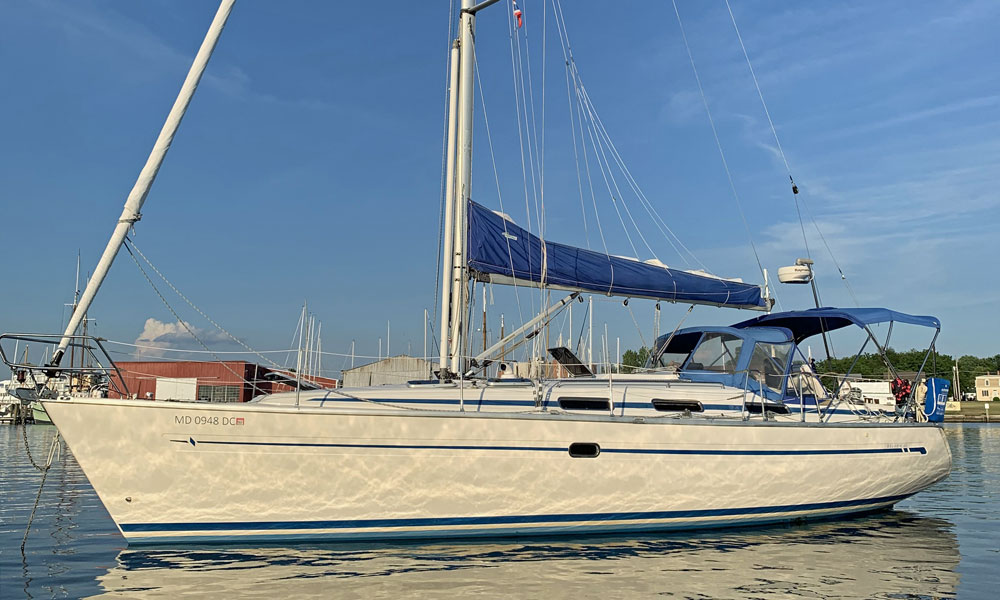
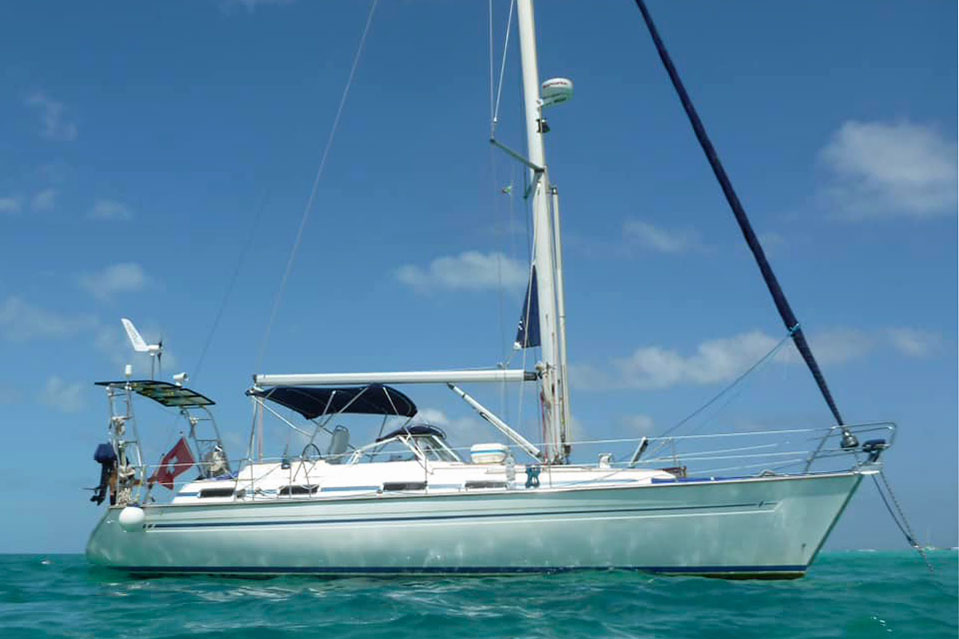
The Bavaria 40 Sailboat
Specs, Performance Analysis & Cruising Characteristics
Key Takeaways: The Bavaria 40 is a widely respected, high-volume production cruiser designed for coastal and mid-range offshore sailing. It strikes a pragmatic balance between interior volume, ease of handling, and predictable performance. While it lacks the sheer speed of dedicated racers or the heavy-weather capability of specialist bluewater steel boats, it offers a secure, comfortable platform for families and couples. Buyers should prioritise inspecting the condition of the saildrive seal, keel bolt integrity, and potential moisture in balsa-cored decks. It is an excellent choice for those seeking a modern, reliable vessel for extended summer cruising and occasional longer passages, provided maintenance is kept current.
 The Bavaria 40 Sailboat
Table of Contents
- The Bavaria 40 at a Glance
- Design & Construction
- Published Specification: The Bavaria 40 Blueprint
- Sail Areas & Rig Dimensions
- Performance Analysis: Understanding the Design Ratios
- How the Bavaria 40 Sails
- Bluewater Capability: Strengths & Trade-Offs
- Configuration, Layout & Cruising Characteristics
- Who This Boat Is Best For
- The Buyer’s Checklist: Common Problem Areas
- Summing Up
- Frequently Asked Questions (FAQs)
The Bavaria 40 at a Glance
- Type: Masthead/Fractional Sloop
- Designer: J&J Design / Farr Yacht Design (dependent on model year)
- Builder: Bavaria Yachtbau GmbH
- Production Years: Various iterations from the late 1990s through the 2010s
- Rig: Sloop
- Best for: Family coastal cruising and island hopping
- Strengths: Exceptional interior volume, high-quality joinery, predictable handling, and massive parts availability
- Trade-offs: In-mast furling can hinder sail shape; standard hardware may require upgrades for serious offshore work
Design & Construction
The Bavaria 40 represents the evolution of German high-volume manufacturing. Earlier models were penned by J&J Design, focusing on a balance of volume and coastal performance, while later "Cruiser" iterations incorporated input from Farr Yacht Design to refine the hull shape. The construction philosophy utilises hand-laid GRP with a mix of chopped-strand mat and biaxial fabrics, bonded into an internal grid system designed to manage rig loads efficiently.
Many models feature vacuum-bagged hulls to optimise weight while maintaining rigidity. The deck is typically balsa-cored for stiffness and insulation, meaning prospective owners must be vigilant regarding through-deck fittings. You will often find cabin windows are bonded, which keeps the deck clean but necessitates regular inspection of the sealant integrity. Chainplates are typically robust and integrated into the structural grid, though, as with any boat of this age, they warrant a check for signs of crevice corrosion or movement in the laminate.
A Note on the Bavaria 40 Ocean
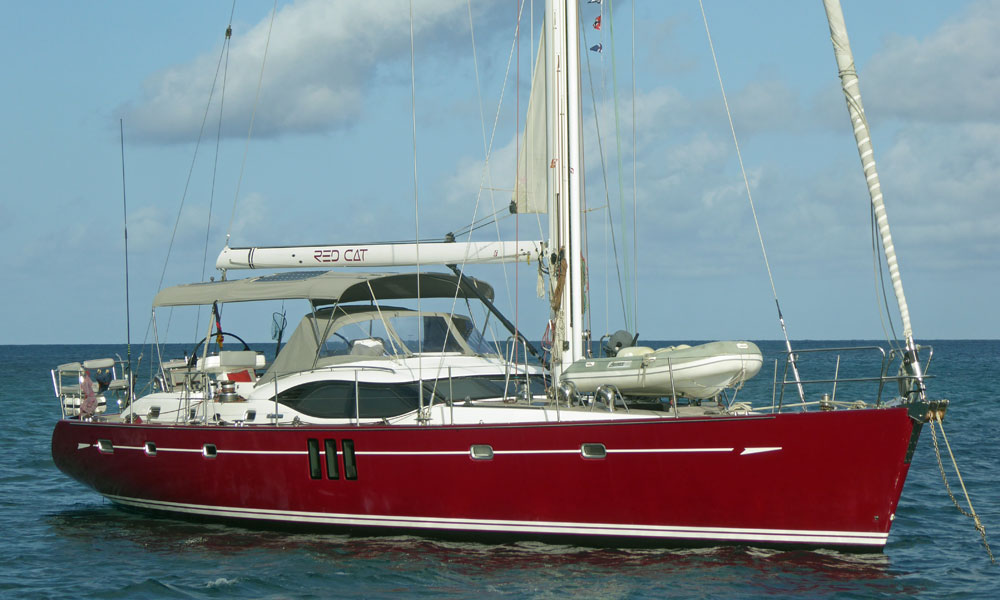
 The centre-cockpit Bavaria Ocean 40
It is important to distinguish the standard aft-cockpit Bavaria 40 from the Bavaria 40 Ocean. The Ocean series features a centre-cockpit configuration. This design choice provides a significantly larger aft owner cabin and a more protected cockpit, making it a favourite for couples planning extended liveaboard time. However, the centre-cockpit layout reduces the depth of the cockpit and alters the deck ergonomics compared to the more open, charter-friendly aft-cockpit layout.
Published Specification: The Bavaria 40 Blueprint
| Feature | Value |
|---|---|
| LOA | 40'8" (12.45m) |
| LWL | 35'4" (10.77m) |
| Beam | 13'8" (3.99m) |
| Draft (Min/Max) | 5'5" / 6'7" (1.65m / 2.05m) |
| Displacement | 19,135 lbs (8,680kg) |
| Ballast | 6,130 lbs (2,780kg) |
| Rig Type | Fractional Sloop |
| Hull Material | GRP |
| Production Dates | 1999 & 2013 |
Sail Areas & Rig Dimensions
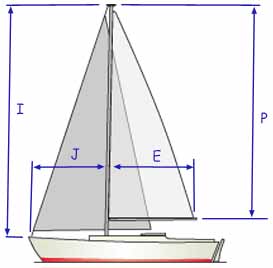 Rig dimensions
The rig is designed for manageable, short-handed sailing. Most models utilise a fractional setup with swept-back spreaders, meaning the jib is relatively small and easy to tack, while the mainsail provides the primary drive.
- I: 51'2" (15.60m)
- J: 14'1" (4.30m)
- P: 48'7" (14.80m)
- E: 16'5" (5.00m)
- Total Sail Area (approx): 882 ft² (82 m²)
Performance Analysis: Understanding the Design Ratios
TEXT
| Ratio | Value | Interpretation |
|---|---|---|
| SA/D | 18.8 | Indicates adequate power for light to moderate winds. |
| D/L | 169 | Suggests a moderate displacement, prioritising comfort. |
| B/D | 32% | Provides sufficient initial stability for coastal work. |
| CSF | 2.0 | Below 2.0 signifies good resistance to capsize for offshore use. |
| Comfort Ratio | 23.7 | Reflects a predictable, steady motion in a seaway. |
For more on this topic, you might want to take a look at Understanding Boat Performance & Design Ratios...
How the Bavaria 40 Sails
Underway, the Bavaria 40 is a predictable, well-mannered cruiser. The helm is balanced, and the boat tracks straight, which is a blessing on long coastal hops. It is not designed for lightning-fast acceleration, but it maintains good average speeds in a wide range of conditions.
Upwind, the boat performs capably, though it benefits from early reefing to keep the hull on its lines. The moderate-displacement hull form ensures the boat carries its momentum well through chop. Downwind, the fractional rig is simple to manage. Short-handed sailing is a real strength here; all lines are led to the cockpit, and the manageable jib size makes tacks effortless.
Bluewater Capability: Strengths & Trade-Offs
While many Bavaria 40s have crossed oceans, they are fundamentally coastal cruisers. They are more than capable of handling offshore passages in good weather and sea states, but they are not built to the same scantlings as heavy-displacement bluewater specialists.
The tankage is generally sufficient for a week or two of coastal cruising, though for serious ocean work, you might want to add supplemental water capacity. The deck ergonomics are excellent, with deep coamings and a secure cockpit, but the interior layout is better suited to calm anchorages than extreme offshore conditions.
Configuration, Layout & Cruising Characteristics
The interior volume is arguably the Bavaria 40's biggest selling point. The joinery is typically mahogany or cherry, creating a warm, inviting atmosphere. The galley is functional and well-positioned for use at sea, and the cabins provide ample headroom, which is a major advantage for taller sailors. Storage is generous, though as with any production boat, it pays to maximise every available void under the berths and behind the settee backs.
Who This Boat Is Best For
Good fit for:
- Couples and families looking for a comfortable, reliable coastal cruiser.
- Sailors who appreciate a light, bright interior and modern layout.
- Owners who want a boat that is easy to handle short-handed.
Less ideal for:
- Purists looking for a dedicated, heavy-weather ocean voyager.
- Racers seeking the absolute edge in performance.
The Buyer’s Checklist: Common Problem Areas
- Saildrive Seal: The rubber gasket requires replacement every 7 to 10 years. Check the service history thoroughly.
- Keel Bolts: Examine the bilge for signs of rust staining or moisture around the keel root.
- Deck Coring: Check for soft spots, particularly around stanchions, hatches, and the mast step.
- Standing Rigging: If the rig is original, budget for a complete replacement.
- Holding Tank: These are notorious for developing unpleasant odours or blockages if not maintained.
Could this be your ideal cruising boat?
It may well be, but before going any further, it might be worth taking a look at my eBook 'How to Avoid Buying the Wrong Sailboat'...
Summing Up
The Bavaria 40 remains a highly competitive contender on the used market because it resists the urge to be extreme. It offers the space of a modern apartment with a hull shape that can handle genuine offshore conditions with composure. While it is not the fastest boat in the marina, it offers a pragmatic, high-value middle ground that makes it ideal for the vast majority of cruising sailors. By focusing your inspection on the critical mechanical and structural areas, you are likely to find a vessel that provides many years of dependable service.
This article was written by Dick McClary, RYA Yachtmaster and author of the RYA publications 'Offshore Sailing' and 'Fishing Afloat', member of The Yachting Journalists Association (YJA), and erstwhile member of the Ocean Cruising Club (OCC).
Frequently Asked Questions (FAQs)
1. Is the Bavaria 40 suitable for solo sailing?
1. Is the Bavaria 40 suitable for solo sailing?
Yes, the layout and rig are well-suited for solo operation, provided the owner maintains the furling systems and leads lines correctly back to the cockpit.
2. What is the difference between the Bavaria 40 and the Bavaria 40 Ocean?
2. What is the difference between the Bavaria 40 and the Bavaria 40 Ocean?
The standard Bavaria 40 has an aft-cockpit layout designed for maximum volume and accessibility. The Bavaria 40 Ocean features a centre-cockpit design, which provides a more protected helm and a significantly larger, more private aft owner cabin, albeit with a slightly different deck profile and cockpit ergonomics.
3. How does the Bavaria 40 perform in light winds?
3. How does the Bavaria 40 perform in light winds?
With an SA/D ratio of approximately 18.8, it is reasonably powered. While not a light-air flyer, it moves well enough, especially if equipped with a light-weather sail like a cruising chute.
4. Are the interior finishes durable?
4. Are the interior finishes durable?
The mahogany joinery is generally robust and ages well, often proving more durable and easier to repair than the synthetic veneers found in many modern boats.
5. What should I budget for a refit on an older model?
5. What should I budget for a refit on an older model?
This depends on the boat's condition, but you should always set aside a contingency fund for standing rigging, a saildrive seal replacement, and potentially updating the nav electronics.
Recent Articles


-
Should I Buy a Boat? Four Questions to Answer Before You Commit
Oct 02, 26 04:40 AM
Thinking "Should I buy a boat?" This guide helps you decide, with key considerations from cost & maintenance to your personal sailing aspirations. -
Offshore Internet with Starlink: Hardware, Plans, and Setup Guidance
Oct 01, 26 01:15 PM
A clear, practical guide to choosing the right Starlink hardware and plan for offshore cruising. Learn what to buy, how to install it, and how to manage power afloat. -
Offshore Liferaft Guide: Choosing, Stowing and Servicing One
Oct 01, 26 06:28 AM
Choosing an offshore liferaft? Learn what ISO 9650 Group A means, where to stow it, how often to service it and what to pack in the grab bag.