- Home
- Yacht Construction & Cat A Standards
- Bonded Hull Windows
Bonded Hull Windows: Maintenance & Emergency Repairs
Key Takeaways
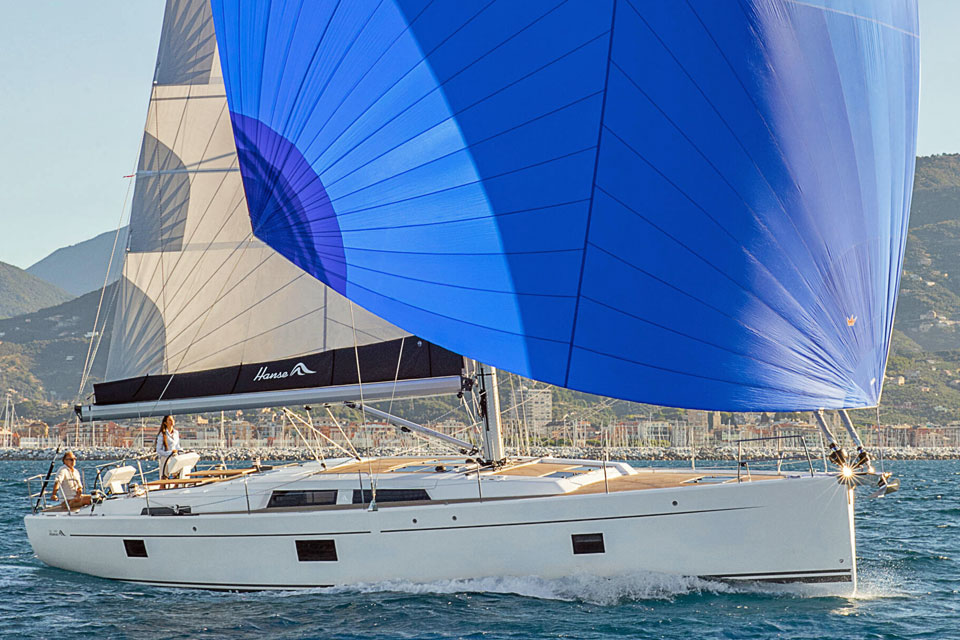
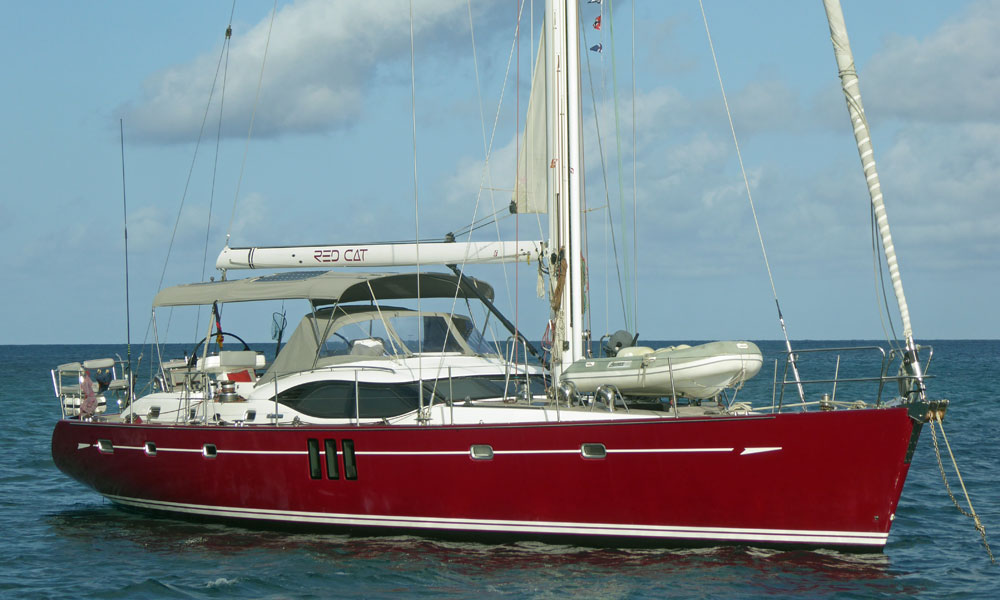
Bonded hull windows are a defining feature of modern yacht design, replacing the small, mechanical portlights of the past with expansive, sleek glazing. While these windows are engineered to be a structural part of the hull, their integrity relies entirely on the chemical bond between the acrylic or glass and the GRP laminate. For the offshore sailor, the primary challenge is not the strength of the pane itself, but the degradation of the adhesive due to UV exposure and hull flex. Maintaining these seals and knowing how to execute a mechanical emergency repair is vital for anyone taking a modern "Cat A" vessel into blue water, where a failed bond could lead to significant water ingress.
Table of Contents
- The Science of the Bond: Why Modern Windows Don't Use Bolts
- Identifying Early Signs of Seal Degradation
- UV Protection: The Role of Ceramic Frit & Covers
- Routine Maintenance: Cleaning & Inspection Protocols
- Emergency Mid-Ocean Repairs: Creating a Mechanical Seal
- Permanent Re-bonding: The Professional Approach
- Summing Up
- Frequently Asked Questions
The Science of the Bond: Why Modern Windows Don't Use Bolts
In traditional yacht construction, portlights were small and held in place by a metal frame through-bolted to the cabin side. Modern yacht construction & Cat A standards have shifted toward "flush glazing." These windows are bonded using high-performance structural adhesives, typically silane-terminated polymers (STP) or specialised polyurethanes.
The advantage of bonding is that it distributes the load evenly across the entire circumference of the window. Mechanical fasteners create "stress risers"—points of high pressure that can cause acrylic to crack over time. By using a flexible adhesive, the window can move slightly as the hull twists in a seaway, maintaining a watertight seal without compromising the structural integrity of the laminate.
Identifying Early Signs of Seal Degradation
A bonded window rarely fails without warning. The most common precursor is "creep," where the adhesive begins to pull away from the GRP rebate. Sailors should regularly inspect the edges of the glazing for:
- Clouding or Silvering: Small air bubbles or silvery patches appearing within the black adhesive bead.
- Weeping: Salt crystals forming on the inside of the window, even if no active drip is visible.
- Movement: If the window appears to be "proud" or recessed differently than its counterpart, the bond may have sheared.
UV Protection: The Role of Ceramic Frit & Covers
The greatest enemy of bonded hull windows is the sun. UV rays can break down the chemical bond between the adhesive and the acrylic. To combat this, manufacturers include a "ceramic frit"—the black border you see on the edge of the glass. This frit acts as a shadow-mask, protecting the adhesive from direct sunlight.
On older boats, or those where the frit has begun to flake, the adhesive is at risk. Many offshore cruisers choose to fit external mesh covers. These not only keep the interior cool but also significantly extend the life of the structural bond by absorbing the brunt of the UV radiation.
| Maintenance Level | Action Required | Frequency |
|---|---|---|
| Visual Inspection | Check for salt trails and frit degradation | Monthly |
| Cleaning | Fresh water and non-abrasive soap only | After every passage |
| Sealant Integrity | Physical pressure test from inside | Annually |
| Emergency Kit | Verify sealant and plywood board presence | Pre-offshore passage |
Routine Maintenance: Cleaning & Inspection Protocols
Cleaning bonded windows requires care. Harsh chemicals, particularly those containing ammonia or alcohol, can cause "crazing" in acrylic and can attack the edges of the structural adhesive. Only use mild, pH-neutral soaps and plenty of fresh water to rinse away abrasive salt crystals.
During your annual inspection, apply gentle pressure from the inside of the yacht. If you see the window move relative to the hull, or if you notice a "squelching" sound, the bond is compromised and needs immediate professional attention.
Emergency Mid-Ocean Repairs: Creating a Mechanical Seal
If a bond fails while offshore, you cannot simply "squirt more sealant" into the gap and hope for the best. The surface will be wet and contaminated with salt, meaning no adhesive will stick.
The standard emergency procedure involves:
- The "Sandwich" Method: Placing a pre-cut piece of plywood or acrylic over the outside of the window.
- Through-Bolting: Drilling holes through the window and the hull rebate (if possible) to bolt the patch in place.
- Gasketting: Using a closed-cell foam tape or a heavy bead of underwater-curing sealant (like CT1) between the patch and the hull to create a temporary mechanical compression seal.
Permanent Re-bonding: The Professional Approach
Re-bonding a window is a precision task. It involves removing the old glazing, which often requires "sawing" through the old adhesive with a thin wire. The surfaces must then be mechanically abraded and treated with specific primers before the new adhesive is applied. This is typically a two-person job, as the window must be held in exact alignment with spacers while the sealant cures.
Summing Up
Bonded hull windows bring light and a sense of space to modern yachts, but they demand a different mindset compared to traditional portlights. By understanding the vulnerability of the chemical bond to UV and movement, a skipper can prevent a minor leak from becoming a structural emergency. In the world of "Cat A" offshore sailing, the beauty of these windows must be matched by a rigorous maintenance schedule and a well-rehearsed emergency repair plan.
The article is #3 in an 8-part series on the topic of Modern Yacht Construction & Compliance with Cat A (Ocean) Standards.

This article was written by Dick McClary, RYA Yachtmaster and author of the RYA publications 'Offshore Sailing' and 'Fishing Afloat', member of The Yachting Journalists Association (YJA), erstwhile member of the Ocean Cruising Club (OCC) and owner/administrator of 'Liveaboard Sailboats for Sale'.

Frequently Asked Questions
Can I use household silicone to repair a leaking bonded window?
Can I use household silicone to repair a leaking bonded window?
No. Silicone does not have the structural strength required to hold a window against the pressure of a wave. Furthermore, the oils in silicone can prevent the correct structural adhesive from ever bonding properly in the future.
Are bonded windows made of glass or acrylic?
Are bonded windows made of glass or acrylic?
Most hull windows on production yachts are made of thick, cast acrylic (PMMA) because it is lighter and more impact-resistant than glass. Higher-end custom yachts may use chemically toughened laminated glass.
How long should a structural window bond last?
How long should a structural window bond last?
In temperate climates with good maintenance, a bond should last twelve to fifteen years. In the tropics, this can be reduced to less than ten years if the windows are not protected by external covers.
Can a window pop out entirely during a knockdown?
Can a window pop out entirely during a knockdown?
It is extremely rare for a bond to fail all at once. Usually, a leak starts in one corner and spreads. However, if the bond has already been weakened by UV, the hydraulic pressure of a breaking wave could potentially force the window inward.
Is it safe to drill through my hull windows for an emergency repair?
Is it safe to drill through my hull windows for an emergency repair?
Yes. In an emergency, your priority is keeping the water out. While drilling may ruin the acrylic pane, it allows you to secure a patch that will save the boat. Acrylic can be drilled easily with a standard metal bit at low speeds.
Recent Articles


-
Mystery 35 Review: Specs, Performance & Buying Guide
Aug 29, 26 09:42 AM
An in-depth review of the Mystery 35 sailboat. Read technical specs, design ratios, sail performance, and common buyer inspection areas. -
Beneteau First 405 Review: Specs, Performance & Buyer’s Guide
Aug 26, 26 03:58 AM
Detailed Beneteau First 405 review covering specs, performance, bluewater capability, layouts and buyer’s checklist. -
Moody S38 Review: Specs, Ratios & Buyer’s Guide
Aug 12, 26 04:22 AM
In‑depth Moody S38 review covering specs, performance, design ratios, layout, strengths, trade‑offs & buyer inspection points.