- Home
- Cruising Yachts 30' to 35'
- Feeling 32 Sailboat
The Feeling 32 Sailboat: Comprehensive Specs, Performance Analysis & Cruising Characteristics
Key Takeaways: The Feeling 32 is a versatile French-built cruiser known primarily for its "dériveur intégral" (integral lifting keel) configuration, allowing for shallow-water exploration and effortless drying out. While it is a robust offshore performer, it is officially certified as a CE Category B (Offshore) vessel. It offers a bright, airy "pavilion" style saloon and solid build quality, making it an ideal choice for coastal hopping and cross-channel adventures rather than high-latitude ocean expeditions.
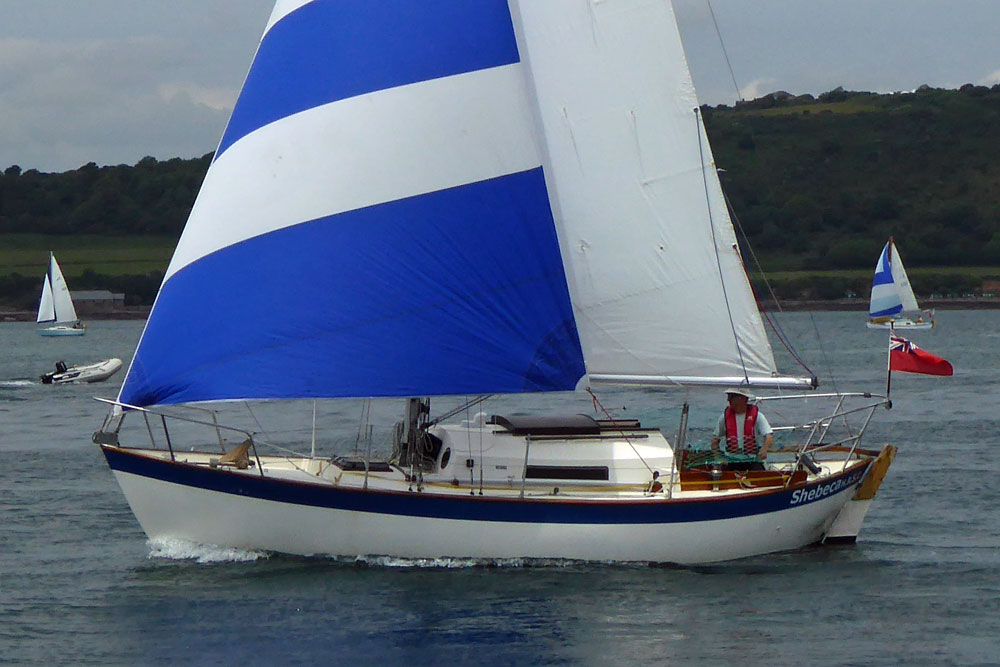
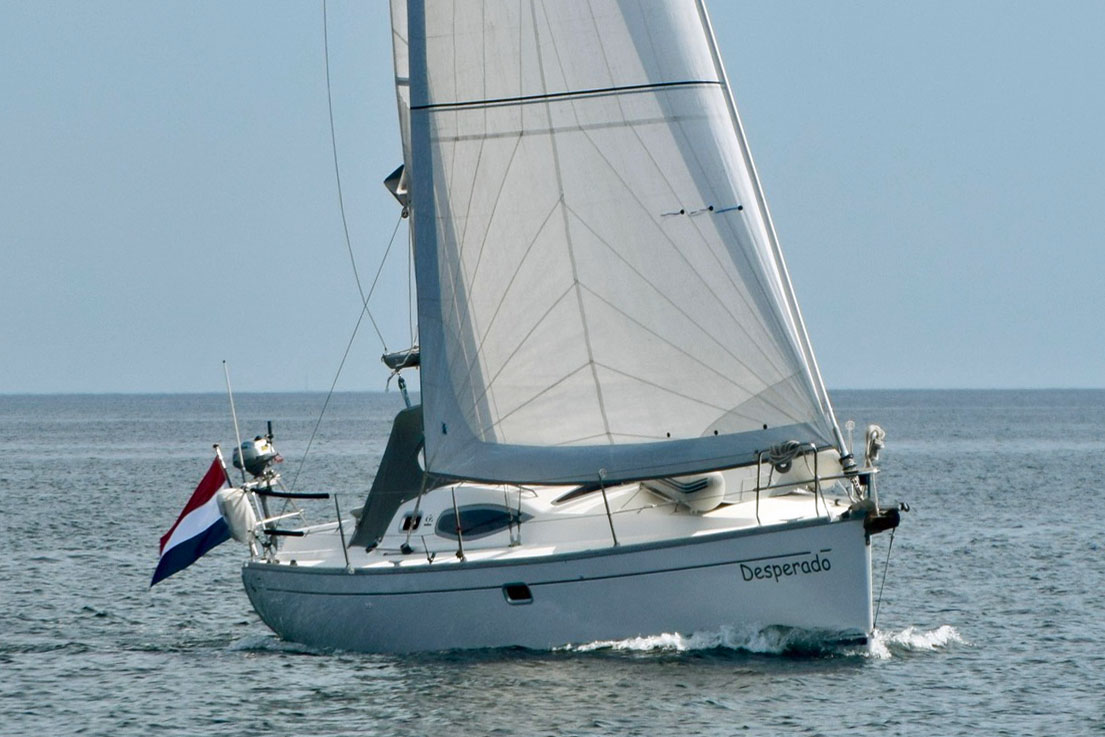 A Feeling 32 sailboat
Table of Contents
- Design & Construction
- Sail Areas & Rig Dimensions
- Configuration, Layout & Cruising Characteristics
- Published Specification: The Feeling 32 Blueprint
- Performance Analysis: Understanding the Design Ratios
- The Buyer’s Checklist: Common Problem Areas
- Comparison: Feeling 32 vs The Competition
- Summing Up
- Frequently Asked Questions (FAQs)
Design & Construction
The Feeling 32 was designed by the renowned firm Mortain & Mavrikios and built by Alliaura Marine in France. While Alliaura is often associated with the sturdy aluminium Alubat range, the Feeling 32 is constructed from Glass Reinforced Plastic (GRP). The hull is solid laminate below the waterline, while the deck utilizes a balsa core for stiffness and thermal insulation.
The defining feature of this yacht is its integral lifting keel. Unlike a simple swing keel, the Feeling 32 typically uses a weighted, NACA-profile centreboard that retracts fully into a stub housing. This lets the boat reduce its draught significantly, making it ideal for the shallow harbours of the East Coast of England or the shifting sands of the Brittany coast. To facilitate "beaching," the boat has a reinforced hull bottom and twin rudders to support it when the tide goes out.
The Feeling 32 carries a CE Category B (Offshore) rating. This certification indicates the vessel is designed for voyages offshore where sea conditions may involve wind speeds up to Beaufort Force 8 and significant wave heights up to 4 metres. While the fixed-keel version offered enhanced stability at extreme angles, the popular lifting keel version is firmly established as a Category B cruiser, perfectly suited for the coastal and regional offshore passages for which it was designed.
Sail Areas & Rig Dimensions
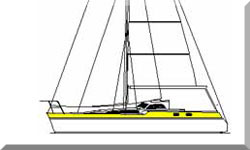
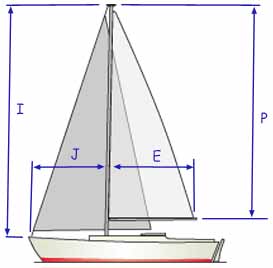 Rig dimensions
The Feeling 32 is rigged as a fractional sloop. The mast is deck-stepped with swept-back spreaders. This eliminates the need for a permanent backstay in some configurations, though most cruising versions include one for added security and trim.
- Mainsail: 271.3 ft² (25.2 m²)
- Genoa (140%): 331.5 ft² (30.8 m²)
- Total Upwind Sail Area: 602.8 ft² (56.0 m²)
Rig Dimensions:
- I: 40'4" (12.30 m)
- J: 11'4" (3.45 m)
- P: 37'1" (11.30 m)
- E: 13'1" (4.00 m)
Configuration, Layout & Cruising Characteristics
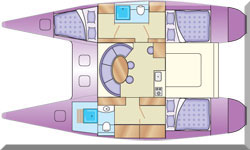
Below deck, the Feeling 32 feels larger than its 32'6" (9.90 m) length suggests. This is largely due to the light woodwork and the "panoramic" windows that allow occupants to see the horizon while seated in the saloon. The galley is typically L-shaped and located to port, offering a two-burner stove, oven, and a reasonably sized cool box.
For a 32-foot boat, the tankage is practical. Water capacity is generally around 170 litres (37.4 gallons), and the fuel tank holds approximately 70 litres (15.4 gallons). This provides a decent range under power with the standard Volvo Penta or Yanmar engines usually found in these hulls.
The cockpit is well-designed for shorthanded sailing. The primary winches are within reach of the helm, and the twin-rudder setup ensures that the boat remains easy to steer even when heeled, as the leeward rudder stays deep in the water while the windward one lifts clear.
Published Specification: The Feeling 32 Blueprint
| Specification Item | Measurement & Data |
|---|---|
| LOA | 32'6" (9.90 m) |
| LWL | 29'2" (8.90 m) |
| Beam | 11'3" (3.42 m) |
| Draft (Min/Max) | 2'7" / 6'3" (0.80 m / 1.90 m) |
| Displacement | 8,598 lbs (3,900 kg) |
| Ballast | 2,844 lbs (1,290 kg) |
| Rig Type | Fractional Sloop |
| Hull Material | GRP (Fibreglass) |
| Production Dates | 1999 – 2010 |
Performance Analysis: Understanding the Design Ratios
To understand how the Feeling 32 handles, it helps to look at the relationships between its weight, length, and sail power. These ratios provide an objective baseline for comparison.
| Ratio Metric | Calculated Value |
|---|---|
| Sail Area / Displacement (SA/D) | 22.9 |
| Displacement / Length (D/L) | 155 |
| Ballast / Displacement (B/D) | 33.1% |
| Capsize Screening Formula (CSF) | 2.18 |
| Brewer Motion Comfort Ratio | 19.8 |
Interpretation
- SA/D (22.9): This indicates a high-performance potential. A value over 20 suggests the boat is "powered up" and should perform exceptionally well in light to moderate airs.
- D/L (155): A value in this range classifies the Feeling 32 as a "Light Cruiser." It’s designed to move quickly through the water rather than plough through it like a heavy blue-water tank.
- B/D (33.1%): This is a standard ratio for a modern cruiser. Much of the stability comes from the wide beam rather than just the weight in the keel.
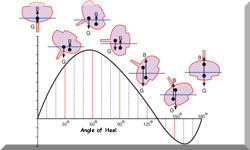
- CSF (2.18): Traditionally, a value under 2.0 is preferred for ocean passages. At 2.18, the Feeling 32 is slightly more susceptible to rolling in heavy breaking seas compared to a narrow, heavy-keeled yacht, but it remains very safe for its intended coastal use.
- Motion Comfort (19.8): This score suggests a somewhat "active" motion in a seaway. It will feel the waves more than a 40-foot heavy-displacement yacht, but the trade-off is much higher speed and agility.
For a deeper look at these metrics, see our guide on Understanding Boat Performance & Design Ratios.
Structural Integrity & Stability Dynamics
The use of GRP for the hull ensures a relatively low-maintenance ownership experience compared to aluminium or steel. However, the integrity of the lifting keel mechanism is the primary area of focus for this design. The internal ballast is encapsulated, and the centreboard itself is designed to be raised via a line or hydraulic ram, depending on the specific year of manufacture.
With twin rudders, it maintains exceptional grip when heeled. In a conventional single-rudder boat, the rudder can lift out of the water as the boat leans, leading to a loss of control (rounding up). The Feeling 32 avoids this, providing a stable and predictable steering experience even in gusty conditions.
The Buyer’s Checklist: Common Problem Areas
When inspecting a used Feeling 32, pay close attention to the following:
- Lifting Keel Mechanism: Check the pivot pin for wear and ensure the lifting line or ram operates smoothly. If the boat has been left in the mud frequently, debris can enter the keel casing.
- Twin Rudder Bearings: These can develop "play" over time. Ensure there is no excessive vibration or movement when the helm is turned.
- Windows and Portlights: The large panoramic windows are a feature, but they are prone to UV degradation and potential leaks if the sealant has perished.
- Engine Access: While generally good, check the saildrive diaphragm (if equipped) for its replacement date, as these are often overlooked.
Comparison: The Feeling 32 vs The Competition
Compared with a Beneteau Oceanis 311, the Feeling 32 offers more flexibility for shallow-water cruising due to its superior lifting keel design. Against a Southerly 110 (a larger lifting-keel peer), the Feeling is much lighter and more performance-oriented, though it lacks the heavy-ballast stability of the Southerly. In terms of build, it is sturdier than many entry-level production boats but lacks the "over-built" feel of a Hallberg-Rassy or Malö.
If you'd like to compare this boat with others in this size range, take a look at Cruising Boats from 30' to 35' overall....
Could this be your ideal cruising boat?
It may well be, but before going any further, it might be worth taking a look at my eBook 'How to Avoid Buying the Wrong Sailboat'...
Summing Up
The Feeling 32 is a clever piece of naval architecture that successfully bridges the gap between a fast coastal cruiser and a go-anywhere shallow-draught explorer. Its design ratios highlight a boat that is lively and rewarding to sail, particularly in light winds where heavier boats might struggle. While its light displacement and higher capsize screening score mean it wouldn’t be the first choice for rounding Cape Horn, it is an exemplary choice for a family or couple looking to explore the fringes of the coastline where deeper-draught boats fear to tread.
This article was written by Dick McClary, RYA Yachtmaster and author of the RYA publications 'Offshore Sailing' and 'Fishing Afloat', member of The Yachting Journalists Association (YJA), and erstwhile member of the Ocean Cruising Club (OCC).
Frequently Asked Questions (FAQs)
Can the Feeling 32 truly dry out on every tide?
Can the Feeling 32 truly dry out on every tide?
Yes, the hull is designed with a flat reinforced section and the twin rudders act as a tripod with the hull to keep the boat upright and stable on relatively level ground.
Is the lifting keel version slower than the fixed keel version?
Is the lifting keel version slower than the fixed keel version?
Slightly. The keel trunk adds a small amount of drag and the weight distribution is different, but for most cruising sailors, the difference in speed is negligible compared to the benefits of shallow draft.
How does it handle in a following sea?
How does it handle in a following sea?
The twin rudders provide excellent tracking. Unlike single-rudder boats that may struggle with broaching, the Feeling 32 stays "on rails" even when pushed by waves from astern.
Is it difficult to maintain the lifting keel?
Is it difficult to maintain the lifting keel?
It requires periodic inspection of the pivot and the lifting cable. Most owners recommend dropping the keel for a full inspection every five years to ensure no hidden corrosion is occurring.
Is the saloon visibility really that much better?
Is the saloon visibility really that much better?
Actually, yes. It is one of the few boats of this size where you can sit at the dining table and have a 360-degree view of your surroundings, which is a major safety plus when at anchor.
Recent Articles


-
Mystery 35 Review: Specs, Performance & Buying Guide
Aug 29, 26 09:42 AM
An in-depth review of the Mystery 35 sailboat. Read technical specs, design ratios, sail performance, and common buyer inspection areas. -
Beneteau First 405 Review: Specs, Performance & Buyer’s Guide
Aug 26, 26 03:58 AM
Detailed Beneteau First 405 review covering specs, performance, bluewater capability, layouts and buyer’s checklist. -
Moody S38 Review: Specs, Ratios & Buyer’s Guide
Aug 12, 26 04:22 AM
In‑depth Moody S38 review covering specs, performance, design ratios, layout, strengths, trade‑offs & buyer inspection points.