- Home
- Cruising Yachts 45' to 50'
- Valiant 47
The Valiant 47 Sailboat
Specs, Performance Analysis & Cruising Characteristics
Key Takeaways: The Valiant 47 is a serious offshore cruiser aimed at sailors who value seakindliness, load‑carrying and practical systems over marina glamour. It is a stretched evolution of the Valiant bluewater line, with a fin keel, skeg‑hung rudder and cutter rig that favour tracking and control in open water. Performance is solid rather than racy, with a comfortable motion and reassuring behaviour when pressed. The trade‑offs are weight, age‑related maintenance and the need to budget for refit work on tanks, rigging and systems. For an experienced crew planning extended passagemaking or liveaboard life, it remains a very capable, ocean‑ready platform.
Table of Contents
- The Valiant 47 at a Glance
- Design & Construction
- Published Specification: The Valiant 47 Blueprint
- Sail Areas & Rig Dimensions
- Performance Analysis: Understanding the Design Ratios
- How the Valiant 47 Sails
- Bluewater Capability: Strengths & Trade-Offs
- Used Examples for Sale
- Configuration, Layout & Cruising Characteristics
- Who This Boat Is Best For
- The Buyer’s Checklist: Common Problem Areas
- Summing Up
- Frequently Asked Questions (FAQs)
The Valiant 47 at a Glance
- Type: Bluewater cruising monohull
- Designer: Robert H. Perry
- Builder: Valiant Yachts (USA)
- Production Years: Late 1980s to mid‑1990s (approximate, low production numbers)
- Rig: Cutter‑rigged sloop, keel‑stepped mast, single wheel
- Best for: Ocean passagemaking, liveaboard cruising, high‑latitude capable with appropriate preparation
- Strengths: Strong hull structure, skeg‑hung rudder, good load‑carrying, comfortable motion, practical interior for long‑term use
- Trade‑offs: Older systems, refit costs can be significant, not a light‑air flyer, limited production means parts and documentation can take some digging
Design & Construction
The Valiant 47 sits firmly in the Robert Perry bluewater family, following the Valiant 40 and 42 with a longer hull, more volume and a slightly more modern underbody. The design brief was straightforward: a robust, easily driven hull that could carry stores for serious passagemaking without becoming sluggish or uncomfortable.
Hull, keel & rudder
The hull is a moderate‑displacement fin‑keel design with a skeg‑hung rudder. The keel is relatively deep and fairly long in chord, giving good directional stability and a secure feel when pressed. Most boats were built with a standard draft around 6'6" (1.98 m); a shallower keel option was offered on some hulls, typically around 5'6" (1.68 m), trading a little windward bite for access to shallower anchorages.
Like the Valiant 40 and 42 before it, the Valiant 47 carries Robert Perry’s trademark canoe stern — a double‑ended profile that improves following‑sea behaviour, softens motion, and reinforces the boat’s bluewater pedigree.
The skeg‑hung rudder is a key part of the boat’s offshore character. It offers better protection than a spade rudder if you meet floating debris or touch the bottom, and it contributes to the boat’s tracking ability downwind. As with any older skeg‑hung rudder, buyers should pay close attention to the skeg‑to‑hull joint, rudder bearings and any signs of water ingress or play.
The hull is solid glass reinforced plastic (GRP), hand‑laid with substantial laminate thickness in the high‑load areas. Valiant’s reputation in this size range is for conservative, belt‑and‑braces structure rather than weight chasing.
Deck, windows & chainplates
The deck is typically a cored GRP moulding, commonly with balsa or foam core, and local solid laminate in way of high‑load fittings. Over time, any cored deck can suffer from moisture ingress around poorly bedded hardware, so a moisture survey and careful inspection around stanchion bases, chainplates and deck fittings is essential.
On most Valiant 47s, the main cabin windows and portlights are framed and through‑bolted rather than simply bonded into recesses. That is good news structurally, but the bedding compounds will now be decades old, so leaks and cosmetic staining are common. Re‑bedding or replacing portlights is a predictable refit item.
Chainplates are typically stainless flat bar, passing through the deck and bolted to substantial knees or bulkheads inside. They are not usually fully encapsulated or laminated into the hull, which makes inspection and replacement more straightforward. However, crevice corrosion at the deck penetration and hidden sections is a known age‑related risk on any yacht of this era, so removal and inspection at refit time is wise.
Structural notes & variants
Internally, major bulkheads are glassed to the hull and deck, contributing to overall stiffness. Engine beds, keel floors and the skeg area are all heavily built by modern standards.
Variants were relatively limited, as the Valiant 47 was never a high‑volume production boat:
- Keel options: Standard deep fin; limited number of shoal‑draft keel
- Rig: Cutter‑rigged sloop as standard, with inner forestay for a staysail and a large foretriangle for a genoa.
- Cockpit: Aft cockpit layout, no true centre‑cockpit version.
- Interior layouts: Typically two‑cabin or two‑plus‑pilot‑berth arrangements, with a generous aft cabin accessed via a walkthrough, large saloon and a seagoing galley.
There is no widely published STIX stability index for the Valiant 47, as the design predates the routine use of STIX ratings for offshore yachts. Instead, we rely on traditional design ratios and real‑world passage history to judge its offshore credentials.
Published Specification: The Valiant 47 Blueprint
| Specification | Value |
|---|---|
| LOA | 47'3" (14.40 m) |
| LWL | 39'0" (11.89 m) |
| Beam | 13'8" (4.17 m) |
| Draft (standard) | 6'6" (1.98 m) |
| Draft (shoal, approx.) | 5'6" (1.68 m) |
| Displacement | 32,000 lb (14,515 kg) |
| Ballast | 11,500 lb (5,216 kg) |
| Rig type | Cutter‑rigged sloop |
| Hull material | Solid GRP hull, cored GRP deck |
| Production dates | Late 1980s–mid 1990s (low‑volume series) |
Sail Areas & Rig Dimensions
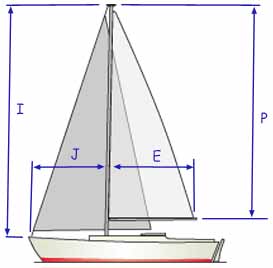 Rig dimensions
The Valiant 47 carries a conservative but capable cutter rig, sized for short‑handed crews who expect to reef early and keep the boat comfortable rather than chase every last knot.
Typical published rig dimensions are:
- I: 60'0" (18.29 m)
- J: 18'1" (5.51 m)
- P: 52'0" (15.85 m)
- E: 17'0" (5.18 m)
From these, the main sail and foretriangle areas are approximately:
- Mainsail area: ~442 ft² (41.1 m²)
- Foretriangle (100% foretriangle): ~543 ft² (50.4 m²)
- Total working sail area (main + 100% foretriangle): ~985 ft² (91.5 m²)
Many owners fit a slightly overlapping genoa and a dedicated staysail, so the practical sail wardrobe often includes:
- Full‑batten main
- 120–135% genoa on a furler
- Staysail on an inner forestay
- Asymmetric or symmetric spinnaker for downwind work
Performance Analysis: Understanding the Design Ratios
Using the typical figures above, we can derive the key design ratios that offshore sailors like to see.
| Ratio | Value | What it suggests |
|---|---|---|
| Sail Area/Displacement (SA/D) | ≈ 15.6 | Moderate power; not under‑canvassed, but prioritises control and comfort over light‑air speed. |
| Displacement/Length (D/L) | ≈ 240 | Moderate‑to‑heavy displacement; good load‑carrying and motion comfort offshore. |
| Ballast/Displacement (B/D) | ≈ 36% | Healthy ballast ratio, contributing to stiffness and knockdown resistance. |
| Capsize Screening Formula (CSF) | ≈ 1.7 | Below 2.0, which is generally considered favourable for offshore work. |
| Brewer Motion Comfort Ratio | ≈ 36 | High comfort score; suggests a gentle motion compared with lighter, flatter boats. |
Interpreting the numbers
- SA/D ~15.6: The boat has enough sail to keep moving in moderate airs, but it is not a light‑air specialist. In trade‑wind conditions and typical passagemaking weather, that is a sensible compromise.
- D/L ~240: This is firmly in the moderate‑to‑heavy cruising band. It will not leap onto a plane, but it will carry stores, fuel and water without becoming a dog.
- B/D ~36%: A solid ballast ratio that, combined with the hull form, supports good ultimate stability and a reassuring feel when pressed.
- CSF ~1.7: Below the often‑quoted 2.0 offshore threshold, indicating a relatively low tendency to capsize in beam seas.
- Comfort ratio ~36: This is on the comfortable side of the spectrum, which matches owner reports of a steady, predictable motion in a seaway.
For more on this topic, you might want to take a look at Understanding Boat Performance & Design Ratios...
How the Valiant 47 Sails
Under sail, the Valiant 47 behaves like what it is: a serious cruising boat that rewards steady, conservative handling rather than constant tweaking.
Upwind
Upwind, the deep‑keel version points reasonably well for a cruising design of its era. It prefers to sail slightly cracked off rather than pinched, and it comes into its own in 12–20 knots of breeze. In lighter airs, the moderate SA/D means you will either accept lower speeds or change up to a larger headsail and keep the boat moving.
The helm is generally light and positive, with the skeg‑hung rudder giving a secure feel as the boat heels. Weather helm builds progressively as you would expect; most owners reef the main early and keep the boat on its feet rather than sailing it on its ear.
Reaching & downwind
On a reach, the boat settles into a comfortable, steady groove. The longish waterline and moderate displacement give a respectable passage pace when the breeze is in the mid‑teens and above. Downwind, the skeg‑hung rudder and fin keel combination track well, and the boat is less prone to sudden round‑ups than lighter, flatter designs.
With a poled‑out genoa or twin headsails, the Valiant 47 makes a very competent trade‑wind passagemaker. Many owners report that the boat feels happiest with a reef in the main and a modest headsail, letting the hull shape and weight do the work.
Short‑handed behaviour
The cutter rig is a real asset for short‑handed crews. Being able to roll away the genoa and sail under reefed main and staysail in rising winds keeps loads manageable and the centre of effort low and close to the mast. The boat heaves‑to in a predictable, controlled way, which is valuable for rest stops, sail changes or waiting out squalls.
The motion is steady rather than lively. In a head sea, the bow has enough volume to avoid burying, and the hull shape avoids the hard slamming sometimes seen in flatter, lighter designs.
Bluewater Capability: Strengths & Trade-Offs
Offshore suitability
The Valiant 47 was conceived as an offshore cruiser, and its track record reflects that. The combination of solid construction, skeg‑hung rudder, moderate displacement and cutter rig is well suited to ocean passages. The design is forgiving of heavy weather, provided the crew reef early and keep the boat balanced.
Tankage & load‑carrying
Tankage varies by build, but typical boats carry generous fuel and water for extended cruising. The moderate‑to‑heavy displacement and D/L around 240 mean the boat can absorb the weight of cruising gear, spares and stores without a dramatic impact on performance. That said, like any cruiser, it will feel livelier and more responsive if you resist the temptation to fill every locker with “just in case” gear.
Seakindliness & deck safety
High bulwarks, substantial stanchions and good handholds contribute to safe movement on deck. The side decks are reasonably wide, and the aft cockpit is deep enough to feel secure without being a bathtub. Cockpit drains should be checked and kept clear, but the basic geometry is sound for offshore work.
The motion comfort ratio in the mid‑30s is borne out by owner reports: the boat has a gentle, predictable motion that is kind to crew on long passages. The trade‑off is that it will not match the daily runs of a modern performance cruiser in light airs.
Looking for a Used Valiant 47?
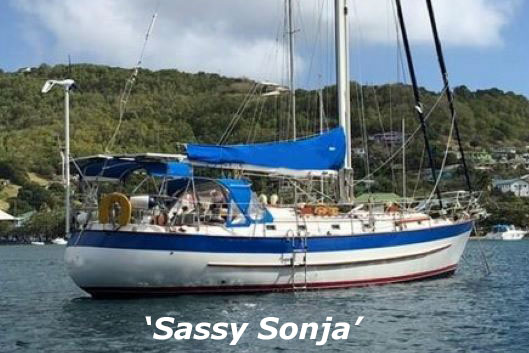
Configuration, Layout & Cruising Characteristics
Cockpit & deck ergonomics
The aft cockpit is sized for a cruising crew rather than a racing rail. There is space for a proper sprayhood and, on many boats, a fixed windscreen and cockpit enclosure. Winch layout is generally sensible, with primary sheet winches within reach of the helm and halyards led to the mast or, on some later boats, partially aft.
Deck stowage is adequate rather than huge. Many boats have substantial bow lockers and lazarettes aft, but long‑term liveaboards often add deck boxes or custom storage for jerrycans, fenders and bulky gear.
Interior layout
Below, the Valiant 47 feels like a serious cruising home rather than a weekend toy. Typical features include:
- A forward cabin with a generous berth and good locker space
- A large saloon with opposing settees and a proper sea‑going table
- A walkthrough to a spacious aft cabin, often with a double berth and good ventilation
- One or two heads compartments, usually with separate shower space
- A U‑shaped or L‑shaped galley near the companionway, with bracing points for use at sea
Joinery is usually in warm timber, with a practical, slightly traditional feel. Ventilation and light are decent, but older portlights and hatches may need upgrading for modern standards of sealing and clarity.
Liveaboard notes
For liveaboard use, the Valiant 47 scores well on:
- Storage: Plenty of deep lockers and bilge stowage for provisions and spares.
- Systems space: Room to install watermakers, extra batteries, inverters and modern electronics.
- Privacy: A proper aft cabin and forward cabin allow two couples or a family to share the boat without living on top of each other.
The main compromises are those of any older cruising boat: insulation is not to modern standards, and heating, ventilation and refrigeration systems may need upgrading for high‑latitude or tropical liveaboard life.
Who This Boat Is Best For
Good fit for:
- Sailors planning extended bluewater cruising or circumnavigation who value strength and seakindliness
- Couples or small crews who want a manageable, cutter‑rigged boat with sensible sail handling
- Liveaboards who prioritise storage, systems space and a comfortable motion at sea
- Owners willing to invest in a thoughtful refit rather than chase a “turn‑key” marina showpiece
Less ideal for:
- Those who mainly daysail or weekend in light‑air coastal waters and want sporty performance
- Owners who are unwilling to take on age‑related maintenance of tanks, rigging, wiring and deck hardware
- Crews who prefer huge cockpits and open‑plan interiors over seagoing layouts and secure spaces
- Buyers on a tight budget who cannot allow for a meaningful refit reserve on top of the purchase price
The Buyer’s Checklist: Common Problem Areas
For a Valiant 47 buyer, the key is to separate normal age‑related wear from genuine structural or design‑related concerns. A thorough survey by a surveyor familiar with offshore cruisers is essential. Typical focus areas include:
- Hull & osmosis: While the worst Valiant blister issues were associated with earlier fire‑retardant resins on smaller models, any older GRP hull should be checked for osmotic blistering, previous peel and re‑lamination work and fairing quality.
- Deck core & leaks: Moisture around chainplates, stanchion bases, winch pads and deck fittings is common. Look for soft spots, discoloured headliners and evidence of past repairs.
- Chainplates: Remove covers and inspect where possible. Look for crevice corrosion, cracking, rust streaks and movement at the deck penetration. Budget for replacement if there is any doubt.
- Rudder & skeg: Check for play in the rudder bearings, cracks at the skeg‑to‑hull joint and signs of water ingress into the rudder blade. Tapping and thermal imaging can help identify voids or delamination.
- Keel & keel bolts: Inspect the keel‑to‑hull joint for weeping, cracking or signs of grounding. Have keel bolts checked for corrosion and torque.
- Engine & drivetrain: Many boats will be on their second or even third engine by now. Assess engine hours, service history, mounts, exhaust system and shaft alignment. A repower is a major cost item.
- Tanks: Original mild‑steel fuel tanks and some water tanks may be approaching the end of their life. Look for staining, smells, access for inspection and any signs of leakage. Replacement can be invasive.
- Rigging: Standing rigging older than 10–15 years should be considered due for replacement for offshore work. Check chainplate terminations, turnbuckles, swages and mast step condition.
- Electrics & electronics: Many Valiant 47s have had multiple generations of wiring and electronics layered on top of each other. A tidy, well‑documented system is a good sign; a rat’s nest behind the panel is not.
- Interior joinery & structure: Look for signs of movement, cracked joinery, bulkhead tabbing issues and any evidence of hard groundings or collisions.
Could this be your ideal cruising boat?
It may well be, but before going any further, it might be worth taking a look at my eBook 'How to Avoid Buying the Wrong Sailboat'...
Summing Up
The Valiant 47 is not a fashion piece, and that is precisely its appeal for many experienced sailors. On paper, the design ratios paint a picture of a moderate‑to‑heavy displacement cruiser with enough sail area to keep moving, a healthy ballast ratio and a comfort‑oriented motion profile. On the water, owner reports and passage histories back that up: it is a steady, predictable boat that looks after its crew when the barometer drops.
The trade‑offs are clear. You are buying an older, serious cruising yacht that will almost certainly need ongoing investment in structure, systems and cosmetics. If you approach it with a realistic refit budget and a willingness to prioritise safety‑critical items first, you can end up with a very capable bluewater home for a fraction of the cost of a new, lightly built cruiser.
For the right sailor—someone who values strength, seakindliness and practical layouts over dockside gloss—the Valiant 47 remains a compelling, quietly capable choice.

This article was written by Dick McClary, RYA Yachtmaster and author of the RYA publications 'Offshore Sailing', member of The Yachting Journalists Association (YJA), erstwhile member of the Ocean Cruising Club (OCC) and owner/administrator of 'Liveaboard Sailboats for Sale'.

Frequently Asked Questions (FAQs)
1. How fast is a Valiant 47 on passage?
1. How fast is a Valiant 47 on passage?
In typical trade‑wind conditions with a reef in the main and a modest headsail, many owners report consistent daily runs in the 140–170 nautical mile range. In lighter airs, speeds drop unless you are willing to fly larger headsails or a spinnaker.
2. Can a couple handle a Valiant 47 offshore?
2. Can a couple handle a Valiant 47 offshore?
Yes, provided the boat is set up sensibly. The cutter rig, reliable autopilot or windvane, and well‑planned reefing systems make it manageable for a fit, experienced couple. Electric or hydraulic winches are a bonus but not essential if sail handling is kept simple.
3. Is the Valiant 47 suitable for high‑latitude cruising?
3. Is the Valiant 47 suitable for high‑latitude cruising?
Structurally, the hull, keel and rudder arrangement are well suited to tougher conditions. For serious high‑latitude work you would want upgraded heating, insulation, storm sails, robust ground tackle and careful attention to deck hardware and hatch integrity.
4. What are the biggest refit “gotchas” on these boats?
4. What are the biggest refit “gotchas” on these boats?
Hidden corrosion in fuel tanks, difficult‑to‑access chainplates, tired wiring and rudder or skeg issues are the main candidates. A thorough survey and a realistic refit plan are essential before committing.
5. How does the Valiant 47 compare to similar bluewater cruisers like the Valiant 42 or Pacific Seacraft 44?
5. How does the Valiant 47 compare to similar bluewater cruisers like the Valiant 42 or Pacific Seacraft 44?
Compared with the Valiant 42, the 47 offers more volume, tankage and storage, with a similar design philosophy. Against something like a Pacific Seacraft 44, it is a little larger and heavier, with a similar focus on offshore strength and seakindliness rather than outright speed. Choice often comes down to availability, interior layout preferences and the specific condition of individual boats.
Recent Articles


-
Should I Buy a Boat? Four Questions to Answer Before You Commit
Oct 02, 26 04:40 AM
Thinking "Should I buy a boat?" This guide helps you decide, with key considerations from cost & maintenance to your personal sailing aspirations. -
Offshore Internet with Starlink: Hardware, Plans, and Setup Guidance
Oct 01, 26 01:15 PM
A clear, practical guide to choosing the right Starlink hardware and plan for offshore cruising. Learn what to buy, how to install it, and how to manage power afloat. -
Offshore Liferaft Guide: Choosing, Stowing and Servicing One
Oct 01, 26 06:28 AM
Choosing an offshore liferaft? Learn what ISO 9650 Group A means, where to stow it, how often to service it and what to pack in the grab bag.