- Home
- Cruising Yachts 45' to 50'
- Sirius 40
- Deck Saloon Vs Low Profile Yachts
Deck Saloon vs Low Profile: The Offshore Compromise
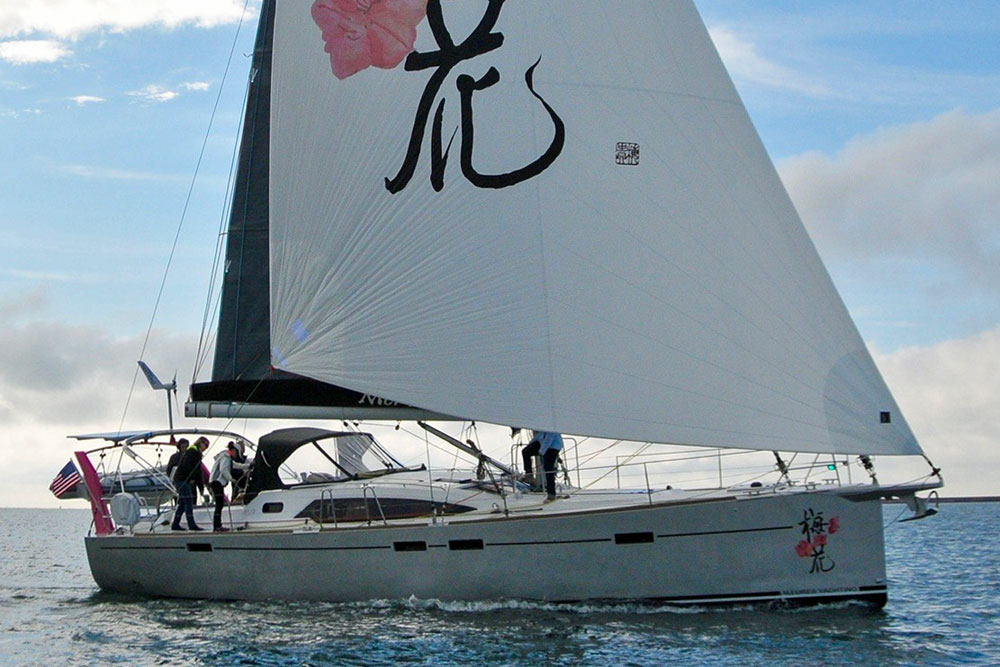
Key Takeaways: The Deck Saloon vs Low Profile debate is a fundamental choice between interior lifestyle and exterior performance. For the offshore sailor, a deck saloon offers 360-degree visibility and abundant natural light—often reducing fatigue during long passages. Conversely, a low profile yacht prioritises sleek aesthetics and reduced windage, offering superior upwind performance in heavy weather. Ultimately, the decision hinges on whether you value the panoramic "living on deck" experience of a yacht like the Sirius 40DS (shown below) or the traditional, snug security of a low-profile cruiser.
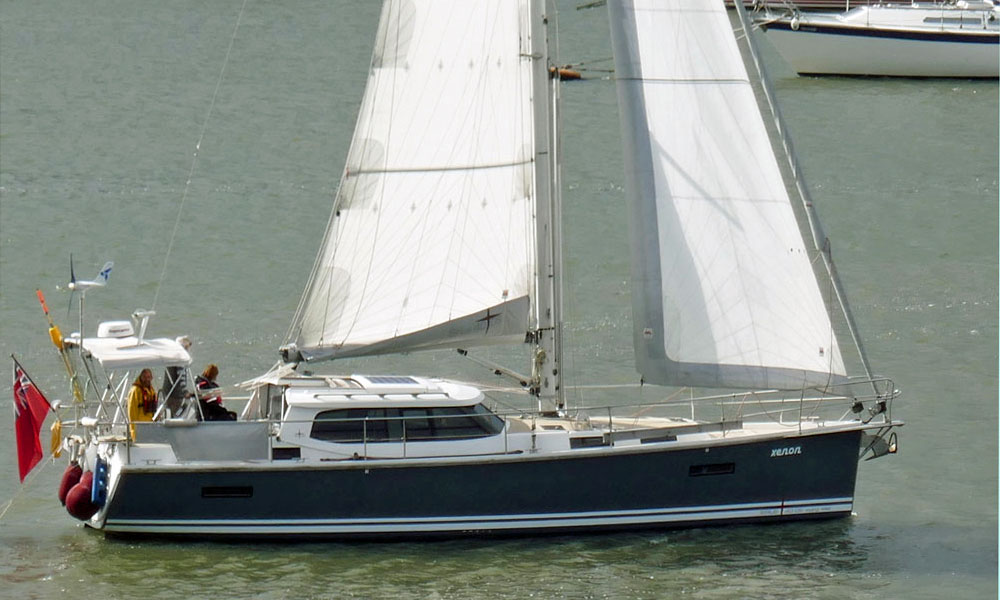 A functional deck saloon is an impressive feature of the Sirius 40DS
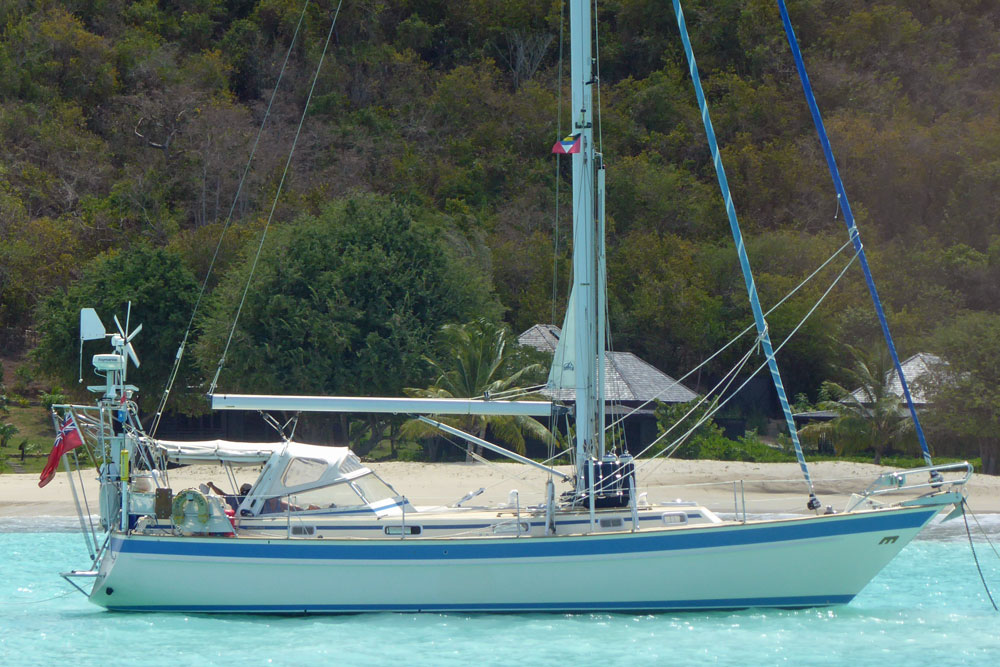 And there's no denying that this low-profile Malo 42 is a handsome craft
Table of Contents
- Deck Saloon vs Low Profile: The Offshore Compromise
- The Evolution of the Deck Saloon: Beyond the 'Bubble'
- Visibility & Watchkeeping: The Raised Sole Advantage
- Interior Light & Psychological Well-being Offshore
- The Hidden Cost of Height: Windage & Aerodynamic Drag
- Stability & Centre of Gravity: Engineering the Silhouette
- Aesthetics & Resale Value in the Blue Water Market
- Summing Up
- Frequently Asked Questions
Deck Saloon vs Low Profile: The Offshore Compromise
When planning a long-distance passage, your vessel’s silhouette affects more than dockside envy. The debate between deck saloon (DS) and low profile (often termed ‘aft cockpit,’ or ‘flush deck’ in more extreme forms) is a trade-off between physics and ergonomics. A deck saloon raises the cabin sole and incorporates large windows, while the low profile keeps the coachroof tucked down, hugging the deck line.
For decades, the low profile was the mark of a "serious" offshore boat. The reasoning was sound: lower windage, a lower centre of gravity, and smaller windows that were less likely to be stove in by a boarding sea. However, modern naval architecture and advanced glazing technology have shifted the scales, making the deck saloon a formidable contender for high-latitude and tropical cruising alike.
The Evolution of the Deck Saloon: Beyond the 'Bubble'
Earlier iterations of deck saloon yachts often looked like an afterthought—an ungainly "bubble" plopped onto a standard hull. Modern designs, however, integrate the raised coachroof into the hull lines far more gracefully. A review of recent World Sailing safety reports and Yachting World design reviews suggests that a major driver of the DS shift is the "social" aspect of sailing.
In a traditional low-profile yacht, the crew below is disconnected from the horizon. In a deck saloon, the person preparing a meal or navigating is at the same visual level as those in the cockpit. This integration is a massive boost for morale during tedious night watches or rainy coastal hops.
Visibility & Watchkeeping: The Raised Sole Advantage
The most significant functional difference shows up in watchkeeping. A true deck saloon can include an internal steering station—or, at minimum, a clear horizon view from the navigation station.
- Deck Saloon: Offers 360-degree visibility. In foul weather, you can monitor for traffic and lobster pots from a dry, warm environment.
- Low Profile: Requires the watchkeeper to stick their head out of the companionway or remain in the cockpit. Over a multi-day passage, the physical toll of exposure is significantly higher on a low-profile boat.
Interior Light & Psychological Well-being Offshore
Dark, "cave-like" interiors were once the hallmark of the blue water cruiser, often finished in heavy teak with tiny portlights. While cozy in a storm, they can be claustrophobic during extended periods at sea.
Feedback from the RYA and cruising forums suggests that "cabin fever" is a genuine factor in crew fatigue. The abundance of natural light in a deck saloon can help regulate circadian rhythms and can make the yacht feel larger than its actual LOA (Length Over All). A low-profile yacht can offer a feeling of "snugness" and safety, but it may require artificial lighting even during the day—draining battery banks and changing the sensory experience of the voyage.
The Hidden Cost of Height: Windage & Aerodynamic Drag
Physics cannot be cheated. A deck saloon presents a larger lateral surface area to the wind. In a gale, this extra windage can make a measurable difference in how a boat behaves at anchor or when trying to claw off a lee shore.
| Feature | Deck Saloon (DS) | Low Profile / Traditional |
|---|---|---|
| Visibility | Excellent 360° View | Restricted to Companionway |
| Natural Light | High; panoramic windows | Low; traditional portlights |
| Windage | Higher; affects upwind speed | Minimal; sleek aerodynamics |
| Centre of Gravity | Slightly higher sole | Lower; better for stability |
| Aesthetics | Contemporary & Voluminous | Classic & Sporty |
Stability & Centre of Gravity: Engineering the Silhouette
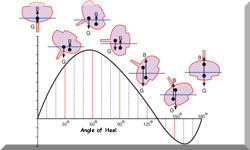
A common critique is the centre of gravity. Raising the sole to provide that coveted view naturally moves the weight of the crew, the furniture, and sometimes the tanks further from the keel.
To compensate, designers of high-end deck saloons may specify deeper keels or heavier ballast ratios. A low-profile yacht is generally easier to design for ultimate stability (STIX rating), because the mass is kept low. If your goal is racing or high-performance offshore passage making where every fraction of a knot matters, the low profile remains the logical choice.
Aesthetics & Resale Value in the Blue Water Market
Aesthetics are subjective, yet they drive the market. The "Med-style" sleek, low-profile look is often associated with speed and elegance. However, the resale market for blue water cruisers has seen a massive surge in demand for deck saloons.
Today’s buyers are often couples who value comfort and the ability to see the anchorage while sitting at the saloon table. A low-profile boat might look faster at the yacht club, but a deck saloon often sells faster on the brokerage market because it fulfills the "dream" of living comfortably on the water rather than just enduring the journey.
Summing Up
Choosing between a deck saloon and a low-profile yacht is a matter of prioritising your environment. If you are a purist who finds joy in the sleek lines of a flush deck and the thrill of squeezing every decibel of performance out of a hull, the low profile is your sanctuary. But for the modern cruiser—the one who spends 90 percent of their time at anchor or on long watches in varying climates—the visibility and light of a deck saloon are transformative. It’s the difference between watching the world go by and feeling part of it—while still staying protected from the elements.

This article was written by Dick McClary, RYA Yachtmaster and author of the RYA publications 'Offshore Sailing', member of The Yachting Journalists Association (YJA), erstwhile member of the Ocean Cruising Club (OCC) and owner/administrator of 'Liveaboard Sailboats for Sale'.

Frequently Asked Questions
Does a deck saloon make the yacht hotter in the tropics?
Does a deck saloon make the yacht hotter in the tropics?
While large windows can increase solar gain, modern deck saloons use tinted, UV-reflective toughened glass. When combined with superior ventilation and air conditioning, the temperature difference is negligible compared to the benefit of natural light.
Are the large windows in a deck saloon safe for ocean crossings?
Are the large windows in a deck saloon safe for ocean crossings?
Yes, provided the yacht is built to CE Category A (Ocean) standards. Quality builders use thick, laminated safety glass and robust frames that are designed to withstand the pressure of a breaking sea.
How much does windage actually affect docking?
How much does windage actually affect docking?
In high winds, a deck saloon will "sail" more on its anchor or its mooring lines. During docking, the higher coachroof acts as a larger sail area, requiring more decisive use of the engine or bow thruster compared to a low-profile boat.
Can I have an inside steering station on a low-profile yacht?
Can I have an inside steering station on a low-profile yacht?
It is very rare. Because the visibility is so limited from below on a low-profile yacht, an internal helm is usually impractical. This is a feature almost exclusively reserved for deck saloons and pilot house yachts.
Which holds its value better over time?
Which holds its value better over time?
Currently, deck saloon yachts from reputable builders tend to hold their value exceptionally well because they appeal to the largest segment of the cruising market: retirees and long-term cruising families who prioritise comfort and visibility.
Recent Articles


-
Should I Buy a Boat? Four Questions to Answer Before You Commit
Oct 02, 26 04:40 AM
Thinking "Should I buy a boat?" This guide helps you decide, with key considerations from cost & maintenance to your personal sailing aspirations. -
Offshore Internet with Starlink: Hardware, Plans, and Setup Guidance
Oct 01, 26 01:15 PM
A clear, practical guide to choosing the right Starlink hardware and plan for offshore cruising. Learn what to buy, how to install it, and how to manage power afloat. -
Offshore Liferaft Guide: Choosing, Stowing and Servicing One
Oct 01, 26 06:28 AM
Choosing an offshore liferaft? Learn what ISO 9650 Group A means, where to stow it, how often to service it and what to pack in the grab bag.