- Home
- Cruiser Yachts over 55'
- Wauquiez Pilot Saloon 60 Bluewater Cruising Yacht Review
Wauquiez Pilot Saloon 60 Sailboat
Specs, Performance Analysis & Cruising Characteristics
Key Takeaways: The Wauquiez Pilot Saloon 60 (PS 60) is a rare, semi-custom bluewater cruising yacht designed by Ed Dubois and built by the French yard Chantier Wauquiez between 1992 and 1994. Combining serious offshore capability with the visibility and comfort of a true pilot saloon, it occupies a niche few monohulls have matched.
Its strengths lie in structural quality, passage-making comfort, excellent interior volume, and long-range cruising suitability. Trade-offs include complexity, the cost of maintaining a 60-foot yacht, ageing systems, and a relatively small production run that can make sourcing model-specific information challenging.
For experienced cruisers seeking an ocean-capable liveaboard yacht rather than a marina apartment, the PS 60 remains a compelling proposition.
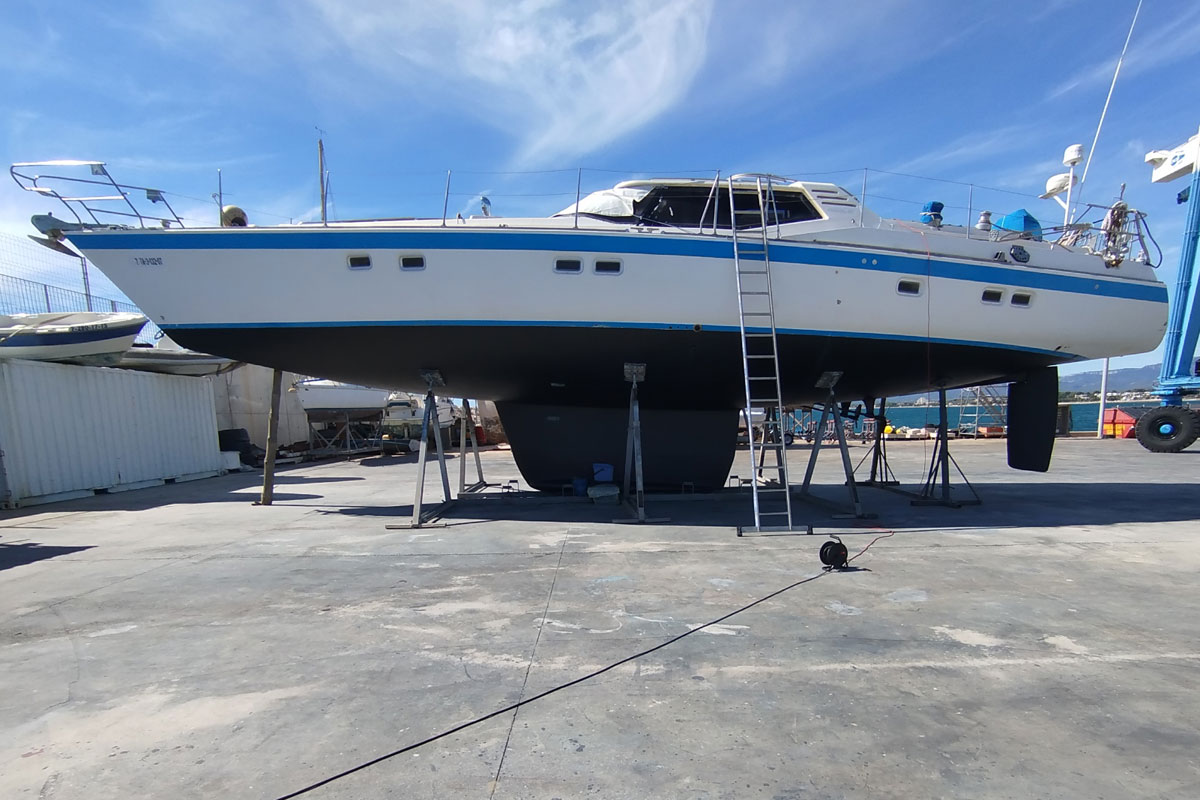 'Alligator Uno', a Wauquiez PS 60
Table of Contents
- The Wauquiez Pilot Saloon 60 at a Glance
- Design & Construction
- Published Specification: The Wauquiez Pilot Saloon 60 Blueprint
- Sail Areas & Rig Dimensions
- Performance Analysis: Understanding the Design Ratios
- How the Wauquiez Pilot Saloon 60 Sails
- Bluewater Capability: Strengths & Trade-Offs
- Configuration, Layout & Cruising Characteristics
- Who This Boat Is Best For
- The Buyer’s Checklist: Common Problem Areas
- Summing Up
- Frequently Asked Questions (FAQs)
The Wauquiez Pilot Saloon 60 at a Glance
Type: Bluewater cruising yacht / Pilot Saloon cruiser
Designer: Ed Dubois
Builder: Chantier Wauquiez (France)
Production Years: 1992-1994
Rig: Masthead cutter-sloop (varies slightly by vessel)
Best for: Offshore passagemaking, long-distance cruising, liveaboard ownership
Strengths:
- Exceptionally robust construction
- Protected pilot saloon concept
- Comfortable motion offshore
- High tankage and storage capacity
- Strong load-carrying ability
- Easy watchkeeping from inside saloon
Trade-offs:
- Expensive systems maintenance
- Limited production numbers
- Complex hydraulic and furling equipment on many examples
- Teak deck replacement can be costly
- Large yacht operating costs
Design & Construction
The Pilot Saloon 60 emerged during a period when Wauquiez was producing some of its most ambitious cruising yachts. Designed by the late Ed Dubois, whose portfolio included numerous respected offshore cruising and performance yachts, the PS 60 was intended for sailors planning extended offshore voyages rather than coastal weekend cruising.
The hull is GRP with foam-cored construction in significant areas of the structure, while the deck and coachroof were engineered to a notably high standard for the era. Contemporary brokerage descriptions and survey references consistently describe substantial scantlings and quality joinery, reflecting Wauquiez's reputation as a premium builder rather than a volume-production yard. Sources indicate a fin-and-bulb keel configuration paired with a skegless rudder arrangement typical of Dubois cruising designs of the period.
One of the defining features is the raised pilot saloon with large panoramic windows. The concept provides excellent visibility from the saloon and chart area, particularly valuable in poor weather or during long offshore passages. Available evidence suggests the windows are bonded into the surrounding structure, making careful inspection for seal deterioration and water ingress advisable on boats now over thirty years old.
The rig was generally supplied with a three-spreader aluminium mast and rod standing rigging. Many examples employed hydraulic furling systems for both mainsail and headsails, reflecting the yacht's intended short-handed cruising role. Numerous surviving boats have since undergone rigging replacements or upgrades.
Interior layouts varied slightly because the PS 60 was effectively a semi-custom yacht. Most examples feature three owner and guest cabins, three heads compartments, and separate crew accommodation forward. Published examples show twin-engine installations, typically around 2 × 80hp, providing redundancy and manoeuvrability advantages for offshore cruising.
The PS 60 was effectively the flagship of the early Pilot Saloon range. It should not be confused with later Pilot Saloon models such as the PS 47, PS 48, PS 55 and PS 58, which were different designs and not direct evolutions of the original Dubois yacht.
Published Specification: The Wauquiez Pilot Saloon 60 Blueprint
Sail Areas & Rig Dimensions
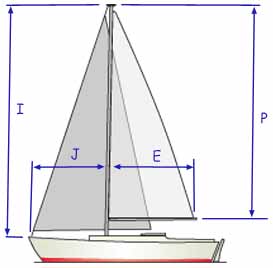 Rig dimensions
Performance Analysis: Understanding the Design Ratios
The ratio package paints a fairly clear picture. Despite weighing nearly 28 tonnes, the yacht carries an unusually generous sail plan, allowing her to maintain respectable passage speeds. The CSF and Comfort Ratio both fall firmly into territory associated with offshore cruising yachts rather than lighter contemporary production cruisers. The D/L figure confirms that this is not a lightweight performance boat but neither is it an excessively heavy traditional cruiser.
For more on this topic, you might want to take a look at Understanding Boat Performance & Design Ratios...
How the Wauquiez Pilot Saloon 60 Sails
The Dubois influence is apparent as soon as the numbers are examined. The PS 60 carries substantial sail area but avoids appearing over-rigged. Owners and brokers consistently describe a yacht capable of maintaining good passage averages without demanding an aggressive sailing style.
Upwind, the deep fin-and-bulb keel provides respectable pointing ability for a pilot-saloon cruiser. She will never match a modern performance cruiser with a narrow coachroof and lighter displacement, but she typically rewards patient sail trim with steady progress and little drama.
Off the wind, the boat's displacement and waterline length become major assets. Once settled into ocean conditions she tends to maintain momentum effectively through wave trains. Long passages are helped by relatively low crew fatigue levels compared with lighter yachts that react more abruptly to each wave.
Helm loads appear moderate. Most examples rely heavily on powerful autopilot systems, which is hardly surprising on a 60-foot cruising yacht. The sail plan was intended to be managed by a couple rather than a racing crew, with furling gear and hydraulic assistance featuring prominently on many boats.
Perhaps the strongest endorsement is that the design feels purpose-built for long-distance cruising rather than adapted to it later.
Bluewater Capability: Strengths & Trade-Offs
Bluewater credentials are arguably the PS 60's strongest attribute.
The substantial displacement, manageable sail plan, deep tankage, secure cockpit arrangement and protected saloon all support long offshore passages. The elevated watchkeeping position is particularly valuable on cold or wet passages where maintaining crew morale becomes almost as important as theoretical performance.
Tank capacities vary by individual build and subsequent modifications, but most examples offer significantly greater autonomy than typical production cruisers. Water capacities approaching 1,200 litres and fuel capacities around 1,000 litres have been documented.
Trade-offs inevitably accompany this capability. Maintenance costs are substantial. Hydraulic systems, large furling mechanisms, twin engines and extensive onboard systems can all generate significant expenditure. A neglected PS 60 can absorb six-figure refit budgets remarkably quickly.
Configuration, Layout & Cruising Characteristics
The cockpit prioritises offshore security over marina aesthetics. Crew remain well protected, movement around the deck is straightforward, and essential sail controls are located with short-handed operation in mind.
The pilot saloon remains the yacht's defining feature. Visibility is excellent, natural light floods the accommodation, and the raised seating area gives a striking sense of connection with the outside environment. Even thirty years after launch, the arrangement feels remarkably modern.
Storage is extensive throughout. Long-term cruisers will appreciate dedicated machinery spaces, substantial lockers and practical stowage arrangements rather than purely decorative interior volume.
The galley is arranged for passage-making rather than harbour entertaining, while accommodation is generous enough for extended family cruising or occasional guests. Most examples provide three principal cabins plus separate crew space.
As a liveaboard platform, the PS 60 compares favourably with many modern cruising yachts several decades newer.
Who This Boat Is Best For
Good fit for:
- Experienced offshore sailors
- Circumnavigation plans
- Long-range Mediterranean and Atlantic cruising
- Couples wanting pilot-saloon protection
- Liveaboards seeking substantial storage and tankage
- Sailors upgrading from 45-55ft bluewater cruisers
Less ideal for:
- First-time yacht owners
- Budget-conscious buyers
- Marina-based weekend sailors
- Owners unable to manage complex onboard systems
- Sailors seeking lightweight performance-cruiser handling
The Buyer’s Checklist: Common Problem Areas
When surveying a Pilot Saloon 60, particular attention should be paid to:
- Teak deck wear and fastener condition
- Pilot saloon window seals and evidence of water ingress
- Rod rigging age and replacement history
- Hydraulic furling systems
- Chainplate integrity and surrounding laminate condition
- Deck-core moisture around fittings
- Rudder bearings
- Keel attachment inspection records
- Twin-engine service history
- Ageing tankage, pipework and seacocks
- Electrical system upgrades and documentation
- Generator and watermaker condition
- Signs of deferred maintenance hidden behind cosmetic refits
A comprehensive survey by an inspector familiar with large offshore cruising yachts is strongly recommended.
Summing Up
The Wauquiez Pilot Saloon 60 occupies a rather special position in the bluewater market. It combines genuine offshore capability, substantial carrying capacity and a highly successful pilot-saloon concept in a package that still feels relevant decades after launch.
The design ratios indicate a yacht capable of carrying sail, maintaining passage speed and providing a comfortable motion in difficult conditions. Build quality is generally regarded as one of the model's strongest attributes. The drawbacks are largely those associated with operating any sophisticated 60-foot yacht: maintenance costs, system complexity and refit exposure.
For buyers seeking a serious offshore cruiser with genuine long-distance aspirations, the Pilot Saloon 60 remains one of the more interesting yachts of its generation.
If you're looking for other cruising boats of a similar size to the Wauquiez Pilot Saloon 60, check here...

Written by Dick McClary, cruising sailor and yachting journalist, publisher of Sailboat‑Cruising.com and admin of the Liveaboard Sailboats for Sale community.

Frequently Asked Questions (FAQs)
Is the Wauquiez Pilot Saloon 60 a true bluewater yacht?
Is the Wauquiez Pilot Saloon 60 a true bluewater yacht?
Yes. Its displacement, tankage, structural reputation, offshore-oriented layout and favourable stability indicators place it firmly in the bluewater cruising category.
How fast is the Wauquiez Pilot Saloon 60?
How fast is the Wauquiez Pilot Saloon 60?
Expect comfortable cruising passage speeds rather than outright performance. The generous sail plan helps the boat outperform what many sailors expect from a 28-tonne cruiser.
What is the biggest ownership risk?
What is the biggest ownership risk?
Deferred maintenance. Large systems, hydraulic equipment and ageing rigging can quickly become expensive if neglected.
Does the pilot saloon compromise offshore safety?
Does the pilot saloon compromise offshore safety?
Not inherently. The concept was specifically developed to improve comfort and visibility during offshore passages, although window and seal maintenance is particularly important.
Is it suitable for a couple?
Is it suitable for a couple?
Yes. The design was intended for short-handed passagemaking and many examples feature systems that reduce physical workload.
Recent Articles


-
Wauquiez Pilot Saloon 60 Review, Specs & Bluewater Buying Guide
Nov 20, 26 09:01 AM
Detailed Wauquiez Pilot Saloon 60 review covering specs, performance, seaworthiness, ownership, buyer checks and bluewater cruising suitability. -
Wauquiez Pilot Saloon 60 for Sale
Nov 20, 26 07:56 AM
Designed by Ed |Dubois, 'Alligator Uno' is a large, comfortable pilothouse cruising yacht built in 1994 with a fibreglass hull. -
Bavaria 44 Sailboat Review, Specs, Performance & Buying Guide
Nov 16, 26 01:21 PM
Expert review of the Bavaria 44 sailboat including specifications, sailing performance, bluewater capability, ownership insights and buying advice.