- Home
- Cruising Sailboats
- Sailboat Tillers Vs Wheel Steering
- Tiller Steering for Sailboats
Tiller Steering for Sailboats: Offshore Handling, Control, and Seamanship
Key Takeaways: If you are wondering whether tiller steering for sailboats still makes sense for serious offshore cruising, it absolutely does. A well‑set‑up tiller gives you a level of feel and immediacy that wheels simply cannot match. You’ll sense trim changes, rudder load, and sea state shifts through your hands long before they become problems. Offshore sailors value that honesty, and it’s one of the reasons tillers remain so popular on boats under forty feet.
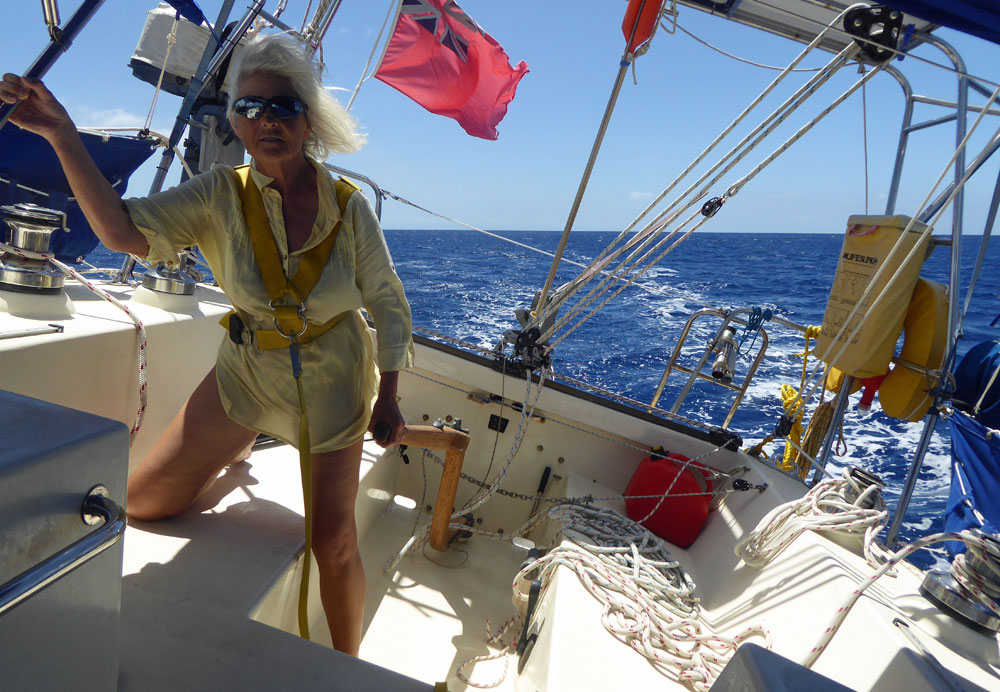 My wife Mary enjoying a spell on the helm of our wood-epoxy cutter, Alacazam
Table of Contents
- Why Offshore Sailors Still Choose a Tiller
- Hydrodynamics & Rudder Feel
- Ergonomics & Human Factors Offshore
- Heavy Weather Handlingr
- Balancing the Sail Plan for Tiller Control
- Autopilots, Windvanes, and Tiller Integration
- Maintenance, Reliability, & Failure Modes
- When a Wheel Might Still Be Better
- Summing Up
- FAQs
Why Offshore Sailors Still Choose a Tiller
There’s a reason many offshore sailors stick with a tiller even when a wheel seems like the more modern option. A tiller gives you direct, unfiltered feedback from the rudder. You’re not separated from the boat’s behaviour by cables, linkages, or hydraulics. You feel everything, and that connection helps you make better decisions.
On boats designed with tillers, the cockpit layout usually supports active helming. You’re close to the mainsheet, traveller, and headsail controls. You can shift your weight easily, brace yourself in rough conditions, and move between helming positions without stepping around a pedestal.
Most importantly, a tiller is simple. Offshore sailors appreciate simplicity because it means fewer failure points and easier repairs. If something goes wrong, you can usually fix it with basic tools and a bit of ingenuity.
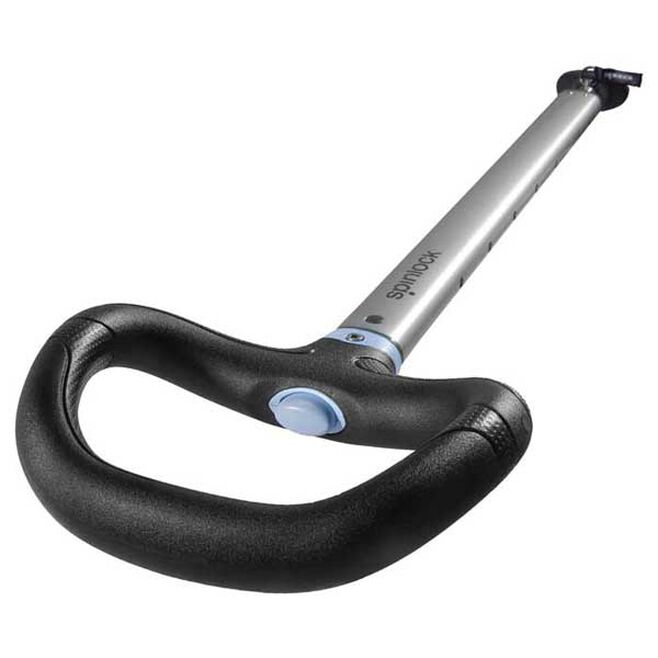
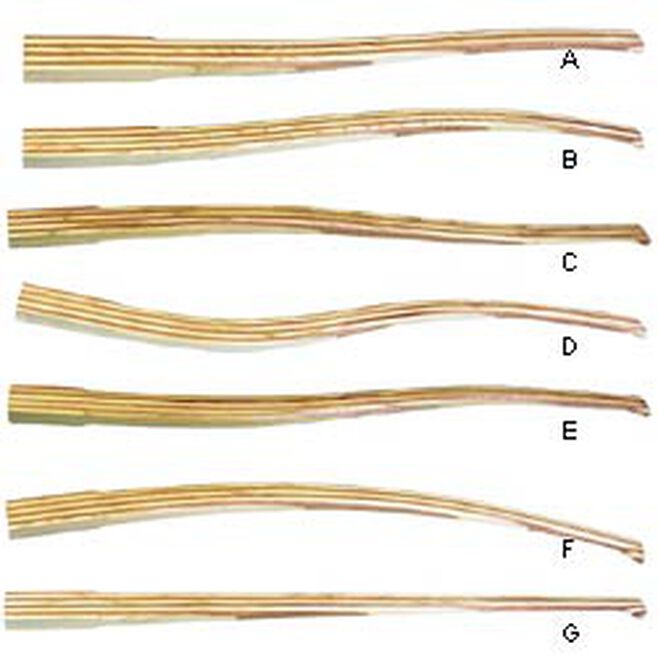
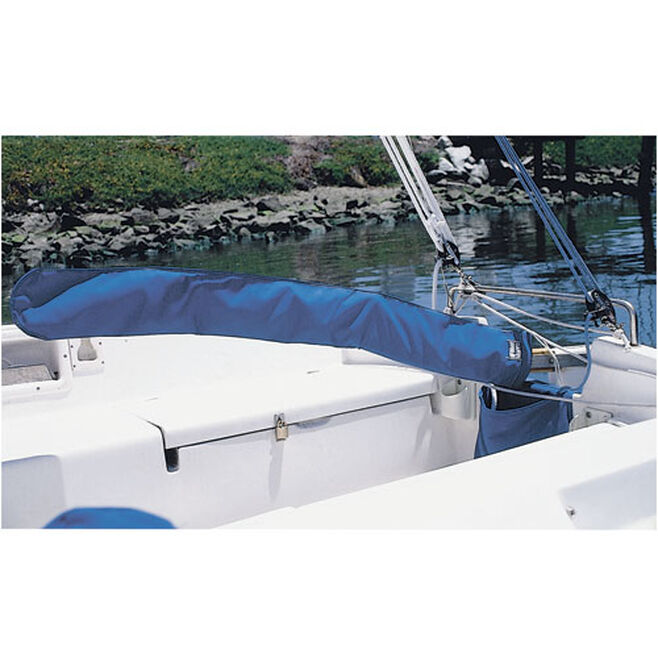
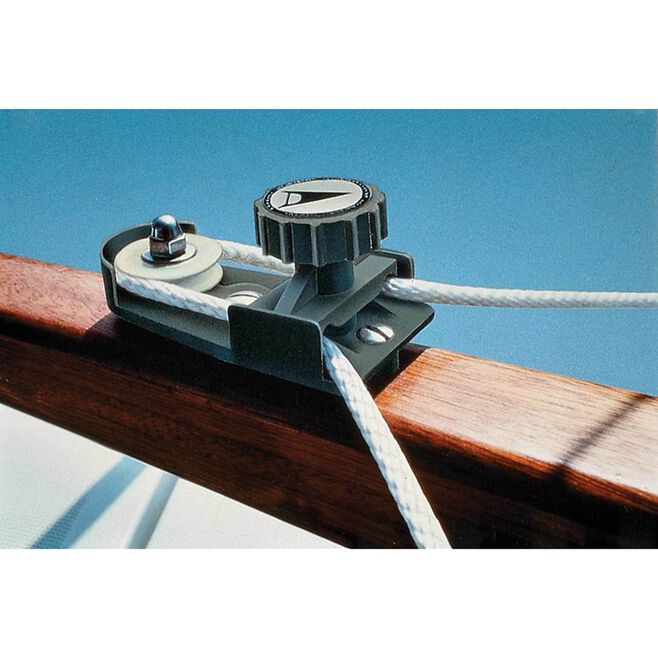
If you’re sailing with a tiller offshore, a few pieces of well chosen gear can make life easier, safer, and far more comfortable. These are the ones I trust.
UK readers: You can find tiller extensions and more at Gael Force Marine.
Affiliate links may be included on this page. They help support the site at no additional cost to you.
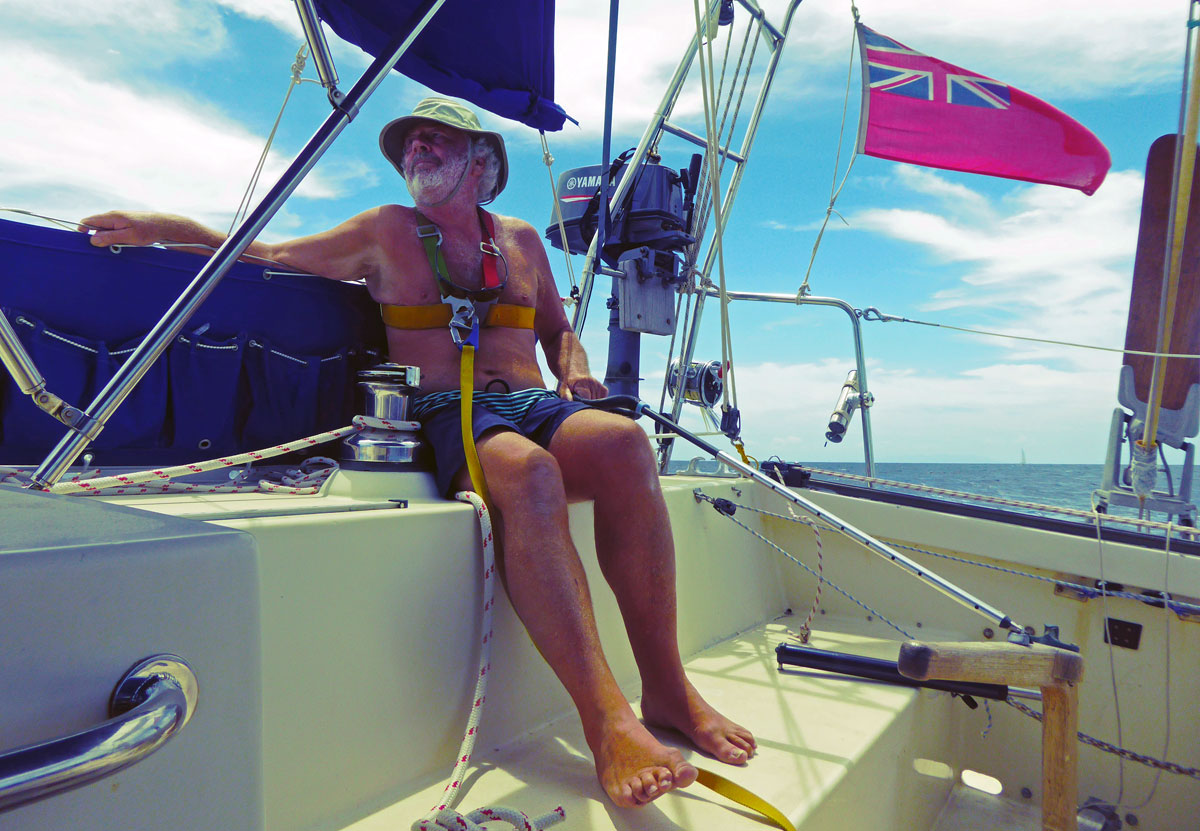 Yours truly hand-steering with the help of a Spinlock adjustable tiller extension, a highly recommended piece of kit
Hydrodynamics & Rudder Feel
The rudder is a foil, and the tiller is the most direct way to control that foil. When you steer with a tiller, you’re adjusting the angle of attack with immediate precision. You’ll feel the moment laminar flow breaks away, the onset of weather helm, and the subtle changes in pressure as waves strike the hull.
That sensitivity helps you steer more efficiently. You’ll make smaller corrections, reduce drag, and maintain better average speeds. When you’re running deep or sailing by the lee, the tiller gives you a clearer sense of how the boat wants to behave. It’s almost like having a conversation with the hull.
This is why many sailors say a tiller teaches you to trim properly. If the helm feels heavy, the boat’s telling you something. If it feels neutral, you’ve nailed the balance.
Ergonomics & Human Factors Offshore
Offshore helming isn’t just about physics. It’s about your body coping with long hours, fatigue, and changing conditions. A tiller gives you more freedom to move, shift position, and find a comfortable stance.
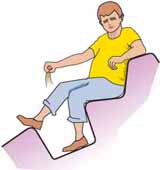
You can helm standing, sitting, perched on the windward side, or braced against the leeward coaming. That variety matters on long passages. It keeps your body from locking into one posture and helps you stay alert.
The cockpit also stays open. Without a wheel pedestal, you’ve got more space to move around, pass gear, or work lines. Crew handovers are easier because the tiller is right there, ready to be taken without stepping around anything.
It’s a more physical way to steer, but many sailors find that physicality reassuring. You’re part of the boat’s motion rather than a distant operator.
Heavy Weather Handling
Heavy weather is where tiller steering really proves its worth. When the boat is overpowered, loads increase quickly. A tiller shows those loads instantly. You’ll feel the boat trying to round up long before it becomes a fight. That early warning lets you reef sooner, adjust trim, or shift weight before things escalate.
When surfing down waves, a tiller gives you the precision to keep the boat under control. You can make quick, small corrections that prevent broaches and keep the boat tracking straight. The feedback is immediate, and that immediacy helps you stay ahead of the conditions.
In rough seas, the tiller becomes a kind of barometer. You’ll sense when the boat’s comfortable, when it’s stressed, and when it’s time to change something. That awareness is invaluable offshore.
Balancing the Sail Plan for Tiller Control
A tiller makes poor trim obvious. That’s one of its greatest strengths. If the helm feels heavy, the boat’s telling you to reef, flatten, or shift weight. If it feels neutral, the boat’s balanced and efficient.
This relationship between trim and feel encourages good habits. You’ll reef earlier, adjust traveller position more often, and pay closer attention to headsail shape. The tiller becomes a diagnostic tool that helps you keep the boat sailing efficiently.
Trim considerations include:
- Reefing early to reduce helm load
- Moving crew weight to maintain balance
- Adjusting sheet tension to keep the boat neutral
- Using the tiller’s feel as a guide
Autopilots, Windvanes, and Tiller Integration
Offshore sailors rely heavily on self‑steering systems, and tiller boats integrate beautifully with both electronic autopilots and mechanical windvanes. The simplicity of a tiller means every steering input, whether human or mechanical, goes straight to the rudder without passing through cables or hidden linkages. That directness is one of the reasons self‑steering works so well on boats designed around a tiller.
Windvanes perform best when helm loads are low and adjustments are small, and a tiller makes that possible. The connection between the vane and the helm is immediate, with no pedestal or quadrant to complicate things. You can attach or disconnect the vane in seconds, fine‑tune the sensitivity with a small tweak, and hand steer without fighting the gear. When the boat’s trimmed well, the tiller responds instantly to the vane’s corrections, keeping the boat on course with a quiet, almost effortless rhythm. It’s a wonderfully honest system, and many sailors find that a tiller and windvane together feel more natural than any electronic pilot.
Electronic tiller pilots complement this perfectly. They’re compact, efficient, and straightforward to replace. Many sailors carry a spare because it weighs little and takes up almost no space. If a pilot fails offshore, swapping it out is usually a matter of minutes. The transition between a windvane and a tiller pilot is seamless because both systems work from the same point of control. You can move between them without changing how you helm the boat, which is a real advantage on long passages.
Together, a tiller, a windvane, and a small autopilot create a flexible, redundant steering setup that suits offshore cruising exceptionally well. You get mechanical reliability, electronic convenience, and the ability to switch between systems as conditions change. Offshore, that kind of simplicity and resilience is worth its weight in gold.
Maintenance, Reliability, & Failure Modes
A tiller is almost impossible to ignore when something’s wrong. That’s a safety feature. You’ll notice play in the rudder head, looseness in the fittings, or wear in the tiller bolt long before it becomes dangerous.
Common issues include:
- Worn tiller bolts
- Delamination in wooden tillers
- Loose rudder head fittings
- Play in pintles or gudgeons on transom‑hung rudders
These problems are visible and easy to inspect. Repairs are usually simple, and you can often improvise a temporary fix at sea. A spare tiller can be lashed in place if needed.
Wheel systems hide problems behind pedestals, cables, and quadrants. When something fails, it’s often harder to diagnose and repair.
On the Water...
When going astern—backing into a marina berth for example—never have too much way on. If you do, the pressure of water on the rudder can take charge of the tiller which is likely to pin you against the cockpit coming. This will be extremely painful, will prevent you from steering the boat or reaching the throttle control, and will last long in your memory.
It happened to me once, in front of several interested onlookers in Jolly Harbour Marina, Antigua. I will never allow it to happen again.
When a Wheel Might Still Be Better
There are situations where a wheel is the more practical choice. Large boats with wide sterns often need the mechanical advantage of a wheel. Heavy displacement cruisers with deep rudders can generate loads that are uncomfortable on a tiller. Some sailors prefer the stability of a wheel when standing for long periods.
If you’re weighing the decision, the article on Wheel vs Tiller Steering provides a broader comparison.
Summing Up
Tiller steering remains one of the most capable, reliable, and honest steering systems for offshore sailors. It rewards skill, encourages good trim, and keeps you connected to the sea. For many sailors, that connection is the essence of passagemaking. A tiller isn’t old‑fashioned. It’s timeless.
FAQs
Is a tiller suitable for ocean crossings?
Is a tiller suitable for ocean crossings?
Yes. Many offshore boats under forty feet use tillers because they’re reliable, simple, and easy to repair.
Does a tiller make heavy‑weather steering harder?
Does a tiller make heavy‑weather steering harder?
No. It often makes it easier because you feel rudder load instantly and can react before problems escalate.
Can a tiller work with modern autopilots?
Can a tiller work with modern autopilots?
Absolutely. Tiller pilots are efficient, affordable, and integrate cleanly with windvanes.
Is a tiller uncomfortable on long passages?
Is a tiller uncomfortable on long passages?
Not if the boat’s trimmed well. Multiple helming positions reduce fatigue.
When should I choose a wheel instead?
When should I choose a wheel instead?
Choose a wheel for larger boats, heavy displacement hulls, or when steering loads exceed comfortable tiller forces.
Recent Articles


-
Should I Buy a Boat? Four Questions to Answer Before You Commit
Oct 02, 26 04:40 AM
Thinking "Should I buy a boat?" This guide helps you decide, with key considerations from cost & maintenance to your personal sailing aspirations. -
Offshore Internet with Starlink: Hardware, Plans, and Setup Guidance
Oct 01, 26 01:15 PM
A clear, practical guide to choosing the right Starlink hardware and plan for offshore cruising. Learn what to buy, how to install it, and how to manage power afloat. -
Offshore Liferaft Guide: Choosing, Stowing and Servicing One
Oct 01, 26 06:28 AM
Choosing an offshore liferaft? Learn what ISO 9650 Group A means, where to stow it, how often to service it and what to pack in the grab bag.