- Home
- Cruising Yachts 45' to 50'
- Beneteau First 45.6 Review
Beneteau First 45.6 Sailboat
Specs, Performance Analysis & Cruising Characteristics
Key Takeaways: The Beneteau First 45.6 (often catalogued as the First 456) is a German Frers–designed performance cruiser from the early to mid‑1980s that blends serious passagemaking ability with the pace and feel of an IOR‑era racer. It is quick, rewarding to helm and happiest when sailed properly trimmed, yet has enough volume and payload for extended cruising. The trade‑offs are typical of a performance‑leaning design: relatively deep draft on most examples, a cockpit and deck layout that reflect its racing heritage, and systems that are now several decades old. For an experienced skipper willing to refit and maintain an older composite hull, it can be a very capable bluewater or liveaboard platform.
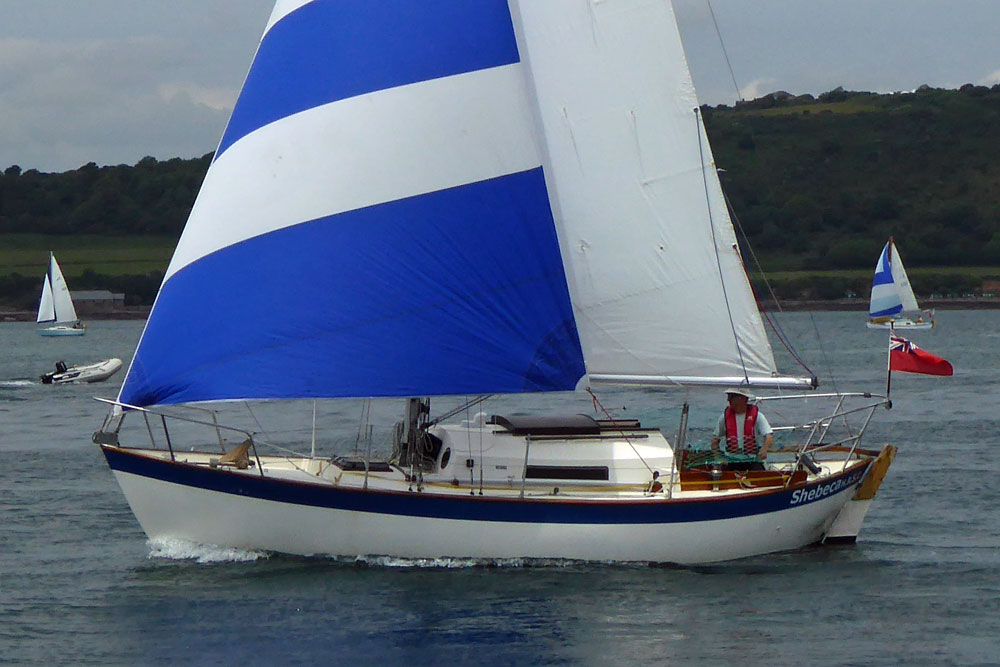
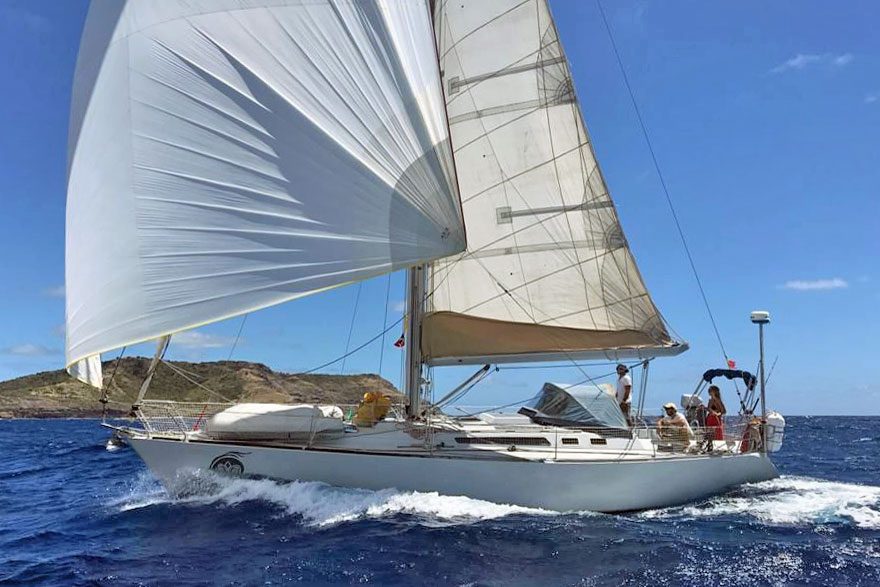 A Beneteau First 45.6
This one is for sale—see below...
Table of Contents
- The Beneteau First 45.6 at a Glance
- Design & Construction
- Published Specification: The Beneteau First 45.6 Blueprint
- Sail Areas & Rig Dimensions
- Performance Analysis: Understanding the Design Ratios
- How the Beneteau First 45.6 Sails
- Bluewater Capability: Strengths & Trade-Offs
- Configuration, Layout & Cruising Characteristics
- Who This Boat Is Best For
- The Buyer’s Checklist: Common Problem Areas
- Summing Up
- Frequently Asked Questions (FAQs)
The Beneteau First 45.6 at a Glance
- Type: Performance cruiser / IOR‑influenced racer‑cruiser
- Designer: German Frers
- Builder: Beneteau, France
- Production years: Early–mid 1980s (commonly listed as 1983–1987)
- Rig: Masthead sloop
- Best for: Experienced sailors wanting a fast passagemaker or performance‑oriented liveaboard
- Strengths: Strong sailing performance, good upwind ability, solid hull structure for its era, generous interior volume
- Trade‑offs: Age‑related refit needs, deep draft on many boats, racing‑biased cockpit ergonomics, original systems now well past mid‑life
Design & Construction
The First 45.6 sits in the classic period of Beneteau’s collaboration with German Frers, when the yard was building relatively light, performance‑oriented hulls with enough comfort to appeal to cruising owners. The hull form is typical of early‑1980s IOR thinking: fine entry, moderate beam carried well aft for the time, and a fairly deep fin keel with a separate spade rudder. The result is a boat that tracks well, points high and feels lively without being skittish.
Hull, deck & structure
The hull is glass‑reinforced plastic (GRP), built in solid laminate below the waterline with local reinforcement in way of keel, mast step and chainplates. The deck is typically a GRP moulding with a balsa or foam core in the flat panels to save weight and add stiffness. High‑load areas such as winch bases and hardware landings are usually locally reinforced and may be solid laminate.
The keel is a high‑aspect fin, cast iron or lead depending on specific build and market, bolted to a substantial keel stub. The rudder is a semi‑balanced spade on a stock supported by bearings at hull and quadrant level. On any boat of this age, keel bolts, backing plates and rudder bearings deserve careful inspection, but the underlying geometry is sound for offshore work.
Cabin windows on these boats are typically framed portlights rather than the large bonded hull windows seen on modern designs. That is good news from a structural and ageing perspective, though the aluminium frames and seals can suffer from corrosion and leaks after several decades.
Chainplates are usually stainless steel flat bars bolted to substantial glassed‑in frames or bulkheads within the hull structure, rather than being simply bonded into the laminate. Access to the chainplate attachments varies by interior layout, so it is worth checking how easily they can be inspected and removed for survey.
Variants & layouts
Across the production run you will find:
Keels:
- Standard deep fin (around 7'3" / 2.2 m)
- Occasional shoal‑draft versions in some markets (check individual specs carefully)
Rigs:
- Masthead sloop as standard
- Some boats carry removable inner forestays or baby stays added later for heavy‑weather or storm sails
Layouts:
- Three‑cabin, two‑heads “owner” style layout is common
- Four‑cabin charter‑leaning layouts exist, with more berths but less generous storage per person
- Linear or L‑shaped galley variants, depending on year and market
Published Specification: The Beneteau First 45.6 Blueprint
Typical published figures for the Beneteau First 45.6 / First 456 are:
- LOA: 45'6" (13.87 m)
- LWL: 38'1" (11.61 m)
- Beam: 13'11" (4.24 m)
- Draft (deep fin): approx. 7'3" (2.21 m)
- Displacement: approx. 24,250 lb (11,000 kg)
- Ballast: approx. 9,920 lb (4,500 kg)
- Rig type: Masthead sloop
- Hull material: GRP (fibreglass)
- Production dates: c. 1983–1987
These numbers can vary slightly between sources and individual boats, so always cross‑check against the original builder’s plate and documentation when surveying a specific yacht.
| Specification | Beneteau First 45.6 |
|---|---|
| LOA | 45'6" (13.87 m) |
| LWL | 38'1" (11.61 m) |
| Beam | 13'11" (4.24 m) |
| Draft (deep fin) | 7'3" (2.21 m) |
| Displacement | 24,250 lb (11,000 kg) |
| Ballast | 9,920 lb (4,500 kg) |
| Rig type | Masthead sloop |
| Hull material | GRP (fibreglass) |
| Production dates | c. 1983–1987 |
Sail Areas & Rig Dimensions
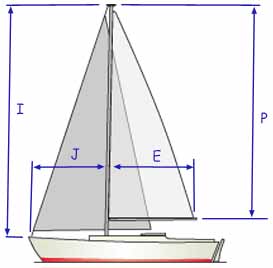 Rig dimensions
Typical published rig dimensions for the First 45.6 are:
- I: approx. 57.4' (17.50 m)
- J: approx. 17.7' (5.40 m)
- P: approx. 50.5' (15.40 m)
- E: approx. 15.7' (4.80 m)
From these, the standard working sail areas (main plus 100% foretriangle) are roughly:
- Mainsail area: about 396 ft2 (36.8 m²)
- Foretriangle (100%): about 572 ft2 (53.1 m²)
- Total working sail area: about 968 ft2 (90.0 m²)
Many boats will carry larger overlapping genoas and downwind sails, so the actual sail wardrobe on a given yacht may be significantly more powerful than the base numbers suggest.
Performance Analysis: Understanding the Design Ratios
Using the typical figures above, we can estimate the key design ratios:
- Displacement: 24,250 lb (11,000 kg)
- LWL: 38.1' (11.61 m)
- Beam: 13.9' (4.24 m)
- Ballast: 9,920 lb (4,500 kg)
- Sail area (main plus 100% foretriangle): 968 ft2 (90.0 m²)
Using the typical numbers, we get approximate values:
| Ratio | Value | What it suggests |
|---|---|---|
| SA/D | ≈ 18.3 | Lively performance cruiser with good power in light to moderate airs. |
| D/L | ≈ 196 | Moderate displacement; not ultra‑light, but quicker than traditional heavy cruisers. |
| B/D | ≈ 41% | Reasonable stiffness and righting moment for a performance‑leaning design. |
| CSF | ≈ 1.9 | Below the commonly cited 2.0 threshold; favourable for offshore work. |
| Comfort Ratio | ≈ 28 | Moderate motion; more comfortable than light racers, livelier than heavy cruisers. |
Interpreting the numbers
- SA/D around 18: Suggests a boat that will sail properly in lighter airs without needing constant engine use, yet will not be unmanageable for a competent crew as the breeze builds, provided reefing is timely.
- D/L just under 200: Puts the First 45.6 in the moderate displacement band. It can carry cruising stores without becoming a slug, but if you overload it with gear and tanks, performance will suffer.
- B/D around 41%: Indicates a reasonably stiff boat for its era, especially when combined with the deep fin keel. It will stand up to its canvas better than many pure cruisers of similar size.
- CSF under 2.0: Often taken as a positive indicator for offshore work, suggesting a lower tendency to capsize in beam seas compared with beamy, light designs.
- Comfort ratio around 28: This is not a soft, slow‑rolling heavy displacement cruiser, but it is also not a harsh, ultra‑light flyer. Motion will be active but acceptable for experienced crews on passage.
For more on this topic, you might want to take a look at Understanding Boat Performance & Design Ratios...
How the Beneteau First 45.6 Sails
Underway, the First 45.6 feels like what it is: a big, purposeful performance yacht from the IOR era. Upwind, the fine entry and deep keel give good bite, and the boat will reward careful trimming with a high pointing angle and solid speed. In flat water and 12–18 knots of breeze, you can expect confident progress and a helm that feels positive without being heavy.
As the wind builds, the key is to reef early and keep the boat on its feet. With its relatively generous rig and moderate displacement, carrying full canvas too long will lead to weather helm and a more tiring motion. Once reefed appropriately, it settles down and will punch to windward in a seaway better than many modern wide‑stern cruisers.
Off the wind, the hull shape and spade rudder give good control, but you are still sailing a 1980s design with a fairly pinched stern by modern standards. It will surf in the right conditions but is not a planing sled. With a symmetric spinnaker or a modern asymmetric on a pole or bowsprit, it will cover miles efficiently on broad reaches. Downwind in stronger conditions, the rudder has enough authority to keep things under control if the helmsman stays alert.
Short‑handed, the boat is manageable but not trivial. Primary winches are well placed, and many examples have been updated with modern self‑tailers and rope clutches. A sensible reefing plan, reliable autopilot and thought‑through line leads are essential if you plan to sail as a couple. The boat rewards active sailing rather than set‑and‑forget cruising.
Bluewater Capability: Strengths & Trade-Offs
From a bluewater perspective, the First 45.6 sits in the “fast cruiser” camp rather than the traditional heavy long‑keeler bracket. That brings both advantages and compromises.
Strengths:
- Speed: The ability to maintain higher average speeds reduces time at sea and exposure to bad weather windows.
- Upwind ability: When you have to punch to windward, the hull and keel design work in your favour.
- Structure for its era: Solid laminate hull, substantial keel stub and proper internal framing give a good foundation, assuming age‑related issues are addressed.
Trade‑offs:
- Tankage: Original fuel and water capacities are adequate rather than generous for long‑range liveaboard use. Many owners add flexible tanks or extra storage.
- Load carrying: The design will carry cruising stores, but if you load it like a heavy displacement cruiser, you will blunt its performance and raise the waterline.
- Deck safety: Side decks are reasonably wide, but the cockpit is more race‑influenced than modern centre‑cockpit cruisers. Adding extra handholds, jackstays and non‑skid patches is sensible for ocean work.
With sensible upgrades (storm sails, inner forestay, robust autopilot, renewed rigging, upgraded seacocks and through‑hulls), the First 45.6 has been used successfully for ocean crossings and extended cruising. It suits skippers who value getting passages done at a good clip and are comfortable with a more active sailing style.
Configuration, Layout & Cruising Characteristics
On deck, the cockpit is long and relatively open, with wheel steering and primary winches within reach of the helm on many boats. Traveller and mainsheet arrangements vary; some boats have the traveller in front of the companionway, others further aft. Either way, it is a layout that reflects the boat’s racing heritage, with good ergonomics for trimming but less of the “cockpit as patio” feel of modern cruisers.
Side decks are reasonably wide, with shrouds typically taken to the deck edge. Stanchion bases, pulpits and pushpits should be checked carefully for corrosion and movement, as with any yacht of this age. The foredeck is generous enough for sail handling and anchoring, though many owners now fit electric windlasses and upgraded ground tackle for serious cruising.
Below, the First 45.6 feels like a proper yacht rather than a floating apartment. Expect:
Saloon: A large central table with settees, good for off‑watch berths as well as social space.
Galley: Usually along one side, with decent worktop space, gimballed cooker and reasonable stowage. For offshore use, adding extra fiddles and secure stowage for heavy items is wise.
Cabins: A generous forward cabin and one or two aft cabins, depending on layout. Berths are generally long enough for taller crew.
Heads: Typically two, one forward and one aft, with simple GRP mouldings that are easy to clean but now likely to need updated plumbing and fittings.
Storage: Plenty of lockers and under‑berth spaces, though some are awkward to access at sea. For liveaboard use, careful organisation and perhaps some custom joinery can make a big difference.
Ventilation is reasonable for a boat of this era, with opening hatches and portlights, but in hotter climates many owners add fans and, occasionally, air‑conditioning. Insulation is basic, so in colder waters a good heating system is a worthwhile upgrade.
Who This Boat Is Best For
Good fit for:
- Experienced sailors who enjoy trimming sails and sailing the boat properly rather than motoring when the wind is marginal.
- Bluewater‑minded owners who want a faster passagemaker and are comfortable managing a more performance‑oriented hull.
- Liveaboard couples or small families who value sailing ability and are willing to invest in a thoughtful refit.
Less ideal for:
- First‑time owners looking for a forgiving, low‑maintenance coastal cruiser.
- Shallow‑water sailors in areas where a 7'3" (2.21 m) draft is a constant headache.
- Owners wanting a low‑energy, heavy‑motion boat that will simply plod along regardless of trim and sail choice.
A used example for sale
The Beneteau First 45.6For full details and many internal and external pics, click here...
The Buyer’s Checklist: Common Problem Areas
On a survey or pre‑purchase inspection, pay particular attention to:
Keel & keel bolts:
- Check for any signs of grounding damage, cracking around the keel‑to‑hull joint and corrosion on keel bolts and backing plates.
Rudder & bearings:
- Look for play in the bearings, moisture ingress in the rudder blade and any signs of previous repairs.
Rig & chainplates:
- Standing rigging on a boat of this age should have been replaced at least once; if not, budget for a full re‑rig.
- Inspect chainplates and their attachments for crevice corrosion and movement.
Deck core & hardware landings:
- Tap‑test around deck fittings, stanchion bases and winches for signs of core degradation or moisture.
Portlights & hatches:
- Original aluminium‑framed portlights often leak after decades; rebedding or replacement is common.
Engine & systems:
- Many boats will still have original or older replacement engines. Check hours, service history, mounts, exhaust system and fuel tanks.
Electrical system:
- Original wiring and panels may be overloaded by modern additions. A partial or full rewire is a common refit item.
Interior joinery:
- Look for signs of leaks, staining, delamination of veneers and loose sole boards.
Typical refit costs (very broad ballpark)
Actual numbers vary hugely by yard and country, but as a rough sense of scale for a 45‑foot boat:
Standing rigging replacement: Often in the low to mid five‑figure range in £.
New sails (main plus genoa): Similar order of magnitude, depending on cloth and cut.
Electronics upgrade: From a few thousand pounds for basic instruments and plotter to much more for full systems.
Engine replacement: A major item, often mid five‑figures once installation, exhaust, controls and ancillaries are included.
Deck hardware & winch overhaul: Highly variable; budget a contingency rather than a fixed figure.
The key is to look at the whole package: a well‑maintained, sensibly upgraded First 45.6 can be far better value than a cheaper example that needs everything doing at once.
Could this be your ideal cruising boat?
It may well be, but before going any further, it might be worth taking a look at my eBook 'How to Avoid Buying the Wrong Sailboat'...
Summing Up
The Beneteau First 45.6 is not a soft, slow, traditional cruiser, nor is it a fragile, stripped‑out racer. It sits in a useful middle ground: a performance‑leaning cruiser with enough structure and volume to make serious passages in comfort, provided it is maintained and sailed with some care.
The design ratios show a boat with a healthy sail plan, moderate displacement and reassuring stability figures. On the water, that translates into good upwind ability, respectable passage speeds and a motion that is active but manageable for crews who know what they are doing. The trade‑offs are mostly about age and intent: you are buying a forty‑year‑old composite yacht that will need ongoing attention to rig, systems and fittings, and you are signing up for a boat that expects to be sailed, not just driven.
For the right owner, that is exactly the appeal. If you want a capable, rewarding 45‑footer that can cross oceans, cruise quickly and still feel engaging on a breezy afternoon, the First 45.6 deserves a serious look.
 DMcC
DMcCThis article was written by Dick McClary, RYA Yachtmaster and author of the RYA publications 'Offshore Sailing' and 'Fishing Afloat', member of The Yachting Journalists Association (YJA), and erstwhile member of the Ocean Cruising Club (OCC).

Frequently Asked Questions (FAQs)
1. Is the Beneteau First 45.6 suitable for ocean crossings?
1. Is the Beneteau First 45.6 suitable for ocean crossings?
Yes, many examples have completed Atlantic and longer passages. With renewed rigging, sound keel and rudder, upgraded systems and appropriate sails, it is a credible bluewater platform for experienced crews.
2. How does the First 45.6 compare to heavier bluewater cruisers of similar size?
2. How does the First 45.6 compare to heavier bluewater cruisers of similar size?
It will generally be faster, especially upwind and in lighter airs, but will have a livelier motion and less tankage than a true heavy displacement cruiser. It suits sailors who prefer to sail actively and value shorter passage times.
3. What are the biggest age‑related concerns on these boats today?
3. What are the biggest age‑related concerns on these boats today?
Keel bolts, rudder condition, standing rigging, deck core around fittings, original portlights and ageing engines are the headline items. Electrical systems and plumbing also often need modernising.
4. Can a couple handle a First 45.6 short‑handed?
4. Can a couple handle a First 45.6 short‑handed?
Yes, many are sailed by couples, but it requires sensible sail choices, good autopilot, well‑organised deck gear and a crew comfortable with handling a powerful 45‑footer. Converting to modern self‑tailing winches and adding line organisers helps a lot.
5. How does it perform in light airs?
5. How does it perform in light airs?
The SA/D around the high teens means it will sail in lighter winds better than many heavier cruisers, especially with a decent genoa or light‑air headsail. Keeping the hull clean and the sail wardrobe in good condition makes a noticeable difference.
6. Are there shoal‑draft versions, and are they worth considering?
6. Are there shoal‑draft versions, and are they worth considering?
Some markets saw shallower keels. They improve access in thin‑water areas but reduce pointing ability and stiffness compared with the deep fin. For serious offshore work, most buyers prefer the standard deep keel unless draft is a hard constraint.
Recent Articles


-
Should I Buy a Boat? Four Questions to Answer Before You Commit
Oct 02, 26 04:40 AM
Thinking "Should I buy a boat?" This guide helps you decide, with key considerations from cost & maintenance to your personal sailing aspirations. -
Offshore Internet with Starlink: Hardware, Plans, and Setup Guidance
Oct 01, 26 01:15 PM
A clear, practical guide to choosing the right Starlink hardware and plan for offshore cruising. Learn what to buy, how to install it, and how to manage power afloat. -
Offshore Liferaft Guide: Choosing, Stowing and Servicing One
Oct 01, 26 06:28 AM
Choosing an offshore liferaft? Learn what ISO 9650 Group A means, where to stow it, how often to service it and what to pack in the grab bag.