- Home
- Anchoring
- Picking Up a Mooring
- Can You Trust That Mooring
Can You Trust That Mooring? A Skipper's Checklist for Vetting Visitors' and Private Buoys
Dropping anchor may not always be practical. Harbours fill up, anchorages become crowded, and in many cruising areas a visitors' or private mooring buoy can seem like the ideal solution. But before trusting your boat to an unfamiliar mooring, it's worth remembering one uncomfortable truth:
The buoy on the surface tells you almost nothing about what's happening underneath.
Many moorings are professionally installed and regularly maintained. Others may have been laid decades ago, altered by previous owners, damaged by storms, or simply neglected. A shiny buoy and a sturdy-looking pickup pendant can conceal badly worn chains, corroded shackles or inadequate seabed anchors.
Whether you're planning to leave the boat for a few hours, overnight, or for several days while ashore, a systematic assessment can help you decide whether the mooring deserves your trust.
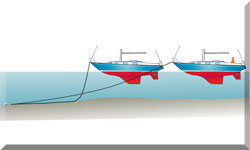
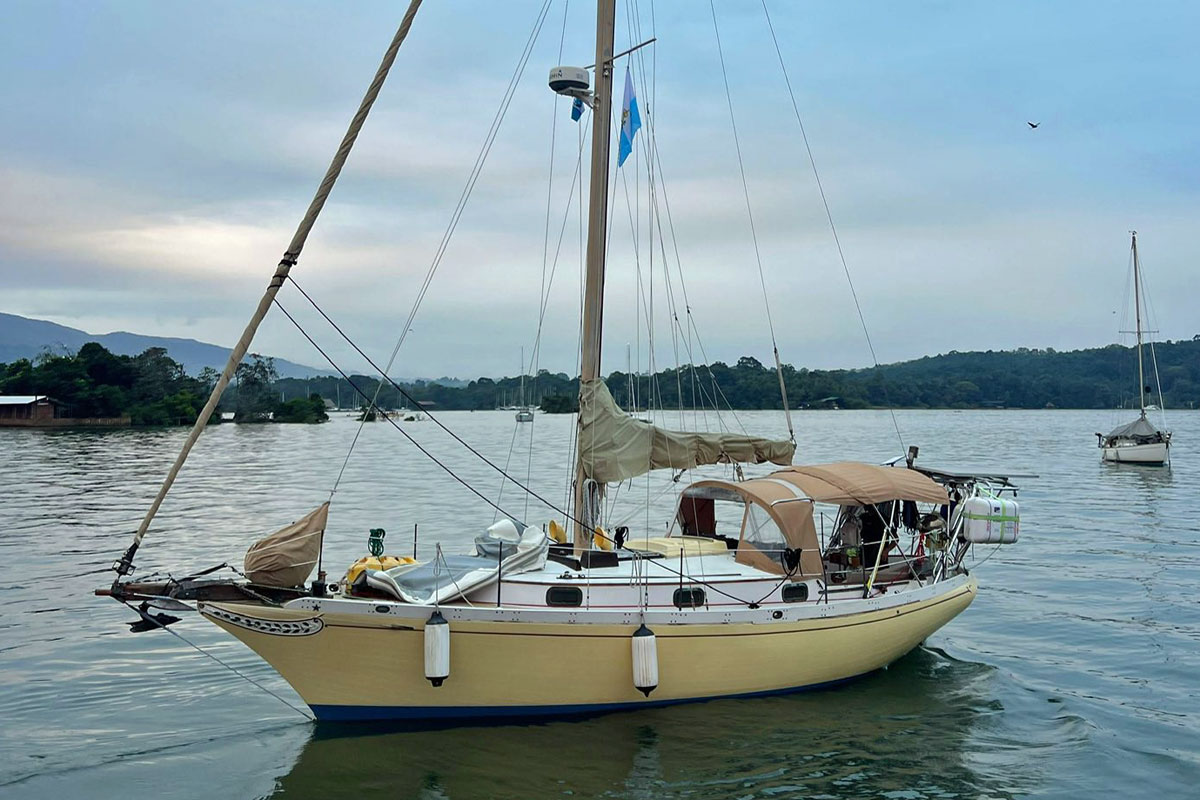
 Would you trust this mooring?
The Golden Rule
Treat every unfamiliar mooring as unproven until you've assessed it.
The consequences of getting it wrong can be severe:
- Grounding
- Collision with nearby boats
- Damage to your own vessel
- Insurance complications
- Danger to life in extreme conditions
While you'll rarely be able to inspect the entire system, you can often gather enough evidence to make a sensible judgement.
Step 1: Find Out Who Owns and Maintains It
The first question isn't about the mooring itself.
It's about the people responsible for it.
Ask:
- Is it a recognised visitors' mooring?
- Is it maintained by a harbour authority?
- Does it belong to a yacht club?
- Is it privately owned?
- When was it last inspected?
A harbour-master, marina office or local yacht club can often provide valuable information.
Be particularly cautious if:
- Nobody knows who owns it.
- Maintenance records are unavailable.
- Local sailors avoid using it.
- It appears abandoned.
A well-maintained mooring with documented inspections is usually a much safer proposition than an anonymous buoy of unknown origin.
Step 2: Assess the Buoy Itself
The buoy won't tell you everything, but it can reveal clues about the care the mooring receives.
Look for:
Positive Signs
- Good-quality buoy construction
- Recent paint or markings
- Clearly visible identification numbers
- Solid pickup strop
- Professional-looking fittings
Warning Signs
- Cracked or damaged buoy
- Partially submerged float
- Heavy marine growth
- Frayed lines
- Missing pickup pendant
- Rust stains around fittings
A neglected buoy often indicates neglected underwater tackle.
Step 3: Consider the Size of Boat It Was Intended For
One of the most common mistakes is assuming a mooring suitable for one boat is suitable for another.
If possible, determine:
- Maximum recommended boat length
- Maximum displacement
- Local authority limits
- Past users
As a rough guide, a mooring laid for a 25-foot yacht may be completely inadequate for a heavily laden 40-footer.
When in doubt, ask local knowledge rather than rely on assumptions.
Step 4: Inspect the Visible Hardware
Use binoculars if necessary.
Examine:
- Shackles
- Pickup rings
- Thimbles
- Swivels
- Connecting links
- Pendants and strops
Watch for:
- Significant corrosion
- Bent fittings
- Distorted shackles
- Missing mousing wire
- Excessive wear grooves
Even without diving below the surface, worn hardware often indicates similar deterioration deeper in the system.
Step 5: Check the Pendant or Pickup Strop
Many mooring failures occur in the upper section exposed to sunlight, chafe and constant movement.
Inspect for:
- Chafe
- UV degradation
- Stiffness
- Broken strands
- Corrosion within splices
- Loose whipping
If you're uncertain, use your own mooring strop as a backup.
Many prudent skippers rig a second independent line whenever practical.
Step 6: Observe How the Mooring Behaves
Once secured, spend a few minutes watching.
A healthy mooring usually behaves predictably.
Look for:
- Smooth movement with wind and tide
- Adequate swinging room
- No unusual jerking loads
- No signs of dragging
Warning signs include:
- Sudden snatching
- Excessive movement
- Buoy disappearing below the surface
- Chain rumbling or scraping noises
These may indicate an overloaded or poorly configured mooring.
Step 7: Evaluate the Swinging Room
A perfectly strong mooring can still be dangerous if boats are packed too closely together.
Consider:
- Your boat's length overall
- Nearby vessels
- Wind shifts
- Tidal changes
- Scope of neighbouring moorings
Make sure your boat can complete a full swing without collision risk.
Remember that neighbouring boats may:
- Have different keel types
- Swing differently
- Ride at different rates to wind and tide
Step 8: Think About the Forecast
A mooring that appears perfectly adequate in calm weather may become questionable in stronger conditions.
Ask yourself:
- What's the strongest expected wind?
- Will conditions become exposed?
- Is there significant fetch?
- Could swell enter the harbour?
The more severe the forecast, the higher your confidence level should be before leaving the boat unattended.
When strong weather is expected, relocation to a marina berth or sheltered anchorage may be the safer option.
Step 9: Dive or Inspect Underwater if Appropriate
If you own the mooring or plan to use it regularly, underwater inspection provides valuable information.
Look for:
- Chain wear
- Corrosion
- Damaged swivels
- Buried ground chain
- Worn shackles
- Condition of the sinker or anchor
Many long-term cruising sailors schedule routine underwater inspections of frequently used private moorings.
Step 10: Use Redundancy Whenever Possible
Experienced skippers rarely rely on a single point of failure.
Good practice includes:
- Two independent mooring strops
- Chafe protection
- Separate attachment points
- Backup lines where possible
Redundancy can prevent a minor failure becoming a major incident.
Quick Mooring Assessment Checklist
| Item | Check |
|---|---|
| Ownership known | ✓ |
| Maintenance history available | ✓ |
| Buoy in good condition | ✓ |
| Hardware shows little wear | ✓ |
| Pendant/strop sound | ✓ |
| Suitable for boat size | ✓ |
| Forecast acceptable | ✓ |
| Adequate swinging room | ✓ |
| No unusual movement under load | ✓ |
| Backup strop rigged | ✓ |
Red Flags That Should Make You Leave
Some moorings simply aren't worth the risk.
Consider moving elsewhere if:
- The buoy appears abandoned.
- The pickup strop is badly worn.
- Hardware shows severe corrosion.
- Nobody knows who maintains it.
- Strong weather is forecast.
- Swinging room is inadequate.
- The mooring appears undersized for your boat.
There is rarely any shame in rejecting a suspect mooring.
There can be considerable regret in trusting one.
Final Thoughts
A visitors' or private mooring can provide a convenient and secure alternative to anchoring, but only when you have reasonable confidence in its condition and suitability. The buoy itself is merely the visible tip of a system that may extend several metres below the surface.
Good seamanship means approaching every unfamiliar mooring with healthy scepticism, evaluating the available evidence, and adding redundancy wherever possible.
The aim is not to prove the mooring is perfect. That's often impossible.
The aim is to be satisfied that it is sufficiently strong, properly maintained and appropriate for your boat and the conditions expected while you're attached to it.
Recent Articles


-
Can You Trust That Mooring? A Checklist for Vetting Private Buoys
Nov 22, 26 01:54 PM
Before you leave your boat unattended on a private or visitors' mooring, use this practical skipper's checklist to assess whether the buoy, tackle and location are up to the job. -
Wind Against Tide: Safe Mooring Pick-Up in Challenging Conditions
Nov 22, 26 10:55 AM
Learn how wind-against-tide conditions affect your sailboat and discover proven techniques for picking up a mooring safely and confidently. -
How to Pick Up a Mooring Single-Handed Using the Line-Led-Aft Method
Nov 22, 26 07:10 AM
Learn how to pick up a mooring single-handed using the line-led-aft method. A safe, controlled step-by-step technique that avoids risky foredeck manoeuvres.