- Home
- Sailboats 50'-55'
- Discovery 55 Centre‑cockpit Deck‑saloon Bluewater Cruising Yacht Buyer’s Guide
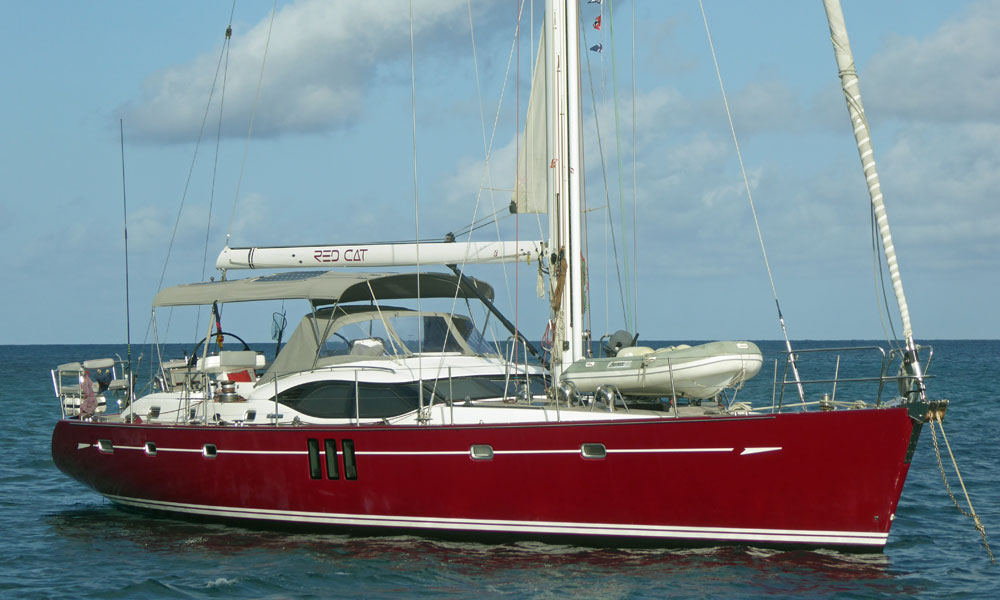
The Discovery 55 Sailboat
Specs & Key Performance Indicators
Key Takeaways: The Discovery 55 is a British, centre‑cockpit, raised‑saloon cruiser designed by Ron Holland for long‑distance passagemaking by a couple or small crew. It sits in the same broad niche as Oyster and similar Northern European bluewater yachts: substantial displacement, high ballast ratio, generous tankage and a systems‑heavy fit‑out aimed at comfort on passage rather than marina posing. Under sail it is moderate rather than sprightly, rewarding steady breeze and thoughtful sail selection. The trade‑offs are weight, complexity and refit cost, plus the lack of factory support since the original yard closed. For experienced offshore sailors who value a protected cockpit, an inside watchkeeping position and serious autonomy, it remains a compelling platform; for those wanting simple systems or low‑budget ownership, it is less suitable.
 The Discovery 55
Table of Contents
- The Discovery 55 at a Glance
- Design & Construction
- Published Specification: The Discovery 55 Blueprint
- Sail Areas & Rig Dimensions
- Performance Analysis: Understanding the Design Ratios
- How the Discovery 55 Sails
- Bluewater Capability: Strengths & Trade-Offs
- Configuration, Layout & Cruising Characteristics
- Who This Boat Is Best For
- The Buyer’s Checklist: Common Problem Areas
- Summing Up
- Frequently Asked Questions (FAQs)
The Discovery 55 at a Glance
- Type: Centre‑cockpit, raised‑saloon bluewater cruising monohull
- Designer: Ron Holland
- Builder: Discovery Yachts (Southampton, UK)
- Production Years: 2000–2021 (roughly 50–52 hulls; Mk II from around 2014)
- Rig: Masthead sloop, commonly set up as a cutter with self‑tacking inner jib
- Best for: Experienced couples or small crews planning extended offshore cruising and liveaboard life
- Strengths: High ballast ratio, comfortable motion, protected cockpit, deck‑saloon watchkeeping, serious tankage, shorthanded sail handling
- Trade‑offs: Complex systems, high refit budgets, moderate light‑air performance, yard no longer in operation, survey and maintenance history absolutely critical
Design & Construction
Ron Holland’s brief for the Discovery 55 was straightforward: a fibreglass deck‑saloon cruiser that a couple could sail around the world without needing extra crew. The hull is GRP with a fin keel carrying a lead bulb and a skeg‑hung rudder, giving a blend of directional stability and protection without going to a full keel. Sections are fairly U‑shaped forward with a broad waterline beam and modest deadrise aft, aiming for a steady, predictable motion rather than twitchy responsiveness.
The deck‑saloon structure is substantial, with large windows and an internal helm/navigation position. Early boats (often referred to as Mk I) have the original window pattern and deck moulding; the Mk II, introduced around 2014, retains the same hull but moves to a one‑piece deck moulding with sleeker coachroof styling, flush hatches and revised window mullions, plus vertical hull windows in the aft cabin on some examples.
Cabin windows in the saloon are bonded into the moulding rather than being through‑bolted frames, which gives a clean exterior but makes long‑term adhesion and seal condition an important survey item. Chainplates are integrated into the structure and effectively bonded/laminated into the hull and deck, rather than being simple bolted strap fittings; this is structurally sound when new, but any moisture ingress around the chainplate zones needs careful mapping because repairs are more involved than swapping a bolt‑on fitting.
Keel options include the standard deep fin drawing about 7'4" (2.23 m) and a shoal‑draft version around 5'11" (1.80 m), aimed at cruising grounds with shallower anchorages. Most boats are masthead sloops with a cutter‑style headsail arrangement: a self‑tacking inner jib and a furling genoa, often combined with in‑mast furling for the main and powered winches to keep handling manageable for a couple. Layouts vary, but the pattern is consistent: centre cockpit, raised saloon with internal watchkeeping, large aft owner’s cabin, and flexible guest cabin arrangements forward.
As a modern European cruising yacht of this size, the Discovery 55 is built to CE standards and is generally understood to sit in Design Category A (Ocean). A specific published STIX numerical value for the model is not readily available in public sources, so it is not quoted here; buyers should expect the original owner’s manual and CE documentation to confirm the boat’s category and stability assessment for the individual hull.
Published Specification: The Discovery 55 Blueprint
| Specification | Value |
|---|---|
| LOA | 54'9" (16.70 m) |
| LWL | 49'3" (15.00 m) |
| Beam | 15'8" (4.78 m) |
| Draft (standard) | 7'4" (2.23 m) |
| Draft (shoal option) | 5'11" (1.80 m) |
| Displacement | 49,604 lb (22,500 kg) |
| Ballast | 20,944 lb (9,500 kg) lead |
| Rig Type | Masthead sloop (often cutter‑configured) |
| Hull Material | GRP (fibreglass) monohull |
| Production Dates | 2000–2021 (Mk II from ~2014) |
| Engine (typical) | Yanmar diesel, ~160 hp |
| Fuel Capacity | 352 US gal (1,334 L) |
| Water Capacity | 266 US gal (1,008 L) |
Sail Areas & Rig Dimensions
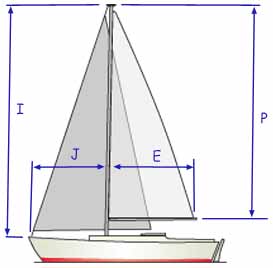 Rig dimensions
- I: 71.62' (21.83 m)
- J: 20.37' (6.21 m)
- P: 63.42' (19.33 m)
- E: 22.24' (6.78 m)
- Mainsail area (triangular): 705ft2 (66m²)
- Self‑tacking jib (inner): 729ft2 (68m²)
- Total (main + self‑tacking jib, reported): 1,237ft2 (115m²)
- Alternative with 140% furling genoa: about 1,434ft2 (133m²)
Most cruising examples carry a twin‑headsail arrangement: a self‑tacking blade jib on the inner forestay and a larger furling genoa on the outer, often combined with in‑mast furling and powered winches to keep reefing and trimming manageable from the centre cockpit.
Performance Analysis: Understanding the Design Ratios
| Ratio | Value | Practical Interpretation |
|---|---|---|
| Sail Area / Displacement (SA/D) | ≈14.7 (reported) / ≈17.1 (100% foretriangle) | Moderate power: prefers a bit of breeze; not a light‑air flyer but capable once the wind fills in. |
| Displacement / Length (D/L) | ≈186 | Light‑to‑moderate displacement for a bluewater cruiser, giving a steady motion and reasonable speed without feeling sluggish. |
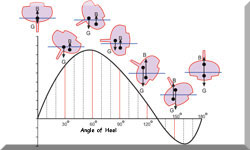
| Ballast / Displacement (B/D) | ≈42% | Stiff boat that stands up to its rig, with strong initial and secondary stability for ocean passages. |
| Capsize Screening Formula (CSF) | ≈1.71 | Comfortably below the 2.0 threshold often used for offshore suitability, indicating good resistance to capsize. |
| Brewer Motion Comfort Ratio | ≈38.6 | High comfort score for this size, suggesting a slower, more forgiving motion that many crews appreciate on long passages. |
Taken together, these ratios paint a picture of a substantial but not excessively heavy cruiser: enough sail to keep passages moving, plenty of ballast for stiffness, and a motion profile aimed at keeping crew functional rather than exhausted.
For more on this topic, you might want to take a look at Understanding Boat Performance & Design Ratios...
How the Discovery 55 Sails
Upwind, the Discovery 55 rewards proper trim and a bit of patience. With the standard deep keel she tracks well and points respectably, though she is not a narrow‑hulled racer. The cutter arrangement allows you to carry the inner jib in rising breeze while rolling away genoa area, keeping the centre of effort low and close to the mast. Owners report that once the apparent wind is above the mid‑teens, she settles into a steady groove at around hull speed, with a reassuring heel angle and a firm but not heavy helm.
Downwind, the twin‑headsail rig comes into its own. Many Discovery 55s have been run across the trades under twin poled headsails, leaving the main furled and reducing the risk of accidental gybes. The raised saloon and centre cockpit keep the watchkeeper sheltered, and the boat’s weight helps it shoulder aside a seaway rather than skittering. In lighter airs, the moderate SA/D means you will often choose to motor‑sail, particularly if loaded for long‑term cruising.
Helm feel is generally described as positive and predictable. The skeg‑hung rudder gives good directional stability, and the balance area keeps loads manageable on the wheel. With electric or hydraulic furling and powered winches, reefing is usually done from the cockpit, which suits shorthanded crews but adds mechanical complexity. Motion is steady rather than lively; the comfort ratio and hull form mean the boat tends to roll and pitch slowly, which many ocean sailors prefer when they are living aboard for weeks at a time.
Bluewater Capability: Strengths & Trade-Offs
The Discovery 55 was conceived as a bluewater cruiser, and the fundamentals support that role. Tankage is generous: roughly 352 US gal (1,334 L) of fuel and 266 US gal (1,008 L) of water, giving genuine autonomy for ocean passages and remote cruising grounds. The centre cockpit is deep and well protected, with good coaming height and sensible ergonomics for watchkeeping and sail handling. The raised saloon offers an inside watch station with wide visibility, which is a major plus on cold or wet passages.
Load‑carrying capacity is substantial. The hull and structure were sized around the gear list of a serious passagemaking couple, so the boat tolerates the usual accumulation of spares, tools, extra anchors and cruising kit without becoming overwhelmed. The high ballast ratio and hull form give strong righting moments, and the CSF figure sits comfortably in the offshore‑friendly band. Deck safety is generally good: wide side decks, solid guardrails, and sensible handholds, though the raised saloon and window areas mean you need to be disciplined about keeping hatches and vents secured in heavy weather to avoid downflooding risk.
The trade‑offs are mostly about complexity and age. These boats are dense with systems: electric furling, powered winches, sophisticated electrical installations, often multiple heating systems and high‑spec navigation suites. That is wonderful when everything is maintained, but it raises the stakes for refits and ongoing care. With the original yard gone and no factory support since around 2022, expertise now sits with specialist yards and brokers rather than a central manufacturer. Buyers must treat maintenance history as part of the specification, not an afterthought.
Configuration, Layout & Cruising Characteristics
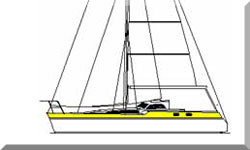
On deck, the Discovery 55 is built around a centre cockpit with a substantial coaming and a fixed windscreen or sprayhood on many boats. Primary winches are within reach of the helm, and sheet leads are arranged to keep lines tidy and minimise trips across the cockpit. Side decks are reasonably wide, with shrouds taken to the deck edge and solid guardrails. The raised saloon structure gives a high coachroof, but the overall profile is well‑balanced for a boat of this size.
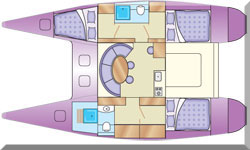
Below, the hallmark is the deck saloon with large windows and an internal seating and navigation area. You can sit at the saloon table and keep a watch through 270 degrees of horizon, which is a major quality‑of‑life improvement on long passages. The galley is usually arranged along the passage to the aft cabin, with deep sinks, substantial refrigeration and plenty of stowage. The aft owner’s cabin is generous, often with an island berth and en‑suite heads. Forward, layouts vary: some boats have a double cabin plus a Pullman twin and a second heads; others prioritise a larger guest suite. Joinery tends towards light timbers and a modern feel, with good handholds and practical detailing.
For liveaboard use, the combination of tankage, storage volume and deck‑saloon living works well. There is space for serious spares and tools, and the boat’s systems are laid out with offshore use in mind rather than weekend pottering. Heating and ventilation are important on these boats; many examples have diesel heating and careful ducting, and the forward‑opening saloon windows on earlier boats give useful airflow at anchor. Mk II changes improve window styling and add hull windows aft, which brighten the owner’s cabin but add another set of seals to monitor.
Who This Boat Is Best For
Good fit for:
- Experienced offshore couples: Those who value a protected cockpit, an inside watch station and are comfortable managing complex systems.
- Long‑term liveaboards: Sailors planning multi‑year cruising with serious gear lists, who appreciate tankage, storage and motion comfort.
- ARC‑style passagemakers: Crews who want a boat that feels solid and reassuring crossing oceans, even if it is not the first to finish.
Less ideal for:
- Budget‑constrained buyers: Anyone hoping to run a 55‑footer on minimal maintenance spend will find the Discovery unforgiving.
- Sailors wanting simple systems: If you prefer manual everything and minimal electrics, the typical Discovery 55 fit‑out may feel over‑complicated.
- Light‑air coastal potterers: In gentle summer zephyrs with little swell, a lighter, more easily driven hull might feel more rewarding.
The Buyer’s Checklist: Common Problem Areas
Drawing on surveyor notes, brokerage experience and owner reports, there are some recurring themes buyers should address head‑on. Use the checklist below as a structured starting point for your own inspection and survey brief.
- Check: Moisture readings around chainplates, stanchion bases, deck hardware and the raised‑saloon window surrounds.
- Why: Bonded windows and cored deck areas can suffer from long‑term water ingress if bedding fails; repairs are more involved than on simple framed portlights.
- Check: Any staining or cracking around chainplate zones inside, plus moisture mapping and, if needed, local destructive inspection.
- Why: Bonded/laminated chainplates are strong, but leaks can migrate into the surrounding laminate and core, making repairs more complex than swapping a bolt‑on fitting.
- Check: Documented replacement dates for shrouds, stays and terminals; mast step condition; spreader roots.
- Why: Many boats still carry original or very old rigging; for ocean work, budgeting a full replacement if invoices are missing is prudent.
- Check: Corrosion, movement or cracking around keel bolts and the moulded sump; any history of groundings.
- Why: The deep fin with bulb is robust, but age, corrosion and hard knocks can all affect the keel‑to‑hull interface.
- Check: Play in bearings, any signs of moisture ingress or delamination, and the integrity of the skeg attachment.
- Why: A skeg‑hung rudder is reassuring offshore, but it still needs careful inspection, especially on boats that have done high‑latitude or heavy‑weather sailing.
- Check: Age and service history of furling systems, powered winches, battery banks, chargers, inverters and navigation electronics.
- Why: The Discovery 55’s systems density is part of its appeal, but deferred maintenance here can turn into a large refit bill.
- Check: Condition of fuel and water tanks, hose runs, venting and access for cleaning.
- Why: Long‑range cruising demands clean fuel and water; older installations may need proactive refurbishment.
- Check: Headlinings, upholstery, floorboards and joinery for signs of leaks, UV damage or wear; operation of hatches and portlights.
- Why: Cosmetic work is not structural, but it can be a useful indicator of how carefully the boat has been looked after and helps you budget realistically.
Typical refit budgets for a Discovery 55 that has seen a decade or more of mixed maintenance can easily run into six figures in sterling if you tackle rigging, electronics, soft furnishings and cosmetic work together. The smart buyer uses survey findings to prioritise structural and safety items first, then phases comfort upgrades over time.
Could this be your ideal cruising boat?
It may well be, but before going any further, it might be worth taking a look at my eBook 'How to Avoid Buying the Wrong Sailboat'...
Summing Up
The Discovery 55 occupies a clear slot in the bluewater landscape: a British‑built, centre‑cockpit deck‑saloon cruiser designed from the outset for a couple to cross oceans in comfort. The design ratios show a boat with moderate power, strong stability and a motion profile that keeps crews functional rather than worn out. The hull, keel and rudder arrangement are conservative and robust, and the interior layout is unapologetically aimed at passagemaking and liveaboard life.
Against that, buyers must weigh age, complexity and the absence of factory support. These boats are now all used examples, and the yard has been through multiple insolvencies, leaving expertise in the hands of specialist brokers and independent technicians. Survey discipline matters: chainplates, windows, rigging, keel bolts and systems all need careful scrutiny, and realistic refit budgets should be part of the purchase plan. For the right owner—someone who understands what a 55‑foot, systems‑rich cruiser demands—the Discovery 55 still offers a compelling mix of comfort, capability and presence. For those looking for low‑maintenance simplicity, a smaller or less complex design may be a better match.
If you're looking for other cruising boats of a similar size to the Discovery 55, check here...

Written by Dick McClary, cruising sailor and yachting journalist, publisher of Sailboat‑Cruising.com and admin of the Liveaboard Sailboats for Sale community.

Frequently Asked Questions (FAQs)
1. How does the Discovery 55 compare to Oyster‑style bluewater cruisers in handling and comfort?
1. How does the Discovery 55 compare to Oyster‑style bluewater cruisers in handling and comfort?
It sits in a similar displacement and ballast band, with a slightly more moderate sail plan and a strong focus on deck‑saloon living. Handling is predictable rather than sporty, and motion comfort is high, especially when loaded for passagemaking.
2. What survey priorities should a buyer set for a Discovery 55 before committing to a deposit?
2. What survey priorities should a buyer set for a Discovery 55 before committing to a deposit?
Top priorities are hull and deck moisture (especially around chainplates and windows), keel‑bolt and sump condition, rudder and skeg integrity, standing rigging age, and the state of major systems such as furling gear, powered winches and electrical infrastructure.
3. Is the shoal‑draft version of the Discovery 55 a compromise for offshore work?
3. Is the shoal‑draft version of the Discovery 55 a compromise for offshore work?
The shoal keel reduces draft to about 5'11" (1.80 m), improving access to shallow anchorages. It does trade a little pointing ability and ultimate stiffness compared with the deep fin, but remains within the design’s bluewater intent when properly sailed and loaded.
4. How realistic is shorthanded ocean passagemaking on a Discovery 55 for an older couple?
4. How realistic is shorthanded ocean passagemaking on a Discovery 55 for an older couple?
The boat was designed for exactly that scenario: electric or hydraulic furling, powered winches, a protected centre cockpit and an inside watch station all support shorthanded sailing. The key is keeping systems maintained and rigging current so that the boat’s mechanical helpers remain reliable.
5. What kind of ongoing annual budget should owners expect for a Discovery 55 in Northern European waters?
5. What kind of ongoing annual budget should owners expect for a Discovery 55 in Northern European waters?
Berth, insurance and haul‑out costs scale with a 16.7 m boat, and technical reserves need to reflect rigging, engine, saildrive and electronics service. Independent advisory data suggests that realistic annual ownership, including a sensible technical reserve, can be significantly higher than the bare berth and insurance numbers alone.
Recent Articles


-
Coastal Passage Planning Made Easy: A 5-Phase Prep Guide
Oct 24, 26 10:51 AM
Master short coastal passage planning with our 5-phase preparation system. Avoid dockside stress, set safe limits, and cast off with complete confidence. -
Nonsuch 30 Sailboat Review, Specs, Performance and Buying Guide
Oct 21, 26 05:45 PM
Independent Nonsuch 30 review covering specs, performance, Classic vs Ultra layouts, owner feedback, common faults and buying advice. -
Hallberg Rassy 42E Review, Specs & Buyer's Guide
Oct 21, 26 07:00 AM
Hallberg Rassy 42E review with specs, design ratios, sailing performance, ownership insights, common issues and buyer guidance.