- Home
- Cruising Yachts 40' to 45'
- Hallberg Rassy 42E Bluewater Cruising Yacht Review and Buyer's Guide
Hallberg Rassy 42E Sailboat
Specs, Performance Analysis & Cruising Characteristics
Key Takeaways: The Hallberg Rassy 42E is one of the defining bluewater cruising yachts of the 1980s. Designed by Olle Enderlein and Christoph Rassy, it combines a protected centre cockpit, robust Scandinavian construction, substantial tankage and a remarkably comfortable interior for long-distance passagemaking. While not a performance cruiser in the modern sense, it rewards patient sailors with steady passage speeds, forgiving handling and excellent offshore manners.
Buyers should understand that the 42E is a very different yacht from the later German Frers-designed Hallberg Rassy 42F. The Enderlein boat is heavier in character, more traditional in appearance and layout, and particularly attractive to sailors prioritising comfort and ocean capability over outright sailing efficiency. Well-maintained examples remain highly sought after, but age-related refits can be significant.
 This is the ketch version but a sloop version was also produced
Table of Contents
- The Hallberg Rassy 42E at a Glance
- Design & Construction
- Published Specification: The Hallberg Rassy 42E Blueprint
- Sail Areas & Rig Dimensions
- Performance Analysis: Understanding the Design Ratios
- How the Hallberg Rassy 42E Sails
- Bluewater Capability: Strengths & Trade-Offs
- Configuration, Layout & Cruising Characteristics
- Who This Boat Is Best For
- The Buyer’s Checklist: Common Problem Areas
- Summing Up
- Frequently Asked Questions (FAQs)
The Hallberg Rassy 42E at a Glance
- Type: Bluewater centre-cockpit cruise
- Designer: Olle Enderlein and Christoph Rassy
- Builder: Hallberg-Rassy Varv, Sweden
- Production Years: 1980-1991
- Rig: Masthead ketch (original), later masthead sloop option
- Best for: Offshore cruising, liveaboard voyaging, ocean passage
- Strengths: Strong construction, comfortable motion, excellent accommodation, proven circumnavigation platform
- Trade-offs: Moderate sailing performance, ageing systems, expensive teak deck replacement, traditional interior may not suit modern tastes
Design & Construction
The Hallberg Rassy 42E arrived in 1980 as a larger development of the successful Hallberg-Rassy cruising formula established by the HR38, HR352 and Rasmus series. Designed by Olle Enderlein with Christoph Rassy's input, the yacht embodied the company's philosophy of producing an ocean-going cruiser manageable by a couple while remaining comfortable enough for extended voyages.
The hull is a solid GRP laminate below the waterline with substantial structural reinforcement. Hallberg-Rassy employed a heavily built approach during this period and many surveyors still regard these yachts as structurally conservative by modern production standards. The deck uses a cored construction to improve stiffness and insulation. The hull-to-deck joint is robust and heavily integrated into the overall structure.
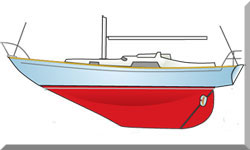
The yacht features a fin keel with a skeg-supported rudder. This arrangement provides a useful compromise between tracking stability, rudder protection and manoeuvrability. Ballast is steel rather than lead, accounting for part of the yacht's substantial displacement and conservative performance profile. Published information indicates the ballast is integrated and heavily protected within the keel structure.
The hallmark flush deck gives the 42E an unmistakable profile. It also contributes meaningful interior volume. The centre cockpit is protected by Hallberg-Rassy's signature windscreen arrangement and deep coamings, features that remain popular among offshore sailors.
Earlier boats were supplied exclusively as masthead ketches. As production progressed, a masthead sloop version became increasingly popular and eventually dominated production. The sloop retained the same mast position but used a taller rig and larger headsail winches.
A key point for buyers is understanding the distinction between the 42E and the later 42F (Frers). Although both carry the Hallberg Rassy 42 designation, they are fundamentally different yachts. The 42E is an Enderlein design built from 1980-1991, characterised by its flush deck, narrower beam and traditional appearance. The later German Frers-designed 42F, produced from 1990-2001, introduced a beamier hull, revised underwater profile, more modern styling, improved sail plan and noticeably stronger sailing performance. The Frers version is generally quicker and points higher, whereas many long-distance cruisers still prefer the Enderlein boat's classic layout and sea-kindly character.
Published Specification: The Hallberg Rassy 42E Blueprint
| Hallberg Rassy 42E Specifications | |
|---|---|
| LOA | 42'5" (12.93 m) |
| LWL | 34'5" (10.50 m) |
| Beam | 12'5" (3.78 m) |
| Draft | 6'9" (2.05 m) |
| Displacement | 25,353 lb (11,500 kg) |
| Ballast | 9,920 lb (4,500 kg) |
| Rig Type | Masthead Ketch / later Masthead Sloop |
| Hull Material | GRP |
| Production Dates | 1980-1991 |
Sail Areas & Rig Dimensions
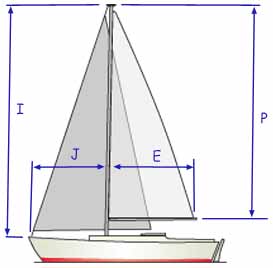 Rig dimensions
Ketch Rig
- I = 47.4' (14.45 m)
- J = 16.4' (5.00 m)
- P = 42.9' (13.08 m)
- E = 14.7' (4.47 m)
- Mizzen P = 24.6' (7.50 m)
- Mizzen E = 8.2' (2.50 m)
Sail Areas
- Mainsail: 314 ft² (29.2 m²)
- Foretriangle: 389 ft² (36.1 m²)
- Main + 100% Foretriangle: 703 ft² (65.3 m²)
- Published Total Sail Area: 850 ft² (79.0 m²)
- Approximate Genoa Sail Plan: 1,092 ft² (101.5 m²) total working area quoted by Hallberg-Rassy archives for ketch configuration.
Performance Analysis: Understanding the Design Ratios
| Ratio | Value | Interpretation |
|---|---|---|
| SA/D | 15.8 | Moderate sail power. Prefers steady cruising rather than aggressive performance. |
| D/L | 276.8 | Heavy-moderate displacement. Supports load carrying and offshore comfort. |
| B/D | 39.1% | Strong stability characteristics for ocean work. |
| CSF | 1.69 | Well below 2.0. Indicates a design suited to offshore conditions. |
| Brewer Comfort Ratio | 37.2 | Suggests a comfortable motion offshore with reduced accelerations. |
The ratios paint a consistent picture. This is not a light-air flyer or a yacht designed for 'around-the-cans' racing. Instead, the numbers point towards a capable offshore cruiser with substantial carrying capacity, reassuring stability and a motion that remains comfortable when conditions become unpleasant. The relatively modest SA/D ratio also explains why owners commonly rely on large genoas in lighter conditions.
For more on this topic, you might want to take a look at Understanding Boat Performance & Design Ratios...
How the Hallberg Rassy 42E Sails
Under sail, the 42E behaves much as one would expect from a substantial Scandinavian cruiser of its era. The boat rewards proper sail trim and benefits from keeping sail area up in moderate conditions. In lighter airs the yacht can feel slightly underpowered compared with modern cruiser-racers, particularly the ketch version.
As the wind increases, the design comes into its element. Tracking is dependable and the skeg-supported rudder delivers a reassuring helm feel. The boat carries momentum through waves well and generally avoids the abrupt motion sometimes associated with lighter yachts.
The ketch rig offers significant flexibility offshore. Short-handed crews often appreciate the ability to divide sail area into smaller, more manageable components. Mizzen and headsail combinations are useful when reducing canvas progressively. The later sloop provides a slightly cleaner aerodynamic package and is generally considered the better performer.
Upwind performance is respectable rather than exceptional. The yacht will make ground efficiently but is not known for the high pointing angles achieved by later Frers designs. Off the wind, especially in ocean swell, the boat settles into an easy stride that explains its popularity among long-distance cruisers.
Bluewater Capability: Strengths & Trade-Offs
The 42E built its reputation through offshore miles rather than marketing claims. Numerous examples have completed circumnavigations and extended ocean passages. Hallberg-Rassy itself highlights several well-known long-distance cruising examples that sailed extensively around the globe.
Strengths include:
- Robust structural construction
- Protected centre cockpit
- Large freshwater capacity of approximately 192 gallons (725 L)
- Fuel capacity around 104 gallons (395 L)
- Excellent stowage
- Comfortable motion offshore
- Strong load-carrying ability
Trade-offs include:
- Moderate light-air performance
- Ageing systems on most surviving examples
- Deep draft for some cruising grounds
- Heavy displacement limiting acceleration
- Teak deck replacement costs can be significant
For passagemaking couples, however, these drawbacks are often considered acceptable compromises.
Configuration, Layout & Cruising Characteristics
The centre cockpit arrangement drives much of the boat's appeal. Visibility is good, crew security is excellent and offshore watchkeeping remains comparatively comfortable. Wide side decks and substantial bulwarks contribute to confidence moving around the boat in rough conditions.
Below decks, the flush-deck configuration creates impressive internal volume for a 42-footer. The yacht is effectively divided into three distinct living areas: forward accommodation, central saloon and an owner's aft cabin. Two heads were commonly fitted.
The galley sits securely near the centre of motion and remains practical at sea. Storage capacity is one of the yacht's strongest attributes and is noticeably better than many modern production cruisers of similar length.
Liveaboard sailors often praise the separate aft cabin, engine room access and large tankage. While interiors reflect 1980s design preferences, the quality of joinery remains impressive even by contemporary standards.
Who This Boat Is Best For
Good fit for:
- Offshore passagemakers
- Circumnavigation plans
- Liveaboard cruising couples
- Sailors prioritising comfort over speed
- Owners who appreciate traditional craftsmanship
Less ideal for:
- Competitive club racers
- Shallow-water cruising grounds
- Buyers seeking contemporary interior styling
- Sailors wanting easy maintenance with minimal refit exposure
- Those prioritising light-wind performance
The Buyer’s Checklist: Common Problem Areas
When surveying a Hallberg Rassy 42E, pay particular attention to:
- Teak deck condition and fastener wear.
- Chainplate areas and surrounding laminate.
- Window and portlight leaks.
- Standing rigging age and mast corrosion.
- Keel attachment and corrosion issues associated with steel ballast structures.
- Original fuel tanks and potential contamination issues.
- Engine replacement history and shaft alignment.
- Rudder bearings and skeg structure.
- Osmosis history, although serious cases appear relatively uncommon.
- Electrical systems, many of which have undergone multiple owner modifications.
- Plumbing and sanitation systems.
- Deck core moisture around heavily loaded fittings.
Typical Refit Cost Areas
- Standing rigging: £8,000-£20,000+
- Teak deck replacement: £25,000-£60,000+
- Engine replacement: £15,000-£35,000+
- Electronics package: £5,000-£25,000+
- Full offshore systems refit: frequently exceeds £50,000
These figures vary widely by region and specification.
Could this be your ideal cruising boat?
It may well be, but before going any further, it might be worth taking a look at my eBook 'How to Avoid Buying the Wrong Sailboat'...
Summing Up
The Hallberg Rassy 42E remains one of the benchmark production bluewater cruisers of its generation. The design ratios reveal a yacht built around stability, carrying capacity and comfort rather than outright speed. Those characteristics are reflected on the water, where the boat rewards patience, good seamanship and thoughtful sail selection.
Compared with the later German Frers 42F, the Enderlein version feels more traditional in both styling and performance. The Frers boat is generally quicker and more modern, but the 42E retains a loyal following because of its proven offshore record, practical accommodation and reassuring character at sea.
The biggest caution for buyers is age. Every surviving example is now several decades old, making condition and upgrade history far more important than asking price. A well-maintained 42E can still be an excellent ocean cruiser. A neglected one can absorb a refit budget very quickly.
If you're looking for other cruising boats of a similar size to the 42E, check here...

Written by Dick McClary, cruising sailor and yachting journalist, publisher of Sailboat‑Cruising.com and admin of the Liveaboard Sailboats for Sale community.

Frequently Asked Questions (FAQs)
Is the Hallberg Rassy 42E a genuine bluewater cruising yacht?
Is the Hallberg Rassy 42E a genuine bluewater cruising yacht?
Yes. The model has amassed an extensive offshore track record and has completed numerous circumnavigations and ocean crossings.
What is the main difference between the 42E and the 42F?
What is the main difference between the 42E and the 42F?
The 42E was designed by Olle Enderlein and Christoph Rassy and built from 1980-1991, while the 42F was designed by German Frers and built from 1990-2001. The Frers version is generally faster, beamier and more modern in design.
Is the ketch or sloop version better?
Is the ketch or sloop version better?
Neither is universally better. The ketch offers sail-handling flexibility and offshore versatility, while the sloop provides simpler rigging and typically better performance.
What cruising speed can owners expect?
What cruising speed can owners expect?
Passage averages commonly fall in the 6-8 knot range depending on conditions, loading and sail configuration.
Are Hallberg Rassy 42Es expensive to maintain?
Are Hallberg Rassy 42Es expensive to maintain?
Maintenance costs can be significant because of age, teak decks, offshore systems and the premium nature of original construction.
Is the 42E suitable for a couple?
Is the 42E suitable for a couple?
Very much so. The boat was specifically conceived as a manageable long-distance cruiser for two people while still offering comfortable accommodation for guests.
Recent Articles


-
Coastal Passage Planning Made Easy: A 5-Phase Prep Guide
Oct 24, 26 10:51 AM
Master short coastal passage planning with our 5-phase preparation system. Avoid dockside stress, set safe limits, and cast off with complete confidence. -
Nonsuch 30 Sailboat Review, Specs, Performance and Buying Guide
Oct 21, 26 05:45 PM
Independent Nonsuch 30 review covering specs, performance, Classic vs Ultra layouts, owner feedback, common faults and buying advice. -
Hallberg Rassy 42E Review, Specs & Buyer's Guide
Oct 21, 26 07:00 AM
Hallberg Rassy 42E review with specs, design ratios, sailing performance, ownership insights, common issues and buyer guidance.