- Home
- Cruising Yachts 35' to 40'
- Oyster Heritage
The Oyster Heritage 37 Sailboat
Specs & Key Performance Indicators
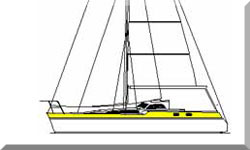
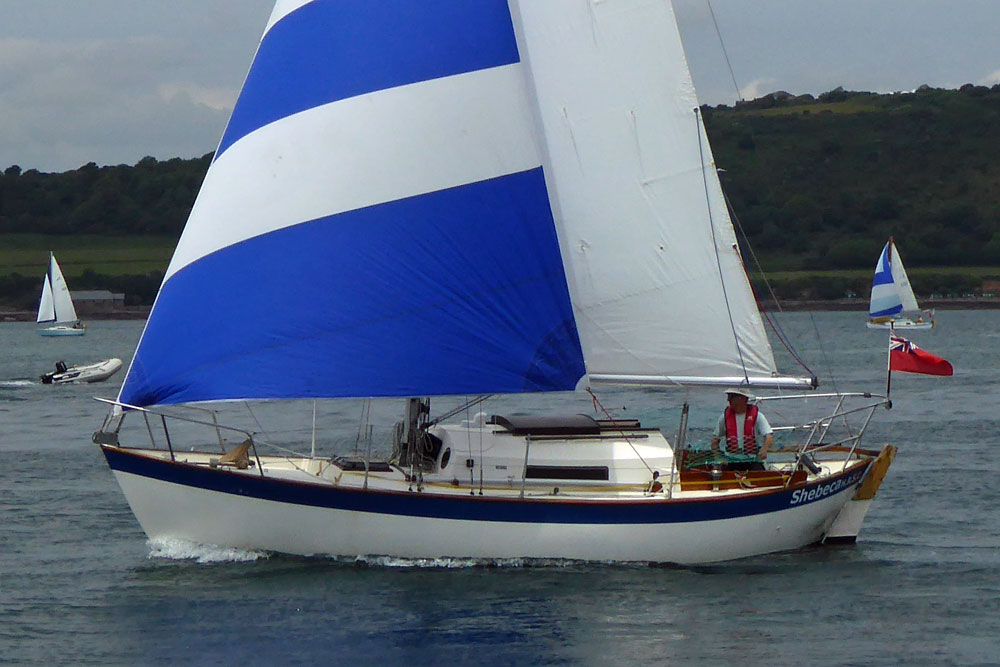
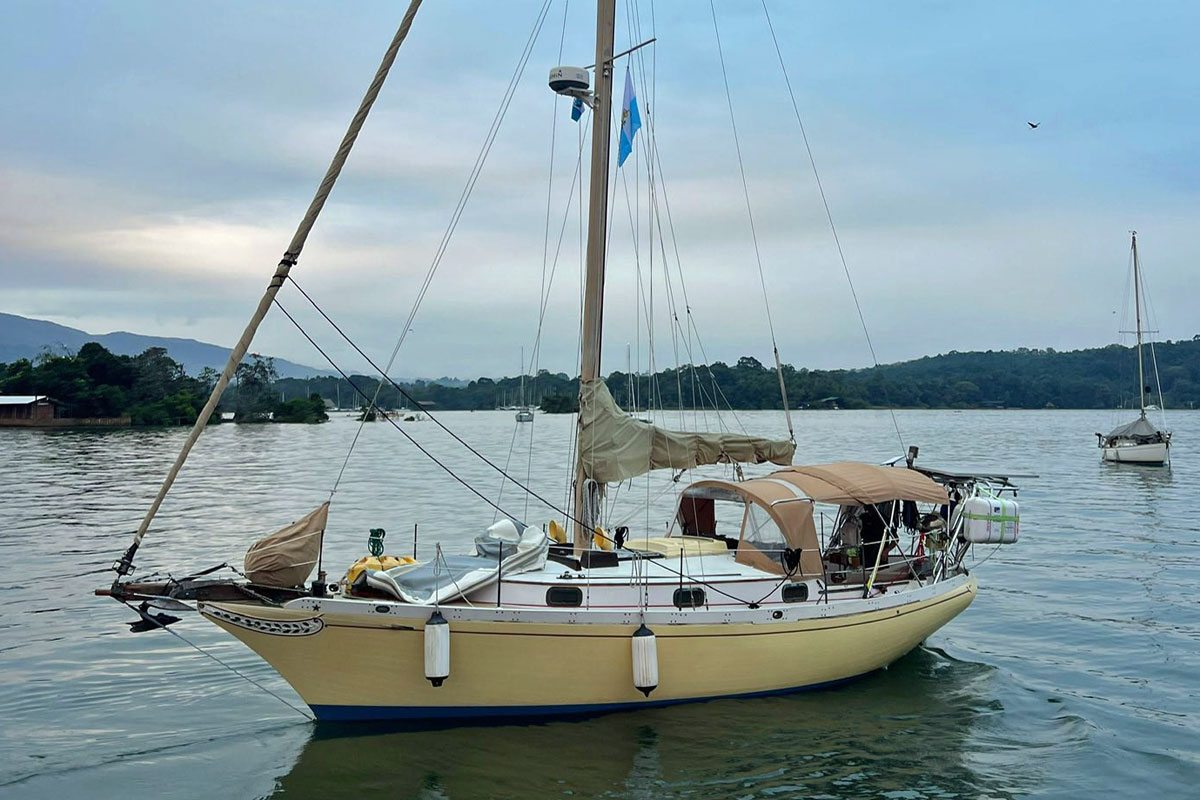
The Oyster Heritage 37, an aft-cockpit masthead sloop, was designed by Holman & Pye and built in the UK by Oyster Marine Ltd.
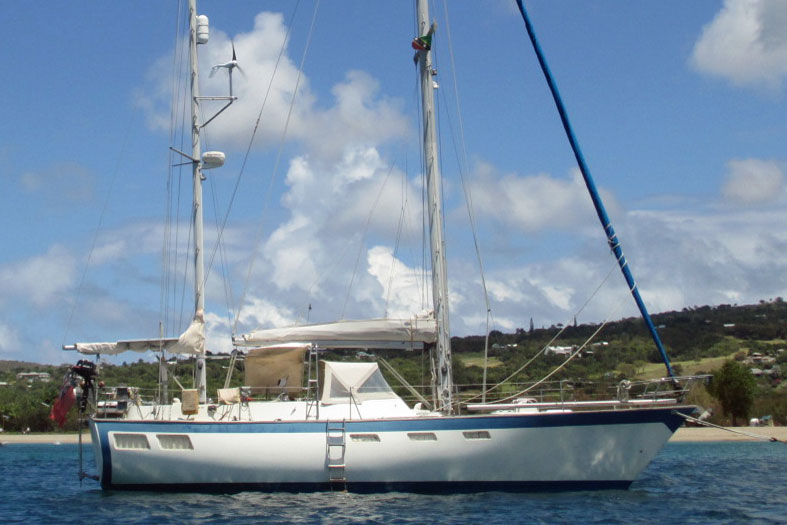
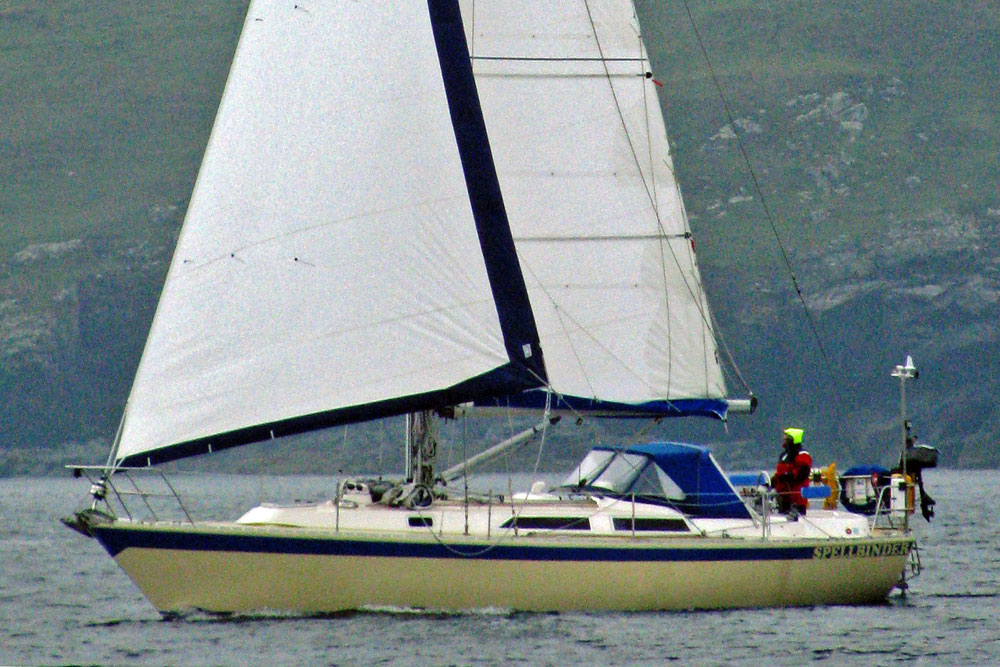 'Spellbound', an Oyster Heritage 37
'Spellbound' is the coachroof version. A Pilothouse version was also produced.
There was also a centre-board option drawing 4'3" with the board up and 8'0" with it down.
Published Specification for the Oyster Heritage 37
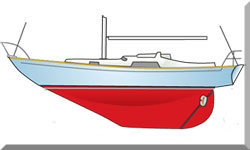
Underwater Profile: Fin keel with Skeg-Hung Rudder
Hull Material: GRP (Fiberglass)
Length Overall: 37'0" (11.3m)
Waterline Length: 31'3" (9.5m)
Beam: 12'0" (3.7m)
Draft: 5'4" (1.6m)
Rig Type: Masthead sloop
Displacement: 14,535lb (6,593kg)
Designer: Holman & Pye
Builder: Oyster Marine Ltd (UK)
Year First Built: 1984
Year Last Built: 1988
Number Built: 35
Owners Association: Oyster Owners
Published Design Ratios for the Oyster Heritage 37
1. Sail Area/Displacement Ratio: 16.5
2. Ballast/Displacement Ratio: 41.3
3. Displacement/Length Ratio: 213
4. Comfort Ratio: 24.9
5. Capsize Screening Formula: 2.0
Summary Analysis of the Design Ratios for the Oyster Heritage 37
The Oyster Heritage sailboat has some interesting statistics based on the design ratios provided.
- Starting with the Sail Area/Displacement Ratio (SA/D), it is a measure of the sail area available relative to the boat's weight. A high SA/D ratio suggests a boat will be faster and have a better light-air performance. A low SA/D ratio suggests the opposite – better performance in heavy air. The Oyster Heritage's SA/D ratio of 16.5 suggests it's somewhat on the lower end. This indicates that the boat might perform better in strong winds and heavier air, but might be slower and less efficient in light-air conditions.
- The Ballast/Displacement ratio (B/D) is used to assess a sailboat’s stability and its stiffness under winds. With a B/D of 41.3, the Oyster Heritage is a relatively sturdy and stable boat, and it should do well under heavy winds.
- The Displacement/Length Ratio (D/L) is a measure of a boat's speed potential. Low D/L ratios (under 200) suggest high speed and better performance. High D/L ratios (over 300) indicate a slower, more comfortable and easy-to-handle cruising yacht. The Oyster Heritage sits at a D/L ratio of 213, which is on the lower side of the scale, indicating a potential for better speed and performance.
- The Comfort Ratio gives an index of a yacht's motion in a seaway, where higher numbers indicate a more comfortable ride. The Comfort Ratio of the Oyster Heritage is 24.9, which is on the lower end, suggesting the ride can be livelier.
- Lastly, the Capsize Screening Formula (CSF) is intended to predict a yacht's suitability for offshore conditions. A number below 2.0 suggests a reasonably safe blue water sailing yacht. For Oyster Heritage, this formula gives us 2.0, suggesting it has an acceptable safety level for offshore sailing.
In summary, the Oyster Heritage sailboat might perform relatively better in strong winds, with good stability and potentially, better speed and performance. But it might have a more lively ride, and just passes the safe level for offshore sailing.
.........................
I wrote this article using GPT-4, OpenAI’s large-scale language-generation model, as a research assistant to gather information, summarize research findings, and provide suggestions for the content and structure of the article.
Dick McClary, creator and owner of sailboat-cruising.com
.........................
Other sailboats in the Oyster range include:
Recent Articles


-
Discovery 55 Sailboat Review: Specs, Ratios & Bluewater Capability
Oct 14, 26 06:04 AM
Detailed Discovery 55 buyer’s guide covering specs, ratios, sailing behaviour, problem areas and bluewater suitability. -
Should I Buy a Boat? Four Questions to Answer Before You Commit
Oct 02, 26 04:40 AM
Thinking "Should I buy a boat?" This guide helps you decide, with key considerations from cost & maintenance to your personal sailing aspirations. -
Offshore Internet with Starlink: Hardware, Plans, and Setup Guidance
Oct 01, 26 01:15 PM
A clear, practical guide to choosing the right Starlink hardware and plan for offshore cruising. Learn what to buy, how to install it, and how to manage power afloat.