- Home
- Cruising Yachts 30' to 35'
- Wauquiez Centurion 32
Wauquiez Centurion 32 Sailboat Specs, Performance Analysis & Cruising Characteristics
Key Takeaways: The Centurion 32 is a Holman & Pye masthead sloop, built by Henri Wauquiez in France between 1968 and 1977, with around 380 hulls launched. She has a heavy glassfibre hull, a lead fin keel and a skeg-hung rudder. Owners praise her upwind performance, dry deck and good manners in a blow. The trade-offs are modest tankage, tight accommodation for a 32-footer, a slow downwind pace and awkward handling astern under power. After fifty years, condition matters more than model: engine, rig, wiring, deck fittings and hull moisture decide the real price. She suits couples and small crews who want a seakindly, well-finished cruiser rather than a floating apartment.
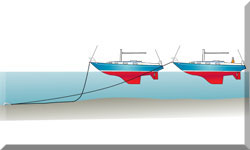
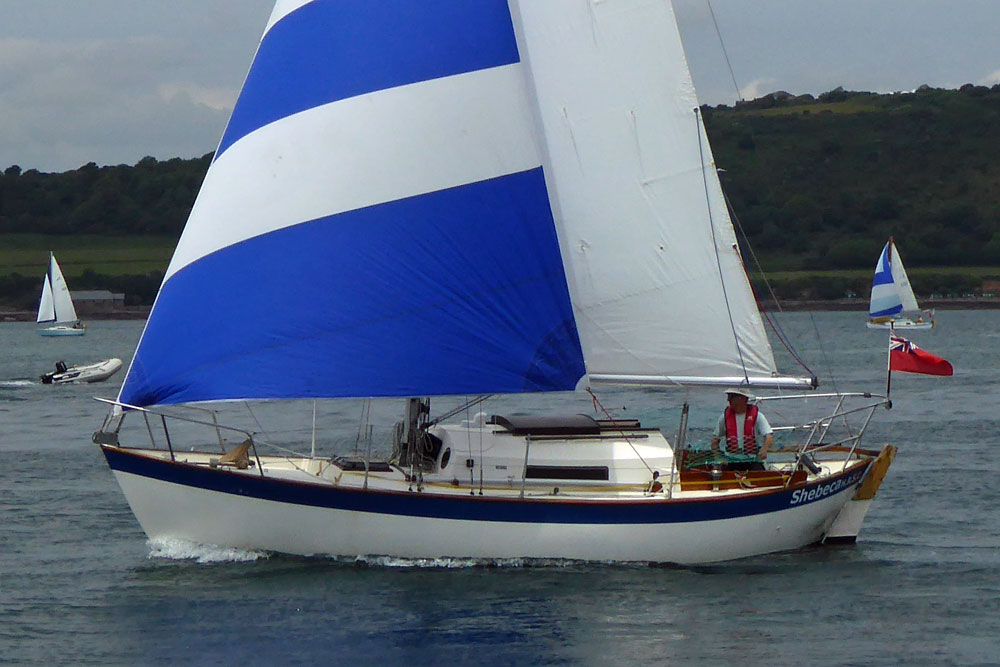
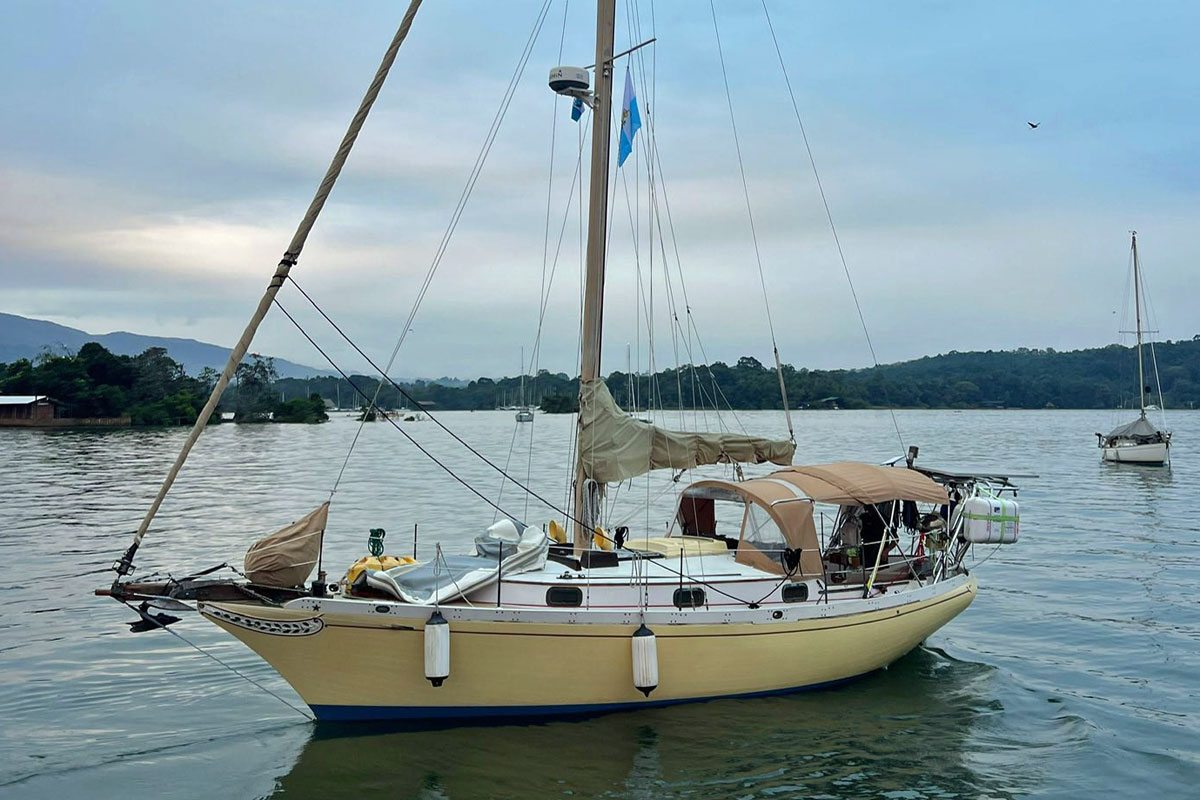
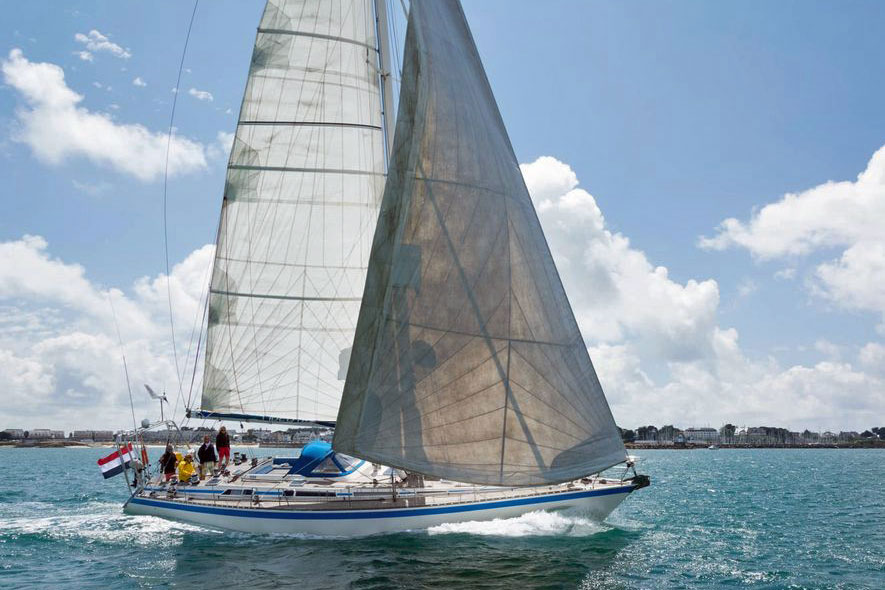
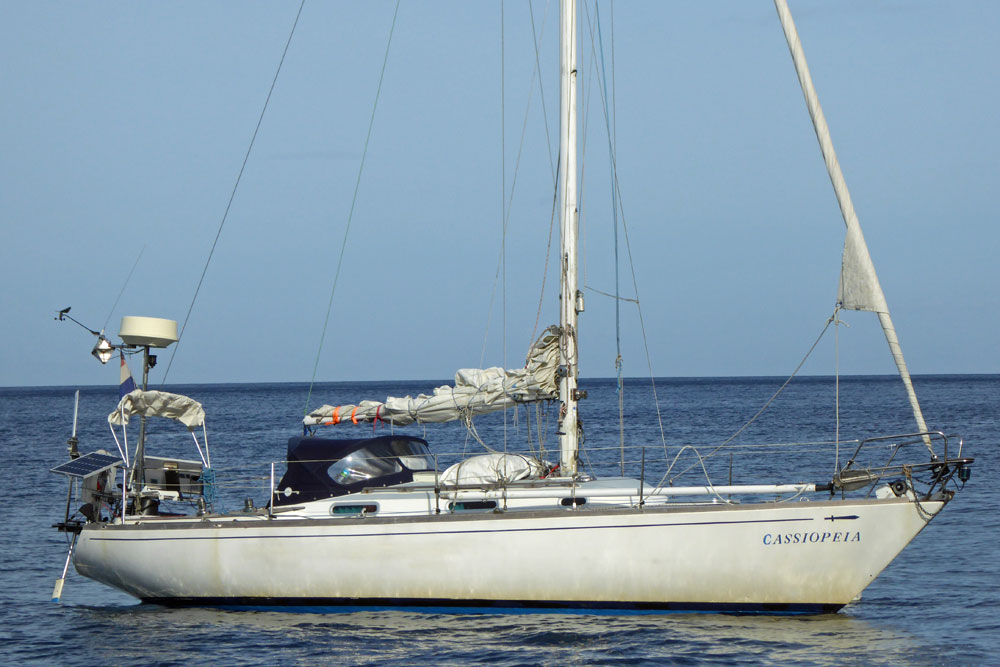 A Wauquiez Centurion 32 at anchor
Table of Contents
- The Centurion 32 at a Glance
- Design & Construction
- Published Specification: The Centurion 32 Blueprint
- Sail Areas & Rig Dimensions
- Performance Analysis: Understanding the Design Ratios
- How the Centurion 32 Sails
- Bluewater Capability: Strengths & Trade-Offs
- Configuration, Layout & Cruising Characteristics
- Who This Boat Is Best For
- The Buyer’s Checklist: Common Problem Areas
- Summing Up
- Frequently Asked Questions (FAQs)
The Centurion 32 at a Glance
- Type: Cruiser-racer masthead sloop, glassfibre (GRP), fin keel with skeg-hung rudder
- Designer: Holman & Pye (most databases credit Kim Holman)
- Builder: Henri Wauquiez, Mouvaux, Fr
- Production Years: 1968 to 1977, about 380 built
- Rig: Masthead sloop, with two masthead rig options reported
- Best for: Couples and small crews who want a well-built, seakindly cruiser for coastal and offshore passages on a modest budget
- Strengths: Heavy laminate, sound structure, good windward ability, balanced helm, deep cockpit, easy passage forward, fine interior joinery
- Trade-offs: Cramped interior, limited tankage and stowage, slow off the wind, awkward in reverse, ageing systems
Design & Construction
The Centurion 32 came off the Holman & Pye drawing board in the late 1960s. Yachting Monthly dates the design to 1969, while SailboatData lists the first hulls in 1968, so treat 1968 to 1969 as the launch window. Henri Wauquiez built her at Mouvaux in northern France. Most databases credit Kim Holman personally, although the practice name on the yard's other designs of the period is Holman & Pye. She was drawn as a cruiser-racer: a sea-kindly hull with a fine entry, moderate beam and a rig meant to be driven, built to a standard of finish that earned the yard a reputation as the French answer to the best British yards.
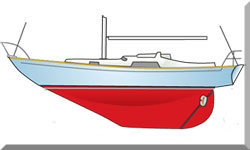
The hull is solid glassfibre with a laminate that owners consistently describe as thick by modern standards. A French used-boat assessment from Bateaux.com reached a similar view: the structure is sound enough that a Centurion can be rebuilt with confidence, the floors are strong, and the money goes on the engine, sails and fittings. The 4,409 lb (2,000 kg) of ballast is lead, fitted as a fin keel, and the rudder hangs from a skeg that protects it from grounding and flotsam. The propeller shaft is offset from the centreline, which owners explain as a way of drawing the shaft and propeller past the skeg. It also shapes how she behaves under power, a point covered in the sailing section.
Deck construction is harder to pin down. The sources we found disagree on whether the side decks are balsa-cored or solid, and none was a primary builder document, so ask your surveyor to establish it with a moisture meter and a tap test rather than assuming. A teak deck overlay was offered on some Wauquiez models of the era, and ocean-cruising advisers warn that the teak on larger Centurions was thin and expensive to remove. Below, the interior is teak-faced plywood with a moulded white glassfibre headlining.
The model was built over roughly a decade with no major redesign that we could trace. The variations that do appear are practical ones: two masthead rig options, of which the smaller was the more popular, a succession of auxiliary engines (Volvo units in the early boats, with 17 and 25 hp quoted in French sources, and many repowered since), and draught figures that range from 5'7" (1.70 m) to 6'1" (1.85 m) depending on the source and probably on loading. The yard's later Holman & Pye designs, including the Gladiateur 33 and the Pretorien 35 (introduced in 1979), offer more space for those who find the 32 tight.
Published Specification: The Centurion 32 Blueprint
The figures below follow SailboatData unless the table says otherwise. Published sources differ in places, and the notes underneath explain where.
| Specification | Imperial (metric) |
|---|---|
| LOA | 32'9" (9.98 m); hull length quoted as 32'0" (9.75 m) by Yachting Monthly |
| LWL | 24'0" (7.32 m) |
| Beam | 9'9" (2.97 m) |
| Draft (min / max) | 5'7" (1.70 m) / 6'1" (1.85 m) across published sources; 5'10" (1.77 m) is the most common figure |
| Displacement | 9,600 lb (4,354 kg) per SailboatData; 10,582 lb (4,800 kg) per Yachting Monthly |
| Ballast | 4,409 lb (2,000 kg), lead |
| Rig Type | Masthead sloop |
| Keel / Rudder | Fin keel / skeg-hung rudder |
| Hull Material | Glassfibre (GRP) |
| Production Dates | 1968 to 1977, about 380 built |
| Original fuel / water | 13 US gal (49 litres) / 29 US gal (110 litres); boats on the market vary |
The displacement gap is the one that matters. Yachting Monthly's figure is roughly 980 lb (446 kg) heavier than SailboatData's, and a French source gives a light-ship weight of around 4.2 tonnes, so the difference probably reflects whether the boat is weighed light or loaded. We use 9,600 lb for the ratios below because it is consistent with the published ballast and waterline figures, and we show later how the results shift with the heavier number.
Sail Areas & Rig Dimensions
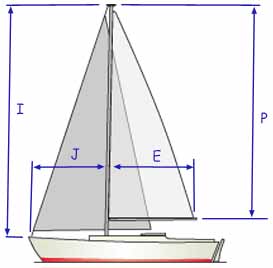 Rig dimensions
| Item | Imperial (metric) |
|---|---|
| Mainsail area | 214.5 ft² (19.93 m²) |
| Foretriangle area | 229.9 ft² (21.36 m²) |
| Total sail area | 444.4 ft² (41.29 m²) |
| I (foretriangle height) | 38'0" (11.58 m) |
| J (foretriangle base) | 12'1" (3.69 m) |
| P (mainsail luff) | 33'0" (10.06 m) |
| E (mainsail foot) | 13'0" (3.96 m) |
| Estimated forestay length | 39'11" (12.16 m) |
These are rating-style figures, with the headsail measured at 100% of the foretriangle. A French source quotes a larger total of about 568 ft² (52.8 m²) with a 371 ft² (34.5 m²) genoa and a smaller mainsail. That looks like a big overlapping genoa on the second rig option, so do not compare the two numbers directly. When you view a boat, ask which rig she carries, because it changes how she feels in light air.
Performance Analysis: Understanding the Design Ratios
The ratios below use 9,600 lb displacement, a 24'0" waterline, a 32'9" overall length, a 9'9" beam and 444.4 ft² of sail. SailboatData publishes slightly different figures for two of them (15.8 for sail area to displacement and 26.8 for comfort) because it rounds and measures a little differently.
| Ratio | Result | Where it sits |
|---|---|---|
| Sail Area/Displacement (SA/D) | 15.7 | Below 16: moderate to low power |
| Displacement/Length (D/L) | 310 | 275 to 350: heavy displacement |
| Ballast/Displacement (B/D) | 45.9% | Above 40%: stiff |
| Capsize Screening Formula (CSF) | 1.84 | Below 2.0: passes the screen |
| Comfort Ratio (Brewer) | 26.6 | 20 to 30: coastal cruiser band |
Sail area to displacement. A figure of 15.7 says she is not over-canvassed. In light air she needs a good, well-cut genoa to wake up, and she will not accelerate out of a tack like a modern lightweight. The compensation is a rig that is easy to live with when the breeze builds.
Displacement to length. At 310 she is a heavy boat for her length. That means momentum through a chop and a steadier motion, and it means she will always be slower to get going than a lighter design. Her theoretical hull speed is 6.56 knots.
Ballast to displacement. At 45.9% she carries a lot of lead for her size, and the lead sits low in a fin keel. She should stand up to her canvas, resist heeling in a gust and keep a useful righting moment at large angles of heel.
Capsize screening formula. The CSF divides beam by the cube root of displacement. A result of 1.84 is comfortably under the 2.0 threshold, so the boat is not flagged as wide and light for offshore use. It is a screen, not a guarantee, but she passes it with room to spare.
Comfort ratio. Ted Brewer's formula rewards weight, narrowness and a long waterline relative to overall length. At 26.6 she lands in the coastal band rather than the 30 to 40 range he associates with moderate offshore cruisers. The score is held back by her modest size, and a 32-footer will never match a 45-footer on this measure.
If the heavier 10,582 lb figure is right, the picture shifts only slightly: D/L rises to about 342, B/D falls to 41.7%, CSF drops to 1.78, SA/D falls to 14.8 and the comfort ratio climbs to 29.4. She would be a heavier, slightly less powerful boat, with the same overall character. For more on how these numbers are derived, see our guide to sailboat design ratios.
How the Centurion 32 Sails
Upwind is where she earns her reputation. Owners on the Yachting Monthly forums describe a boat that points higher than most modern cruisers, stays dry as the wind rises and carries on after lighter boats have run for harbour. Yachting Monthly's own used-boat review calls her windward performance sprightly. The numbers back that up: heavy displacement, a lot of lead and a narrow beam make for a boat that goes through a chop rather than over it.
Downwind is the weaker half of her repertoire. Several owners say she is slower off the wind than a newer, beamier boat, which fits a short waterline and a modest rig. Light-air opinion is split. One owner finds her surprisingly good in light conditions, another says she wants breeze to come alive. The fitted rig and the age and cut of the sails probably explain most of that disagreement.
The helm is a tiller, and owners report a well-balanced boat that will sail quietly under mainsail alone without heading off downwind. The skeg-hung rudder takes a moment to bite at low speed, which matters in marinas more than at sea.
Under power she asks for patience. The offset propeller gives noticeable prop walk, and several owners say that going astern is a knack that takes practice, particularly with the original two-blade propeller. Two owners report that fitting a three-blade propeller with more bite astern transformed her handling. Leaving a berth, assume the bow will swing quickly if the wind is on the wrong side, and practise before you need to do it in a crowded fairway.
Reefing arrangements vary from boat to boat because fifty years of owners have changed things. Check that the system works, that it can be operated by one person and that the winches are up to the job: early hardware on 1970s boats is often undersized by modern standards. With a tiller, a deep cockpit and an easy walk forward, she is manageable for a couple, provided the gear has been upgraded and is in good order.
Bluewater Capability: Strengths & Trade-Offs
On paper and on the water she has the bones of a capable small offshore boat: a robust structure, a stiff hull, a skeg-protected rudder and a capsize screening result with margin in hand. Owners have cruised Centurions to the Baltic, southern Ireland and south Brittany, and one long-term owner reports sailing round Great Britain and to the Baltic twice. Mahina Expeditions' ocean-cruising list describes the 32 as small and sturdy, though the same list warns against teak-decked Wauquiez models.
The limits are size and load. Original tankage was 13 US gal (49 litres) of diesel and 29 US gal (110 litres) of water. That is about a fortnight of water for two at a strict 4 litres per person per day, or a little over five days at a relaxed 10 litres. Fuel is the tighter constraint, so long passages mean jerrycans or a deliberate reliance on sail. Stowage is modest, and a narrow, heavy hull shows every extra kilo of gear and stores in its waterline. Seakindliness is the strength: she is described as dry, forgiving and comfortable when the wind picks up.
The cockpit is deep and secure, and the passage forward is easy. Check the cockpit drains and their routing, because owners have raised drainage as a weak point on boats of this type. Look at stanchion bases, guardwires and the condition of the toerail and deck fittings, since these are the places where fifty years of leaks and loads accumulate.
Owners often compare her with the Contessa 32 and the Nicholson 32. These are owner opinions rather than measurements. The Centurion is described as the bigger and heavier boat, with a fuller bow, more freeboard and a larger coachroof than the Contessa, and as better-mannered in a marina than the long-keeled Nicholson. Some owners of rival designs favour a Westerly Fulmar for its larger interior.
Configuration, Layout & Cruising Characteristics
The standard layout is the one Yachting Monthly describes: six berths in two cabins, with two berths forward, three in the saloon and a quarter berth, and the heads amidships. Owners praise the chart table, the deep cockpit and the easy route forward, and they find the galley acceptable. Their complaints are consistent: headroom in the forepeak and the heads is limited, there is a footwell to negotiate at the galley, and berths are short for anyone around 6'5" (1.96 m). Interior volume is small for a 32-footer, a direct result of her narrow beam.
The joinery is teak-faced plywood of a standard that has aged well. The moulded headlining behind it is the downside. It is durable, but it makes rewiring awkward, so expect to spend time and patience if the electrics need replacing. Engine access is another sore point: the space is tight, and owners say that access to the water pump and fuel filter on the Volvo MD2B is poor. One owner reports that a Beta 28 only just fits when it comes to repowering.
For a couple she works well as a cruising home for weekends, holidays and seasonal liveaboard use. For a full-time liveaboard she is tight, with little room for tools, spares, clothes and stores, and tank capacity is modest. Four people can cruise aboard, according to long-term owners, but it takes discipline.
Who This Boat Is Best For
Good fit for:
- Couples and small crews who value upwind performance and sea-kindliness over interior space
- Buyers who want a well-built classic at a modest price and are happy to refit systems
- Coastal and short-offshore cruisers, including Channel, North Sea and Biscay passage-makers
- Sailors who like a tiller, a deep cockpit and a boat that rewards good trim
Less ideal for:
- Families who need standing headroom, generous berths or a large saloon
- Full-time liveaboards with a lot of gear, or crews who need long motoring range
- Sailors who want to be fast downwind or in very light air
- Anyone unwilling to budget for engine, rig and electrics on a fifty-year-old boat
The Buyer’s Checklist: Common Problem Areas
A well-kept Centurion is a good buy, and a neglected one is an expensive project. The table sets out where to look and the scale of cost to expect. The cost figures are indicative UK estimates for a 32-footer, not quotes from any Centurion owner, so treat them as a rough guide and get local quotes before you commit.
| Area | What to check | Indicative cost if it needs work |
|---|---|---|
| Hull and osmosis | Moisture-meter readings below the waterline, blister history, date and method of any past treatment | £4,000 to £8,000 for peel and epoxy treatment |
| Decks and core | Soft or hollow areas, especially around stanchion bases, winches and cleats; whether the deck is cored or solid; teak overlay and its fixings | Localised repairs vary; removing a teak overlay £8,000 to £15,000 |
| Deck penetrations and chainplates | Leaks where chainplates and fittings pass through the deck; staining or rot in the bulkheads and joinery below; how the cabin windows are fixed and sealed | Resealing is cheap; bulkhead repair is not |
| Keel, floors and rudder | Keel-to-hull joint, signs of grounding damage, condition of floors and bulkhead tabbing, play in the rudder and skeg | Specialist survey advised before any estimate |
| Engine and shaft | Age, hours, access, the offset shaft and propeller, saildrive conversions; whether the engine has been replaced and how well it was fitted | £7,000 to £12,000 to repower |
| Rig, sails and winches | Age of standing rigging, which masthead rig is fitted, sail condition, size and condition of winches | £2,500 to £5,000 for standing rigging; £5,000 to £9,000 for a sail wardrobe |
| Electrics and plumbing | Age of wiring behind the headlining, seacocks, cockpit drains, tanks | £2,500 to £5,000 for a professional rewire |
| Paperwork | Ownership history, previous surveys, osmosis records, engine installation date | None, but a thin history is a warning |
Deal-breakers are the ones that threaten the structure: widespread wet deck core, rot in the bulkheads at the chainplates, signs of keel or floor movement, and blistering that has been left to progress. A boat with an old engine, tired sails and ageing wiring is a negotiating position, not a reason to walk away, provided the price reflects it. Recent European listings we reviewed asked roughly €22,500 to €35,850 depending on year, equipment and refit history, and the quality of the refit should drive the price more than the build year.
Could this be your ideal cruising boat?
It may well be, but before going any further, it might be worth taking a look at my eBook 'How to Avoid Buying the Wrong Sailboat'...
Summing Up
The Centurion 32 is a well-built, well-mannered small cruiser whose strengths and weaknesses come from the same source: a heavy, narrow hull with a lot of lead. The ratios tell a consistent story. A displacement to length ratio of 310 and a ballast ratio of 45.9% explain the steady motion, the stiffness and the way she keeps going when lighter boats retreat. A sail area to displacement ratio of 15.7 and a Brewer comfort score in the coastal band explain why she needs wind and why she is no flier downwind. A capsize screening result of 1.84 says the hull form is not a concern for offshore use.
The same narrow hull limits her interior, her tankage and the weight she can carry before performance suffers. Add an offset propeller that makes reversing a skill rather than a reflex, and the picture of a boat that rewards a sailor and tests a motorist is complete. The decision for a buyer is rarely about the design. It is about the individual boat's condition and how much of the refit has already been done.
Buy on the evidence of the survey: hull moisture, deck integrity, rig, engine and wiring. A boat with a sound structure and a recently replaced engine and rig is worth paying for, and one that needs all of them is a project. The Centurion 32 remains one of the better small offshore boats of her generation for the sailor who accepts the limits and budgets for the age.
If you're looking for other cruising boats of a similar size to the Centurion 32, take a look at our page Popular Cruising Yachts from 30 to 35 Feet Long Overall...

Written by Dick McClary, cruising sailor and yachting journalist, publisher of Sailboat‑Cruising.com and admin of the Liveaboard Sailboats for Sale community.

Frequently Asked Questions (FAQs)
How does the Centurion 32 handle astern with the offset propeller?
How does the Centurion 32 handle astern with the offset propeller?
Expect pronounced prop walk and a rudder that needs some sternway before it steers. Owners report that a three-blade propeller with more bite astern made a marked difference. Practise in open water, approach berths with the wind and prop walk working for you, and fit a propeller chosen for reverse thrust.
Is the Centurion 32 suitable for ocean passages given the tankage and stowage?
Is the Centurion 32 suitable for ocean passages given the tankage and stowage?
The hull and ratios support it, and owners have cruised her to the Baltic and beyond. The practical limits are 49 litres of fuel, 110 litres of water and modest stowage. Passage-making means extra fuel and water containers, a watermaker or strict rationing, and a disciplined stores plan.
Why do published displacement figures disagree?
Why do published displacement figures disagree?
SailboatData lists 9,600 lb (4,354 kg), while Yachting Monthly gives 10,582 lb (4,800 kg), and a French source quotes a light weight of about 4.2 tonnes. The difference probably reflects light versus loaded weighing. Ask for a weighbridge or lift-out record on the boat you are viewing.
How can I tell whether the hull and decks have been looked after?
How can I tell whether the hull and decks have been looked after?
Ask for moisture-meter readings, osmosis treatment records and a surveyor's tap test of the decks, especially around fittings. Hollow sounds, soft patches or stained bulkheads suggest water in the core or leaks at deck penetrations. A documented history is worth more than a fresh coat of paint.
What engine upgrades suit the Centurion 32?
What engine upgrades suit the Centurion 32?
Owners report that a Beta 28 fits, though the space is tight and access is difficult. Repowering is a sensible time to review engine bearers, shaft alignment, the offset shaft and propeller choice, and to improve access for servicing.
How does she compare with the Contessa 32 and the Nicholson 32?
How does she compare with the Contessa 32 and the Nicholson 32?
Owners describe the Centurion as the bigger, heavier boat, with more freeboard and a fuller bow than the Contessa, and with better manners in a marina than the long-keeled Nicholson. The Contessa is usually described as the sprightlier of the pair. Sail them if you can, because personal preference decides most of these comparisons.
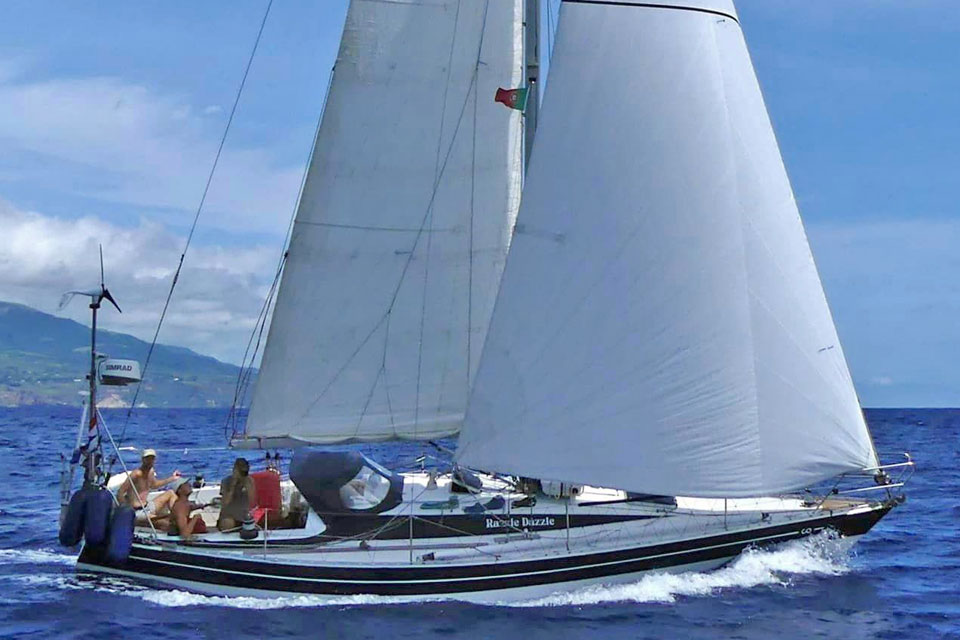
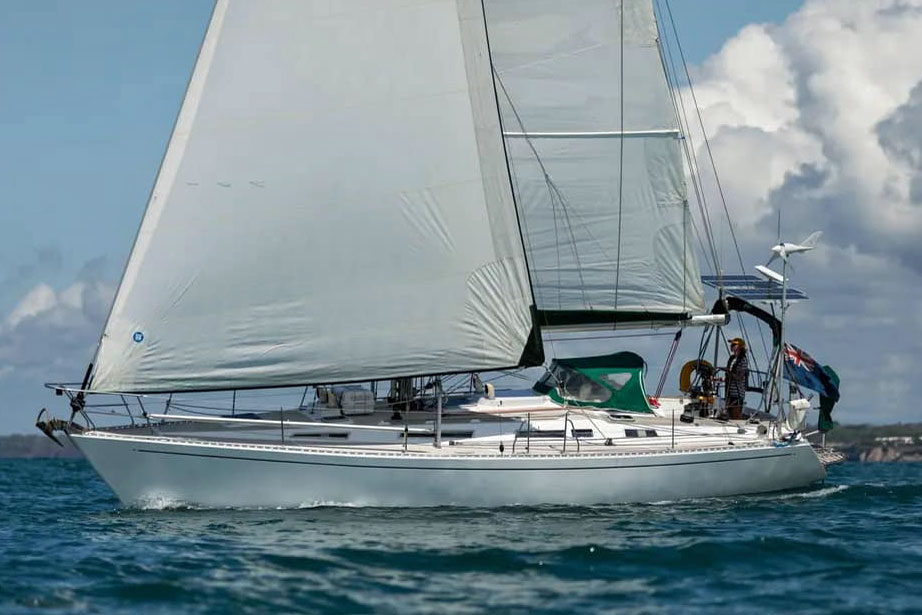
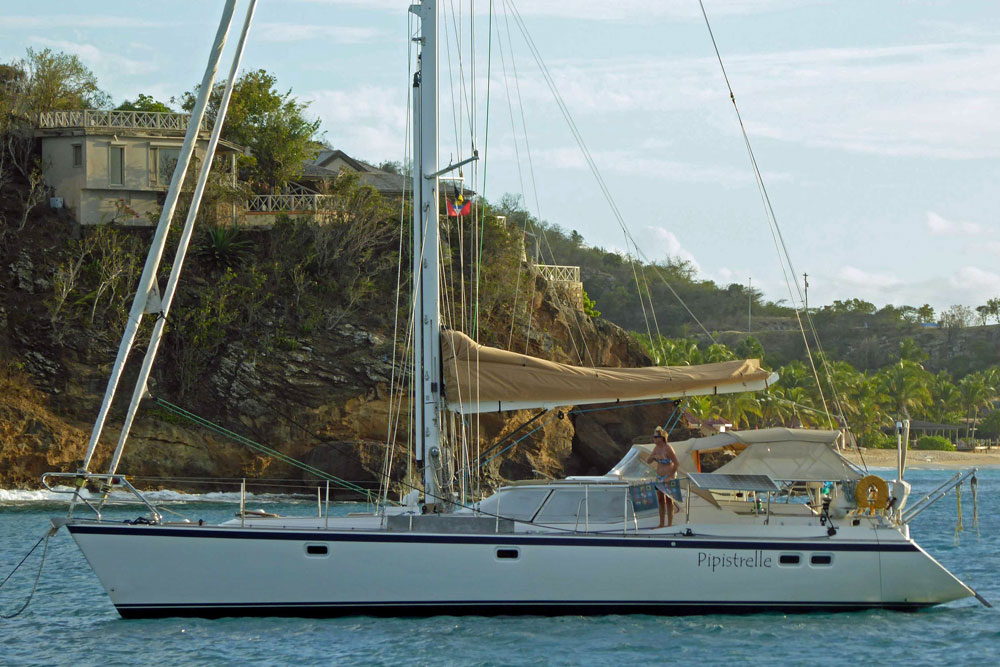
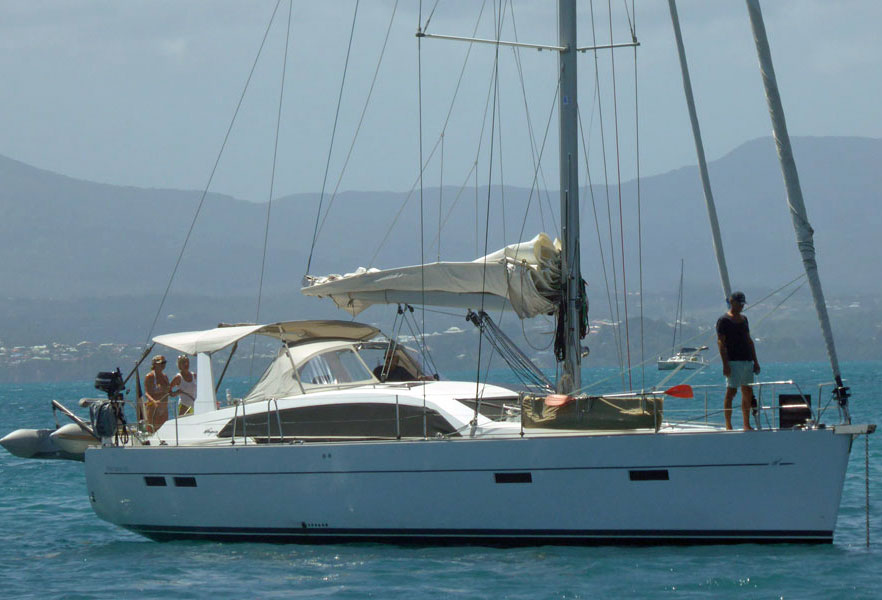
Other sailboats in the Wauquiez range include:
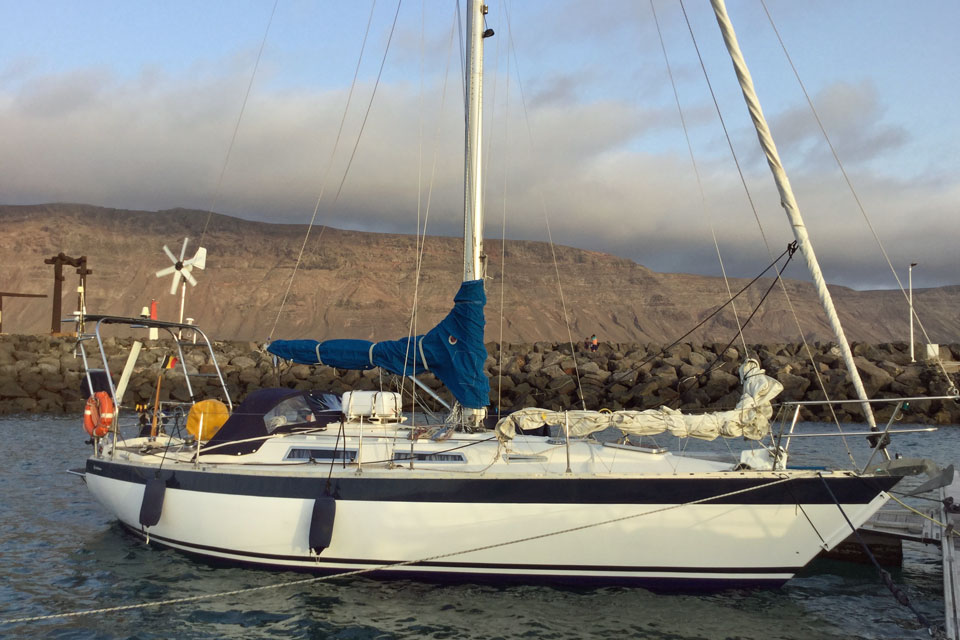 The Wauquiez Gladiateur 33
Recent Articles


-
Should I Buy a Boat? Four Questions to Answer Before You Commit
Oct 02, 26 04:40 AM
Thinking "Should I buy a boat?" This guide helps you decide, with key considerations from cost & maintenance to your personal sailing aspirations. -
Offshore Internet with Starlink: Hardware, Plans, and Setup Guidance
Oct 01, 26 01:15 PM
A clear, practical guide to choosing the right Starlink hardware and plan for offshore cruising. Learn what to buy, how to install it, and how to manage power afloat. -
Offshore Liferaft Guide: Choosing, Stowing and Servicing One
Oct 01, 26 06:28 AM
Choosing an offshore liferaft? Learn what ISO 9650 Group A means, where to stow it, how often to service it and what to pack in the grab bag.