- Home
- Types of Sailboats
- Cutter Rig Vs Solent Rig
Cutter Rig vs. Solent Rig: What's the Difference & Which is Better for Offshore Cruising?
Key Takeaways...
Choosing between a cutter rig vs solent rig depends largely on your sailing style and where you plan to cruise. The traditional cutter rig offers unmatched flexibility and balance in heavy weather, allowing you to fly a staysail and yankee together or heave-to safely with a small, centred sail. Conversely, the solent rig is a modern favourite for its simplicity and superior upwind performance, as it avoids the "dirty air" and drag associated with a partially furled genoa. If you value easy tacking and a balanced boat in a gale, the cutter is your best bet, but for those who want a simpler, more efficient windward machine that is easy to retrofit, the solent rig is the clear winner.
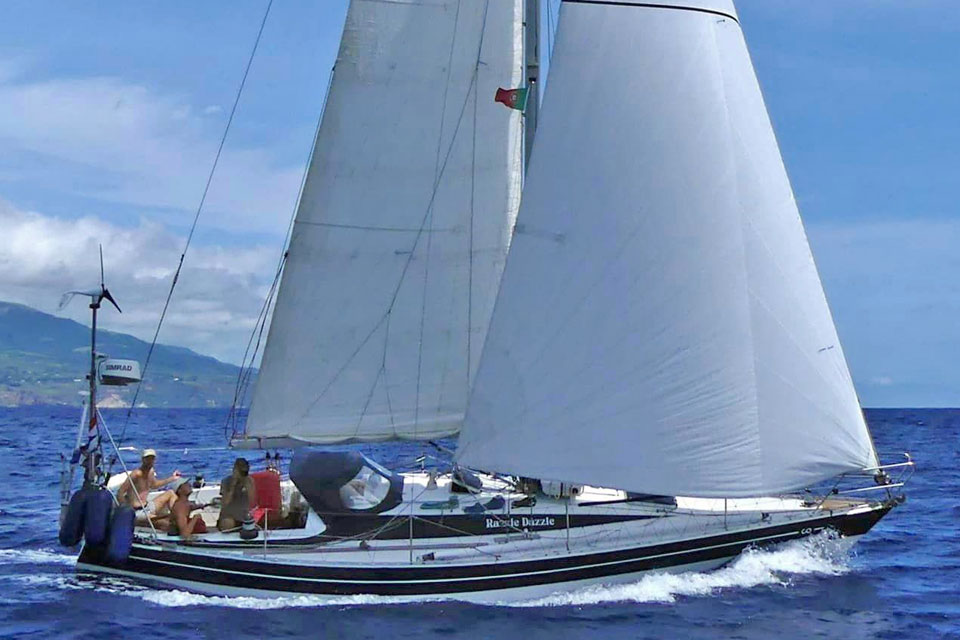
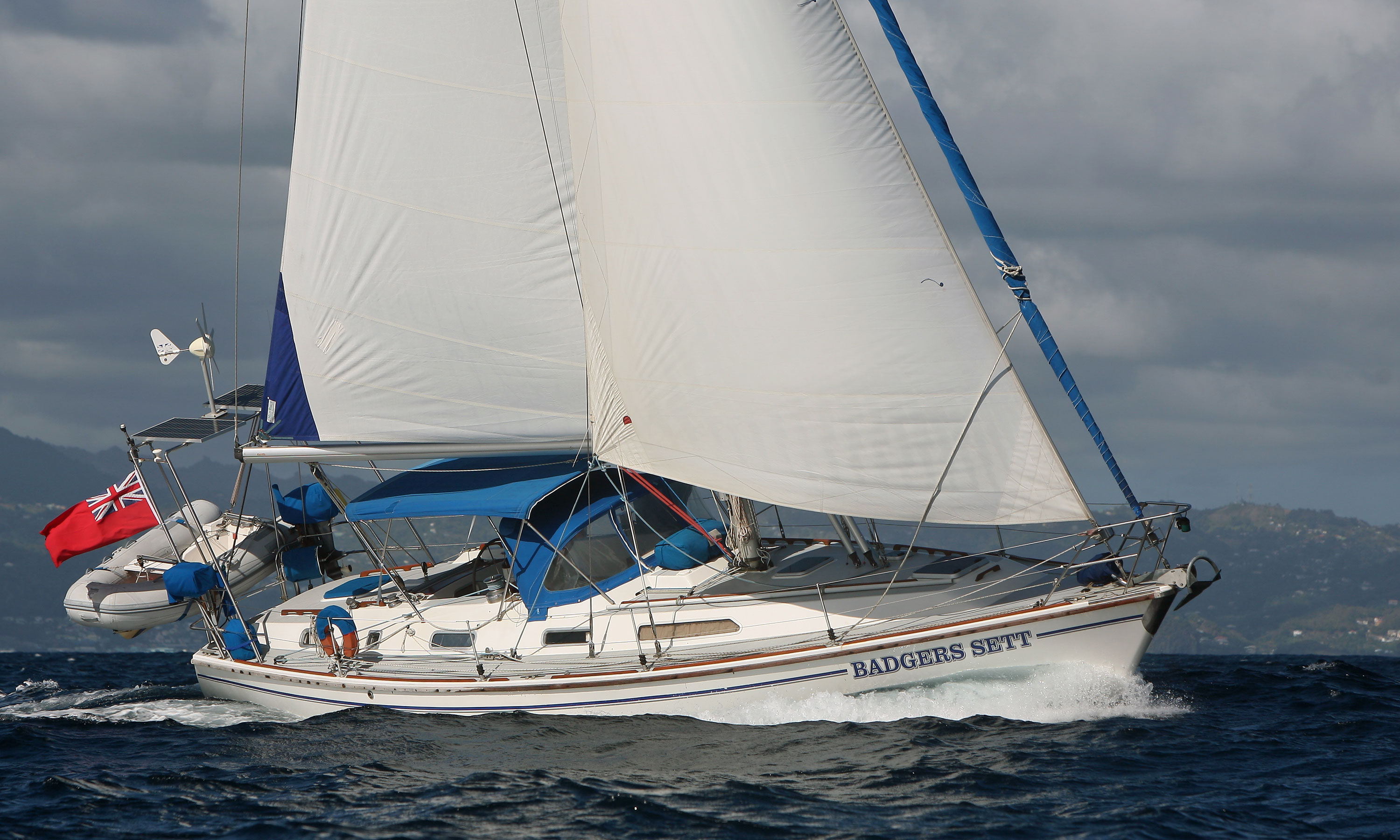 The skipper of this Solent-Rigged Westerly Oceanlord 41 has found the sweet spot with the #2 headsail set and the #1 furled away.
Table of Contents
- The Physics of Airflow: Why the Solent Rig Dominates Upwind
- Heavy Weather Management: The Case for the Cutter Staysail
- Downwind Dynamics & Wing-and-Wing Configurations
- Structural Considerations: Retrofitting & Mast Support
- Cost & Maintenance Realities for Blue Water Cruisers
- Practical Deck Management & Tacking Techniques
- The Hybrid Solution: Why Round the World Racers Choose Both
- Summing Up
- FAQs
When you are standing on the dock looking at a yacht, the distinction between these two rigs can seem subtle, yet it fundamentally changes how the boat handles the ocean. A cutter rig is defined by having two headsails set well apart. The inner forestay is typically attached about one-third of the way down from the masthead and some distance aft of the stemhead on the deck. This creates a large "slot" that allows both the yankee (the outer sail) and the staysail (the inner sail) to be flown simultaneously.
The solent rig, often called a "slutter" in North American circles, takes a different approach. It features two forestays that are nearly parallel and attached very close to each other at both the masthead and the stemhead. Usually, the outer stay carries a large genoa, while the inner stay carries a 100% jib or a heavy-weather blade. Unlike the cutter, you almost never fly both sails at once on a solent rig. It is effectively a sloop that carries its "change of clothes" on the bow, allowing you to switch between a large reaching sail and a flat upwind sail without a messy sail change on a plunging foredeck.
The naming of the solent rig comes from the Solent, the stretch of water between the Isle of Wight and the UK mainland. It is a place of short, steep chops and varying wind strengths where the ability to quickly switch to a smaller, more efficient jib is a massive tactical advantage.
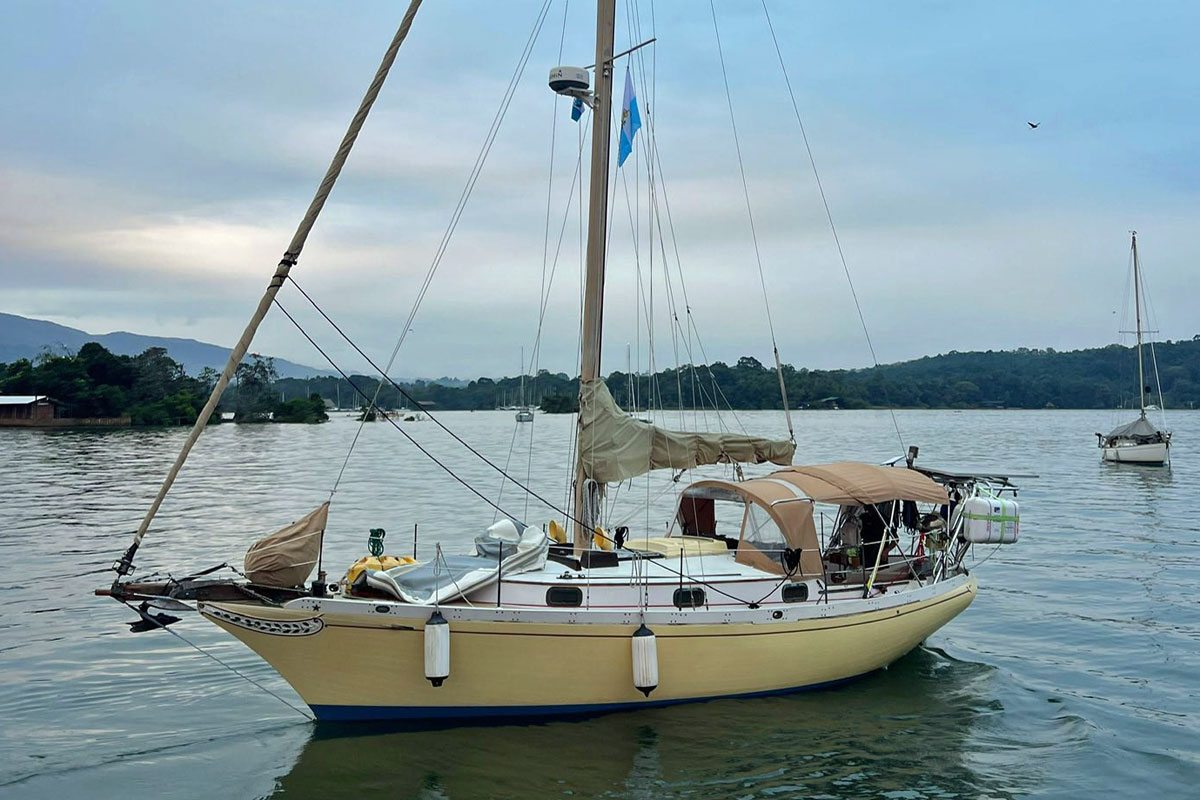
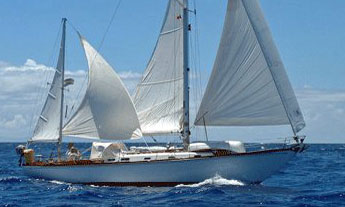
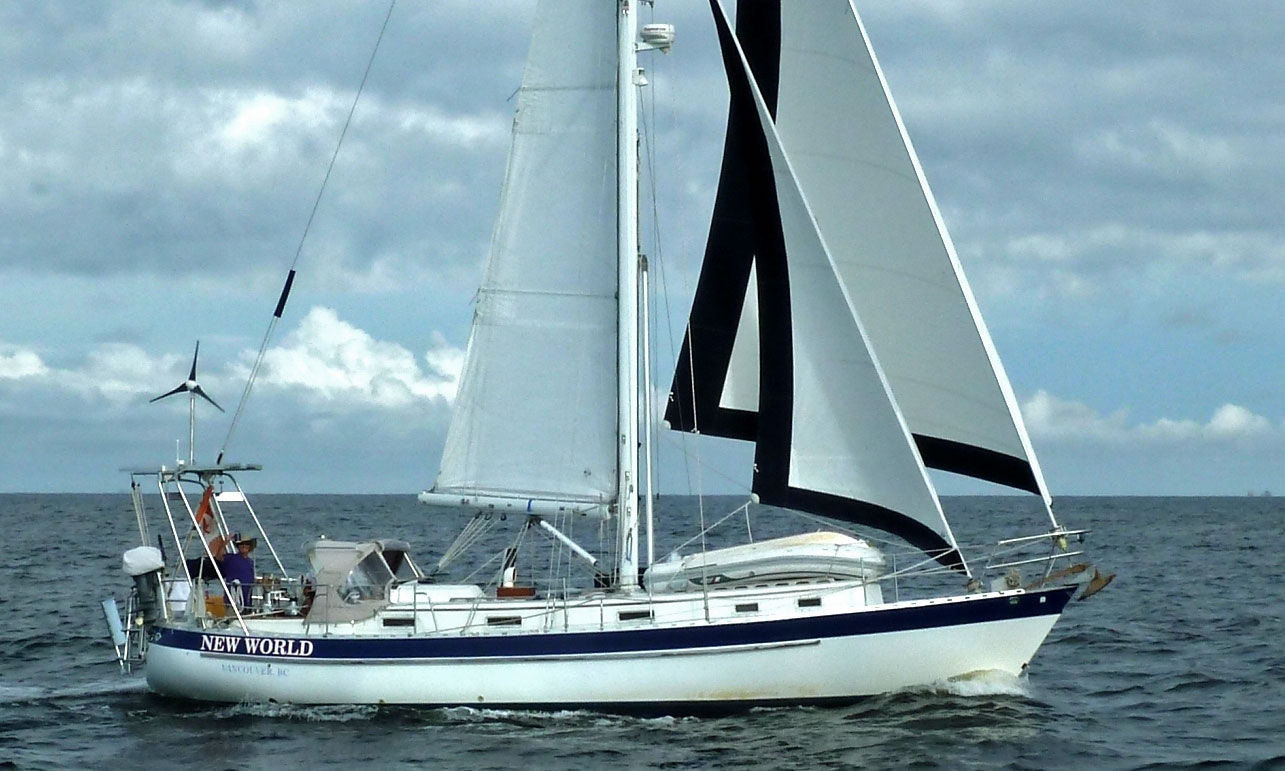 A cutter-rigged Valiant 40
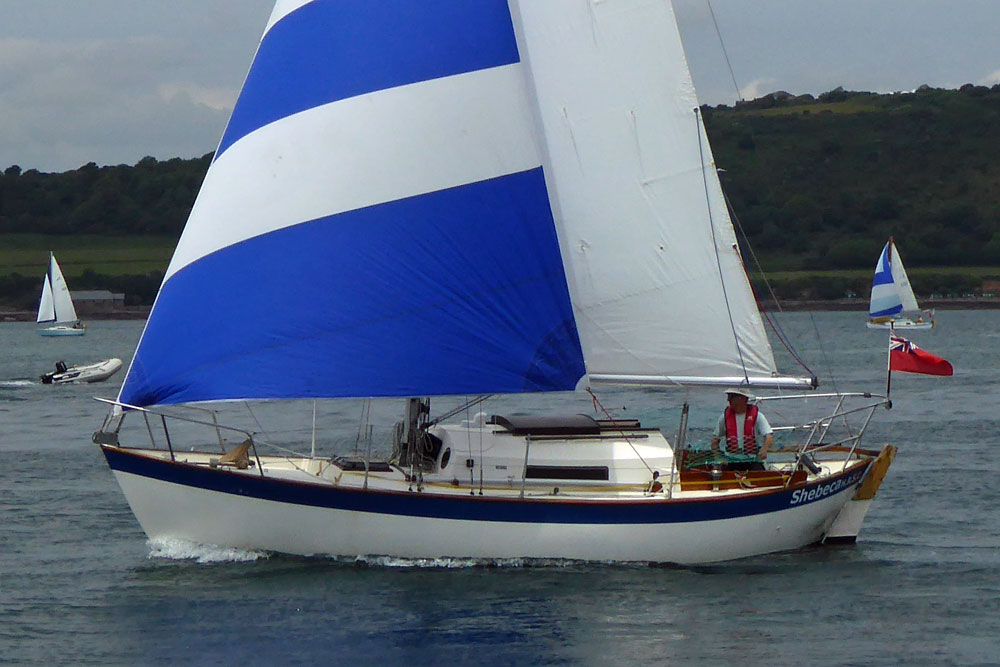
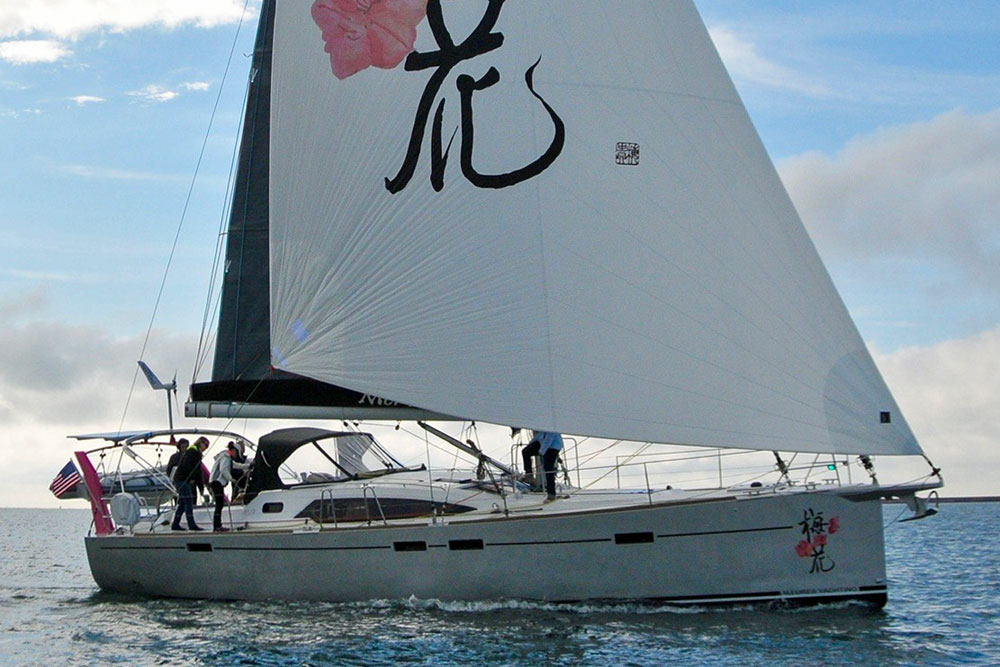
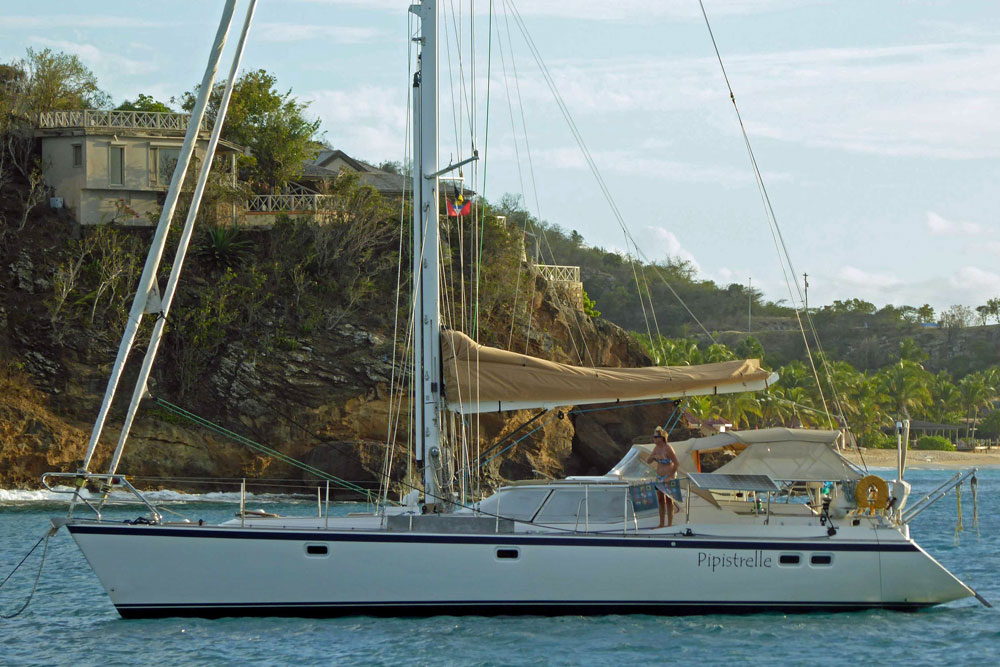 A Solent-Rigged Wauquiez 48
The Physics of Airflow: Why the Solent Rig Dominates Upwind
One of the greatest frustrations for any offshore sailor is trying to point high into the wind with a genoa that has been partially furled. As soon as you roll a sail around a forestay, you lose the aerodynamic curve designed into the cloth. The result is a baggy, inefficient shape that creates more heel than forward drive.
The solent rig solves this by providing a dedicated stay for a smaller, perfectly flat jib. When the wind picks up, you fully furl the large genoa and unfurl the solent jib. Because the stay is located at the masthead, the airflow over the mainsail remains clean. There is no turbulent "wind shadow" created by a bulky furled sail sitting in the middle of the foretriangle, which is a common complaint on cutter rigs.
In light air, the solent rig behaves exactly like a high-performance sloop. You have the full power of a 135% or 150% genoa with no inner stay to disrupt the laminar flow. This makes it the preferred choice for sailors in regions with light to moderate trade winds where upwind efficiency is a priority.
Heavy Weather Management: The Case for the Cutter Staysail
While the solent rig wins on the wind, the cutter rig remains the king of the "nasty stuff." When the barometer drops and the whitecaps start to curl, the cutter rig provides a level of balance that a sloop or solent rig struggles to match.
By dropping the yankee and sailing under a staysail and a reefed main, you bring the centre of effort lower and further aft. This keeps the boat balanced on its helm, reducing the strain on your autopilot or wind vane. Furthermore, the staysail on a cutter is often "self-tacking" on a dedicated boom or track, making short-handed sailing in a blow significantly less stressful.
Heaving-to is also much more effective on a cutter. The staysail is small enough to be backed against the wind without overpowering the boat, creating a stable "slick" that allows the yacht to ride out a storm comfortably. On a solent rig, the inner jib is often still too large or too far forward to provide the same level of stationary stability in a true gale.
Downwind Dynamics & Wing-and-Wing Configurations
For many blue water cruisers, the majority of the time is spent with the wind behind the beam. This is where the solent rig offers a surprising advantage. Because both stays are located at the bow, it is remarkably easy to set up a "wing-and-wing" configuration. You can pole out the genoa to one side and the solent jib to the other.
This setup is incredibly stable and provides a massive amount of sail area without the complexity of a spinnaker or the instability of a single large genoa that constantly threatens to gybe. In a cutter rig, the staysail is often blanketed by the yankee when sailing deep downwind, rendering it useless unless you are sailing a more reaching course (60 to 120 degrees off the wind).
| Feature | Cutter Rig | Solent Rig |
|---|---|---|
| Upwind Efficiency | Moderate (interference from stays) | High (cleaner airflow) |
| Tacking Ease | High (large gap between stays) | Low (must furl forward sail) |
| Storm Handling | Excellent (low centre of effort) | Good (depends on jib size) |
| Downwind Configuration | Complex (sail blanketing) | Excellent (wing-and-wing) |
| Retrofit Complexity | High (requires mast support) | Low (uses masthead) |
Structural Considerations: Retrofitting & Mast Support
If you are looking to upgrade your current sloop for an offshore passage, the solent rig is almost certainly the more economical choice. Because the solent stay attaches to the masthead (or very close to it), the tension is counteracted by your existing backstay. In most cases, you will not need to add running backstays to prevent the mast from pumping.
A cutter rig is a different beast entirely. Because the inner forestay attaches lower down the mast, it creates a forward pull that can cause the mast to bow or pump in a seaway. To counter this, you must install running backstays that lead from the staysail tang down to the aft quarters. This adds a layer of complexity to every tack and gybe, as you must release one runner and tension the other.
Furthermore, the deck loading on a cutter rig is significant. The staysail chainplate must be tied into the bulkhead or a dedicated structural member. For many modern production boats with thin decks and no forward bulkhead in the "right" place, a solent rig is the only safe way to add a second stay without massive internal reconstruction.
Cost & Maintenance Realities for Blue Water Cruisers
Maintaining an offshore rig is not just about the initial purchase; it is about the long-term cost of sails and hardware. A cutter rig requires two sets of sheets, two furling units (usually), and a staysail that may require its own dedicated track or boom.
The solent rig also requires two furling units, but because you are only ever using one at a time, the wear on the sheets is more focused. However, there is a hidden cost to the solent rig: the "solent gap." Because the two stays are so close together, the outer genoa will rub against the inner stay every time you tack. To prevent the sail from being shredded, you usually have to furl the genoa completely, tack the boat, and then unfurl it on the new side. This leads to more wear and tear on the furling line and the sail’s sacrificial strip over thousands of miles.
Practical Deck Management & Tacking Techniques
When you are coastal hopping or beating through a narrow channel, the cutter rig is surprisingly delightful. Because there is a large gap between the staysail and the yankee, the yankee can usually be pulled through the gap during a tack without catching.
On a solent rig, tacking is a chore. If you leave the inner jib furled, the genoa has almost no room to pass through. You have two choices: furl the sail for every tack or go forward and manually help the sail around the stay. For this reason, many solent rig owners only use the big genoa when they know they will be on one tack for hours or days at a time. In confined waters, they will simply sail under the smaller solent jib, accepting the loss of power for the sake of sanity.
The Hybrid Solution: Why Round the World Racers Choose Both
If you look at modern IMOCA 60s or Class 40s used in solo round-the-world races, you will notice they don't strictly adhere to one or the other. They often use a hybrid setup. They might have a masthead reacher (solent-style) but also a fractional staysail (cutter-style) on a removable Dyneema stay.
This "best of both worlds" approach is becoming popular with high-end cruisers. By using a removable inner forestay made of synthetic fibre, you can have a clean, fast sloop rig for light air and coastal sailing. When the weather turns, you set the stay, hoist a heavy-weather staysail, and suddenly you have the heavy-weather balance of a cutter. The only downside is the need to go onto the foredeck to set the stay—a task that requires a steady hand and a good harness when the boat is pitching.
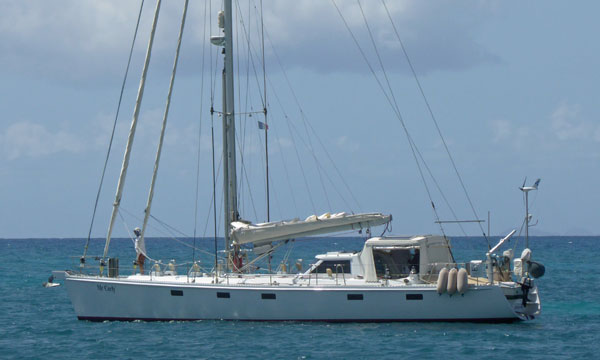 'Mr Curly', a 65' Chuck Paine design has 3 headsails to choose from
The Missing Link: Tensioning the Hybrid Rig
While the IMOCA 60s use complex internal hydraulic rams or high-purchase blocks led to primary winches, the practical offshore cruiser needs something simpler. If you opt for the hybrid setup—a removable Dyneema or wire stay—you must have a way to tension it instantly.
A Highfield Lever allows you to:
- Engage the Stay: Hook the stay to the deck chainplate while it is still relatively slack (and safe to handle).
- Apply Instant Load: Throw the lever over to "cam" the stay into high tension.
- Maintain Safety: Ensure the stay doesn't vibrate or "pump," which protects the mast tang and the deck fittings from fatigue.
Without this kit, setting a removable stay on a pitching foredeck becomes a slow, dangerous chore involving threaded turnbuckles that are easily cross-threaded or dropped overboard.
Whether you’re the prouder owner of a 65footer like the one above, or considering the purchase of a rather more modest one, understanding the different sail rigs is crucial. To explore this topic further and see how the various rigs fit into the wider world of sailboat design, be sure to check out our article “The Ultimate Guide to Sailboats & Rigs: Sloops, Ketches & More.”
Summing Up
Ultimately, the choice between a cutter rig vs solent rig is a choice between traditional heavy-weather security and modern aerodynamic efficiency. The cutter rig remains the gold standard for those heading into high latitudes or areas known for frequent gales, providing a balanced, manageable sail plan that keeps the boat under control when things get hairy. The solent rig, meanwhile, is the perfect evolution for the modern cruiser who spends more time in the trades, offering better upwind pointing and a simple way to manage sail area without sacrificing speed. Whichever you choose, ensuring your mast and deck are structurally reinforced for the extra loads is the most important step in your offshore preparation.

This article was written by Dick McClary, RYA Yachtmaster and author of the RYA publications 'Offshore Sailing', member of The Yachting Journalists Association (YJA), erstwhile member of the Ocean Cruising Club (OCC) and owner/administrator of 'Liveaboard Sailboats for Sale'.

FAQs
What is a "yankee" headsail?
What is a "yankee" headsail?
A yankee is a high-cut headsail, meaning its clew is significantly higher off the deck than a traditional genoa. This design helps prevent the foot of the sail from dipping into waves and allows the staysail to capture more wind.
Do I really need running backstays with a cutter rig?
Do I really need running backstays with a cutter rig?
Yes, in most cases, running backstays are a necessary component of a true cutter rig. They are crucial for supporting the mast and counteracting the forward tension placed on it by the inner forestay, especially when the staysail is set.
Can I fly both headsails on a Solent Rig?
Can I fly both headsails on a Solent Rig?
You can, but it is generally not recommended for normal sailing. The sails are set too close together, with the forward sail blanketing the aft sail. The exception is when sailing dead-downwind, where you can pole out one sail on each side.
Which rig is better for single-handed sailing?
Which rig is better for single-handed sailing?
While a cutter rig's smaller sails can be easier to manage, the Solent Rig's simplicity—only one headsail is ever flown at a time, and no running backstays are required—often makes it the preferred choice for short-handed or single-handed sailors.
How do modern sails like a Code Zero fit into these rigs?
How do modern sails like a Code Zero fit into these rigs?
Modern cruisers often use a Code Zero or similar light-air sail on a furler. This sail can be set on the outer stay of a Solent Rig or as an extra sail on a cutter, providing a powerful boost in light wind conditions.
Do I need running backstays for a solent rig?
Do I need running backstays for a solent rig?
Generally, no. Because the solent stay attaches very close to the masthead, the existing backstay provides enough counter-tension. If the stay is attached more than a few inches below the masthead, you should consult a rigger about adding runners.
Resources Used
- "Bluewater Cruising: Cutter Rig versus Solent Rig - Part 1" by Upffront - https://www.upffront.com/blog/sailing-equipment-1/bluewater-cruising-cutter-rig-vs-solent-rig-part-1-309
- "Cutter or sloop rig? Which is best for offshore and ocean cruising" by Rustler Yachts - https://www.rustleryachts.com/cutter-or-sloop-rig/
- "CRUISING SAILBOAT RIGS: Sloops, Cutters, and Solent Rigs" by Wavetrain - https://wavetrain.net/2015/06/17/cruising-sailboat-rigs-sloops-cutters-and-solent-rigs/
- "Fitting a Solent/ Emergency Stay" from the YBW Forum - https://forums.ybw.com/threads/fitting-a-solent-emergency-stay.502888/
- "The DIY Solent Stay or Inner Forestay" by Practical Sailor - https://www.practical-sailor.com/blog/the-diy-solent-stay-or-inner-forestay-2
- "Bluewater Cruising: Cutter Rig versus Solent Rig - Part 2" by Sailworld Cruising - https://www.sailworldcruising.com/news/212343/Cutter-Rig-versus-Solent-Rig-part-2
Recent Articles


-
Mystery 35 Review: Specs, Performance & Buying Guide
Aug 29, 26 09:42 AM
An in-depth review of the Mystery 35 sailboat. Read technical specs, design ratios, sail performance, and common buyer inspection areas. -
Beneteau First 405 Review: Specs, Performance & Buyer’s Guide
Aug 26, 26 03:58 AM
Detailed Beneteau First 405 review covering specs, performance, bluewater capability, layouts and buyer’s checklist. -
Moody S38 Review: Specs, Ratios & Buyer’s Guide
Aug 12, 26 04:22 AM
In‑depth Moody S38 review covering specs, performance, design ratios, layout, strengths, trade‑offs & buyer inspection points.