- Home
- Cruising Yachts 35' to 40'
- Bavaria 36 Sailboat Review
Bavaria 36 Sailboat Review
Specs, Performance Analysis & Cruising Characteristics
Key Takeaways: The Bavaria 36 is a late‑1990s European production cruiser aimed at family sailing, charter fleets and coastal passage‑making rather than hardcore ocean voyaging. It offers generous interior volume, a comfortable cockpit and straightforward systems, all wrapped in a beamy hull with a bulb keel and spade rudder. Performance is lively enough in moderate conditions, with good reaching and downwind pace, but the design ratios and hull form point clearly to coastal and semi‑offshore use. Buyers get a lot of boat for the money, but should approach older examples with a careful eye on build details, maintenance history and typical refit items such as rigging, sails and saildrive seals. It suits crews who value space, comfort and easy handling over rugged expedition capability.
 Bavaria 36
Table of Contents
- The Bavaria 36 at a Glance
- Design & Construction
- Published Specification: The Bavaria 36 Blueprint
- Sail Areas & Rig Dimensions
- Performance Analysis: Understanding the Design Ratios
- How the Bavaria 36 Sails
- Bluewater Capability: Strengths & Trade-Offs
- Configuration, Layout & Cruising Characteristics
- Who This Boat Is Best For
- The Buyer’s Checklist: Common Problem Areas
- Summing Up
- Frequently Asked Questions (FAQs)
The Bavaria 36 at a Glance
- Type: Production cruising monohull
- Designer: J&J Design
- Builder: Bavaria Yachts (Germany)
- Production Years: 1998–2000 (later marketed as Bavaria 37)
- Rig: Masthead sloop, aluminium spar, swept spreaders
- Best for: Coastal cruising, channel crossings, family sailing, charter use
- Strengths: Big interior for length, practical cockpit, simple systems, good value on the used market
- Trade-offs: Modest motion comfort, coastal‑biased stability ratios, beamy hull that prefers moderate conditions and sensible loading
Design & Construction
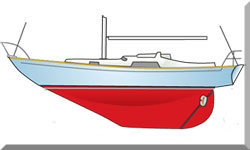
J&J Design drew the Bavaria 36 at a time when European yards were chasing volume and comfort for the charter and family cruising market. The hull is a fairly full fin with a bulb keel and a spade rudder, carrying its beam well aft to maximise interior space and cockpit width. That fullness is obvious in plan view: the bow entry is broader than on performance‑oriented designs of the same era, and the stern is wide enough to support a generous aft cabin and large lazarette.
Construction is conventional for a late‑1990s production cruiser. The hull is glass‑reinforced plastic with an internal structural grid bonded to the shell, taking keel loads and supporting the floors. The keel is an iron bulb bolted to a shallow fin, with a standard deep draft around 6'1" (1.85m) and a shallower option in the region of 5'5" (1.65m) for shoal‑water sailing. The rudder is a spade on a stock carried in bearings at hull and deck level, giving a light helm but demanding periodic inspection of bearings and seals.
The deck is moulded GRP with a plywood or foam core in way of high‑load areas. Side windows are typically bonded acrylic rather than through‑bolted framed units, which keeps the exterior clean but means that ageing sealant and UV exposure can lead to leaks or crazing if not maintained. Chainplates are integrated into the internal structure, with stainless plates tied into bulkheads and the grid rather than external strap chainplates. This arrangement works well if the interior structure is dry and sound, but it makes inspection slightly more involved, as access is through lockers and behind trim.
Several versions of the Bavaria 36 were offered. Keel options included deep and shallow bulb keels. Layouts varied between two‑cabin and three‑cabin arrangements, with either a single large aft cabin or twin aft cabins, and heads located forward or aft depending on the charter brief. Later, a closely related hull was marketed as the Bavaria 37 with minor changes to interior and deck layout. The overall design philosophy is clear: maximise usable space and keep systems simple, while accepting that the boat sits firmly in the coastal cruising bracket rather than as a heavy‑weather passagemaker.
Published Specification: The Bavaria 36 Blueprint
| Specification | Value |
|---|---|
| Length Overall (LOA) | 37'10" (11.55m) |
| Length Waterline (LWL) | 30'10" (9.40m) |
| Beam | 12'1" (3.68m) |
| Draft (deep keel) | 6'1" (1.85m) |
| Draft (shallow keel, approx.) | 5'5" (1.65m) |
| Displacement | 11,817lb (5,360kg) |
| Ballast | 3,924lb (1,780kg) iron bulb |
| Rig Type | Masthead sloop |
| Hull Material | Fibreglass (GRP) |
| Production Dates | 1998–2000 (renamed Bavaria 37 thereafter) |
Sail Areas & Rig Dimensions
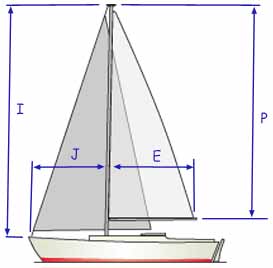 Rig dimensions
For the standard masthead sloop rig:
- I (foretriangle height): 46'4" (14.12m)
- J (foretriangle base): 12'2" (3.71m)
- P (mainsail luff): 44'8" (13.62m)
- E (mainsail foot): 16'8" (5.08m)
Sail areas (approximate):
- Battened mainsail: 333.7ft² (31m²)
- Roller‑furling mainsail (shorter hoist): 279.9ft² (26m²)
- Genoa (typical 135%): 348.8ft² (32.4m²)
- Total working sail area (battened main + genoa): 682.4ft² (63.4m²)
These figures place the Bavaria 36 in the moderate‑to‑lively bracket for a cruising boat of its displacement, especially when sailed with the full‑size genoa and a conventional mainsail.
Performance Analysis: Understanding the Design Ratios
Using the published dimensions and displacement, the key ratios for the Bavaria 36 are:
| Ratio | Value | Practical Meaning |
|---|---|---|
| Sail Area/Displacement (SA/D) | ≈21.1 | Suggests lively performance for a cruiser, rewarding trim and keeping pace in moderate airs. |
| Displacement/Length (D/L) | ≈180 | Places the boat in the moderate displacement band, neither ultra‑light nor heavy, with balanced speed and carrying capacity. |
| Ballast/Displacement (B/D) | ≈33% | Provides reasonable stiffness for coastal sailing, but not the deep‑keel, high‑ballast security of a true ocean plodder. |
| Capsize Screening Formula (CSF) | ≈2.1 | Above the classic offshore threshold of 2.0, indicating a design more suited to coastal and semi‑offshore work. |
| Brewer Motion Comfort Ratio | ≈20 | Points to a livelier motion than heavier cruisers; acceptable for shorter passages, less relaxing in long ocean swells. |
Taken together, these ratios paint a consistent picture. The Bavaria 36 has enough sail to move well in typical coastal conditions, with a moderate displacement that keeps costs and loads down. The ballast and capsize figures, however, sit on the coastal side of the offshore line, and the motion comfort ratio confirms that this is not a heavy, slow‑rolling passagemaker.
For more on this topic, you might want to take a look at Understanding Boat Performance & Design Ratios...
How the Bavaria 36 Sails
Upwind, the Bavaria 36 rewards a sensible sail plan and careful trim. The relatively full bow and beamy mid‑section mean it does not slice to windward like a narrower performance hull, but in moderate seas and with the deep keel it will hold a respectable angle and speed. Owners report that the boat likes to be sailed fairly flat; once pressed hard and heeled beyond the sweet spot, leeway increases and the helm loads up.
Reaching is where the design comes alive. The generous sail area and broad stern give good pace on a beam reach, and the boat feels stable and predictable. Downwind, with a poled‑out genoa or cruising chute, the hull form supports easy surfing in moderate waves without feeling skittish, provided the rudder bearings and steering are in good order.
The helm is generally light, thanks to the spade rudder and balanced rig. Mid‑boom sheeting and swept spreaders make reefing straightforward, though the loads on the mainsheet system can be significant, so hardware condition matters. Short‑handed crews will appreciate the simple sail plan and the way the boat responds to early reefing; dropping the first reef around 15–18 knots keeps the boat comfortable and reduces weather helm.
Motion is livelier than on heavier cruisers. In short chop, the fuller bow can slap, and the beamy hull can give a snappier roll at anchor. In typical coastal conditions, though, most crews find the motion acceptable, especially when weight is kept low and central rather than piled high in lockers.
Bluewater Capability: Strengths & Trade-Offs
The Bavaria 36 sits firmly in the coastal and semi‑offshore category. It has crossed oceans in the hands of experienced skippers who understand its limits, but its design ratios and construction details are not aimed at heavy‑weather voyaging.
Tankage is modest: around 79 gallons (299L) of water and 24 gallons (91L) of fuel in original configuration. That is fine for coastal cruising and shorter passages, but it demands careful planning for longer routes unless additional tanks or bladders are fitted. Load‑carrying capacity is adequate for typical cruising gear, but the moderate displacement means that over‑loading will quickly affect performance and motion.
Deck safety is reasonable for a production cruiser of the era. Side decks are wide enough to move forward, and the cockpit is deep and secure. Stanchions and guardrails are typical production fittings; on older boats, bases and backing plates should be checked for corrosion and movement. Non‑skid moulding is adequate, though some owners choose to add extra grip in high‑traffic areas.
In terms of seakindliness, the boat behaves best when sailed within its design envelope: reefed early, kept reasonably flat, and not burdened with excessive weight high and aft. For bluewater ambitions, many owners upgrade storm sails, fit stronger ground tackle, add extra tankage and reinforce key fittings. Even then, the underlying ratios still place the boat in the coastal bracket, so expectations should be set accordingly.
Configuration, Layout & Cruising Characteristics
The cockpit is one of the Bavaria 36’s strong points. It is wide and comfortable, with a central wheel, good backrests and space for a crew to lounge or work. The mainsheet is led to the coachroof, keeping the cockpit clear, and primary winches are within reach of the helm for short‑handed sailing. The transom often features a fold‑down bathing platform, which is popular in warm‑water cruising and charter use.
Below, the interior reflects the late‑1990s Bavaria style: light woods, simple joinery and a focus on volume. Two‑cabin versions offer a generous aft cabin to port and a large forward cabin, with a single heads compartment. Three‑cabin layouts split the aft space into twin cabins, with slightly reduced locker volume but more berths for charter crews. Headroom is around 6'2" (1.88m) in the saloon, which feels spacious for a 36‑footer.
The galley is typically L‑shaped, with a two‑burner cooker, fridge and reasonable worktop space. Storage is adequate for coastal cruising, though long‑term liveaboards may find themselves adding bins and organisers to make better use of lockers. Berths are comfortable for a couple and occasional guests; for full‑time liveaboard use, the boat works best for two to four people who are happy to share space.
Storage for cruising gear is acceptable but not generous. The beamy hull gives good locker volume, yet the moderate displacement means that loading should be controlled. A large cockpit locker and under‑berth spaces handle sails, fenders and tools, but heavy items such as spare anchors and jerrycans need careful placement to avoid upsetting trim.
Who This Boat Is Best For
Good fit for:
- Coastal cruisers: Couples or families sailing coastal routes, channel crossings and summer cruises.
- Charter buyers: Owners placing the boat in charter fleets where space and comfort matter.
- Value‑focused sailors: Those wanting a modern interior and usable performance without paying premium brand prices.
- Hands‑on owners: Skippers happy to maintain systems and carry out sensible upgrades over time.
Less ideal for:
- Heavy‑weather voyagers: Sailors planning repeated ocean crossings or high‑latitude routes.
- Very weight‑intensive liveaboards: Crews who want to carry large stores and extensive spares.
- Performance racers: Those seeking sharp upwind performance and high pointing angles.
- Owners unwilling to inspect and refit: Buyers hoping for a maintenance‑free boat may be disappointed by typical age‑related jobs.
The Buyer’s Checklist: Common Problem Areas
For a buyer inspecting a Bavaria 36, the following points deserve close attention:
- Keel & hull joint: Check for any signs of movement, cracking or rust staining around the keel‑to‑hull interface, especially after groundings.
- Rudder & steering: Inspect rudder bearings for play, check for water ingress in the rudder blade, and confirm smooth steering with no stiffness or knocking.
- Saildrive & engine: Many boats carry a Volvo saildrive. Confirm the age of the saildrive diaphragm, look for corrosion on the leg, and review service records. Engine mounts, exhaust elbows and cooling systems should be checked carefully.
- Rigging: Standing rigging on a late‑1990s boat is likely due for replacement if not already done. Look for cracked swages, corrosion at terminals and any signs of mast step issues.
- Windows & hatches: Bonded side windows can leak as sealant ages. Check for staining, softness in surrounding trim and crazing of acrylic. Hatch seals and hinges also deserve inspection.
- Deck fittings: Stanchion bases, cleats and genoa tracks should be checked for movement and sound backing. Any signs of moisture around fasteners may indicate core issues.
- Interior joinery: Look for signs of water ingress around chainplates, under side decks and in the heads. Veneer lifting, staining and mould can point to leaks.
- Electrics & plumbing: Original wiring and plumbing may be basic. Check for tidy upgrades, secure connections and sound hoses, especially in the heads and bilge.
- Osmosis & hull condition: While many Bavarias of this era have fared well, a professional survey should include moisture readings and a close look at the underwater hull.
Typical refit costs might include a full rigging replacement, new sails, saildrive diaphragm, upgraded electronics, and cosmetic work such as upholstery and headlining. Budgeting for these items up front helps avoid surprises.
Could this be your ideal cruising boat?
It may well be, but before going any further, it might be worth taking a look at my eBook 'How to Avoid Buying the Wrong Sailboat'...
Summing Up
The Bavaria 36 offers a lot of boat for its length and price bracket. J&J’s design delivers generous interior space, a comfortable cockpit and a sail plan that keeps the boat moving in typical coastal conditions. The design ratios and hull form, however, make it clear that this is a coastal and semi‑offshore cruiser rather than a heavy‑displacement ocean machine.
For the right owner, that is not a drawback. If your sailing plans centre on coastal passages, channel crossings, summer cruises and perhaps a well‑timed Atlantic crossing with sensible preparation, the Bavaria 36 can serve well. The key is to buy with eyes open: inspect the keel joint, rudder, rigging, windows and saildrive carefully, budget for age‑related refits, and keep loading under control. Do that, and you gain a comfortable, capable cruiser that delivers good value and enjoyable sailing without pretending to be something it is not.

This article was written by Dick McClary, RYA Yachtmaster and author of the RYA publications 'Offshore Sailing' and 'Fishing Afloat', member of The Yachting Journalists Association (YJA), erstwhile member of the Ocean Cruising Club (OCC) and owner/administrator of 'Liveaboard Sailboats for Sale'.

Frequently Asked Questions (FAQs)
How does the Bavaria 36 cope with heavy weather compared to heavier bluewater cruisers?
How does the Bavaria 36 cope with heavy weather compared to heavier bluewater cruisers?
It can handle short spells of bad weather if reefed early and sailed conservatively, but its ratios and hull form favour avoiding prolonged exposure to strong winds and big seas. Heavier, deeper‑keeled cruisers will feel calmer and more reassuring in sustained heavy conditions.
What upgrades are most worthwhile for owners planning longer passages?
What upgrades are most worthwhile for owners planning longer passages?
Common upgrades include new standing rigging, high‑quality storm sails, improved ground tackle, additional tankage or watermaker, upgraded electronics and careful reinforcement or replacement of key deck fittings such as stanchions and chainplates.
Is the Bavaria 36 suitable for full‑time liveaboard use?
Is the Bavaria 36 suitable for full‑time liveaboard use?
It can work well for couples or small families who manage weight and storage thoughtfully. The interior volume is generous, but tankage and displacement limit how much gear and stores can be carried before performance and motion suffer.
How does the Bavaria 36 compare to similar cruisers like the Beneteau Oceanis 361 or Jeanneau Sun Odyssey 37?
How does the Bavaria 36 compare to similar cruisers like the Beneteau Oceanis 361 or Jeanneau Sun Odyssey 37?
All three sit in the coastal‑cruising, charter‑friendly bracket, with similar ratios and interior volume. The Bavaria often offers slightly more value on the used market, while the French boats may have marginally softer motion and different interior styling. Choice often comes down to individual condition and personal preference.
Are there structural concerns specific to Bavarias of this era?
Are there structural concerns specific to Bavarias of this era?
The internal grid and keel arrangement are generally sound if not abused, but groundings, neglected saildrive maintenance, ageing windows and rigging, and occasional issues around deck fittings can arise. A thorough survey focused on these areas is strongly recommended.
What kind of cruising speeds can owners realistically expect?
What kind of cruising speeds can owners realistically expect?
In moderate conditions, a well‑sailed Bavaria 36 will sit happily around 6–7 knots on a reach, with hull speed around 7.4 knots. Upwind in a chop, speeds will drop, and careful trim is needed to keep the boat moving.
Why is it called the Bavaria 36 when its length overall is 37'10"?
Why is it called the Bavaria 36 when its length overall is 37'10"?
The Bavaria 36 carries a model designation, not a literal length. This is extremely common in European production boatbuilding, especially from the mid‑1990s onward. Bavaria, Beneteau, Jeanneau, Dufour and Hanse all did the same thing: the model number became a market segment indicator rather than a measurement.
Recent Articles


-
Mystery 35 Review: Specs, Performance & Buying Guide
Aug 29, 26 09:42 AM
An in-depth review of the Mystery 35 sailboat. Read technical specs, design ratios, sail performance, and common buyer inspection areas. -
Beneteau First 405 Review: Specs, Performance & Buyer’s Guide
Aug 26, 26 03:58 AM
Detailed Beneteau First 405 review covering specs, performance, bluewater capability, layouts and buyer’s checklist. -
Moody S38 Review: Specs, Ratios & Buyer’s Guide
Aug 12, 26 04:22 AM
In‑depth Moody S38 review covering specs, performance, design ratios, layout, strengths, trade‑offs & buyer inspection points.