- Home
- Cruising Yachts 45' to 50'
- Formosa 46 Offshore Cruising Yacht Guide
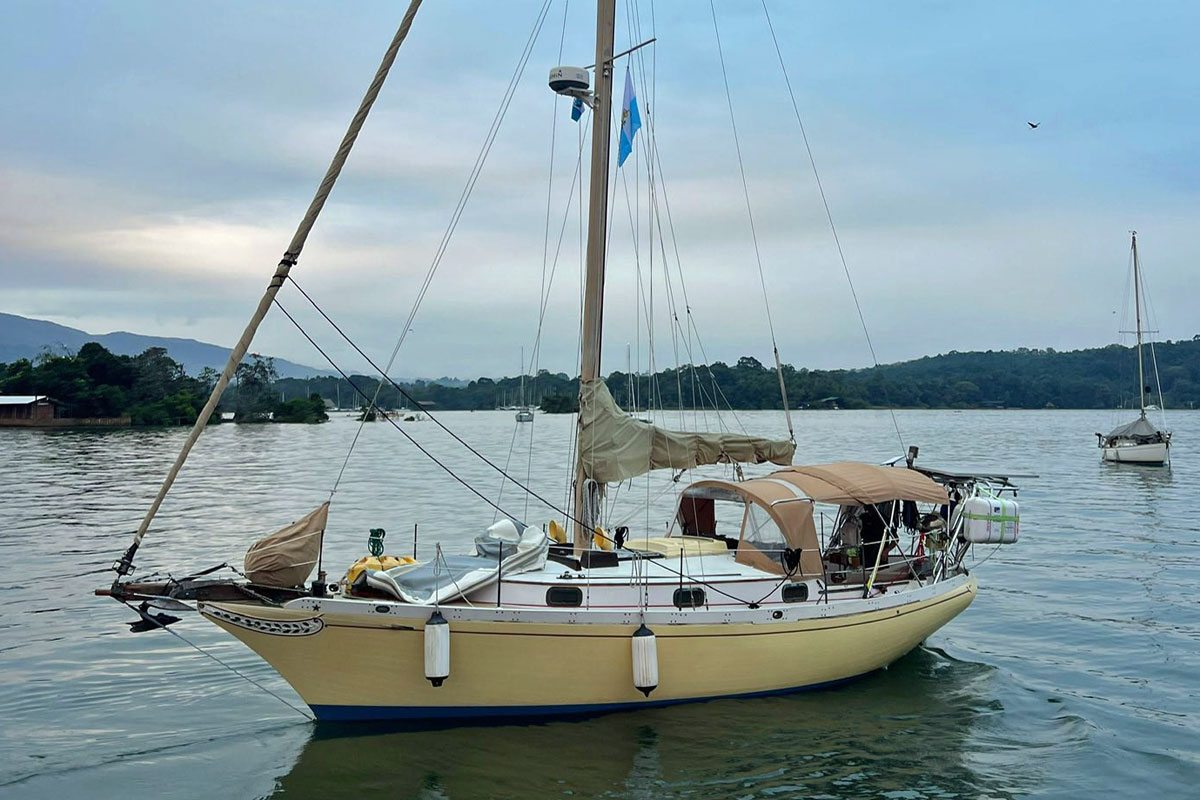
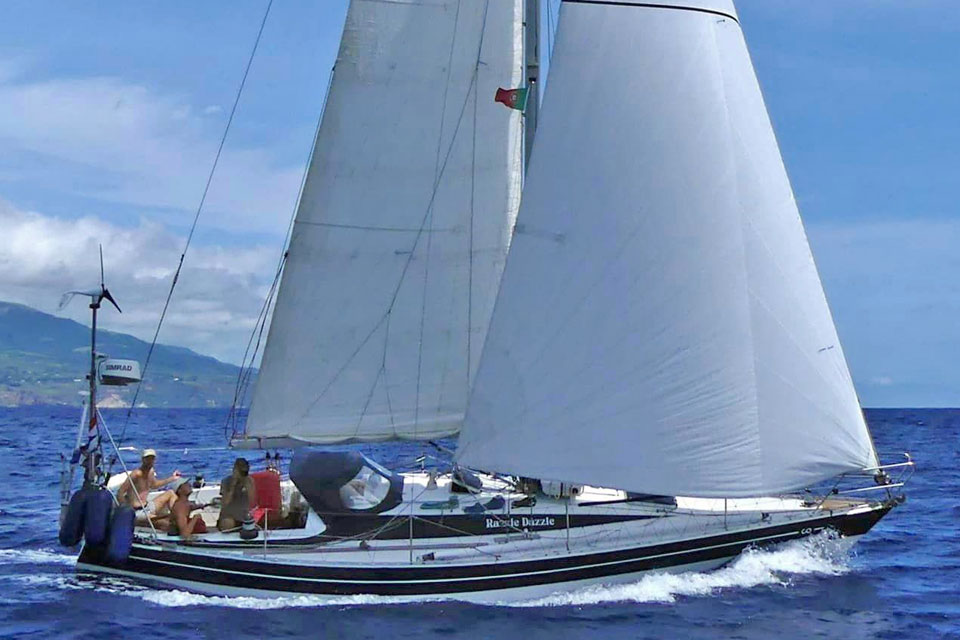
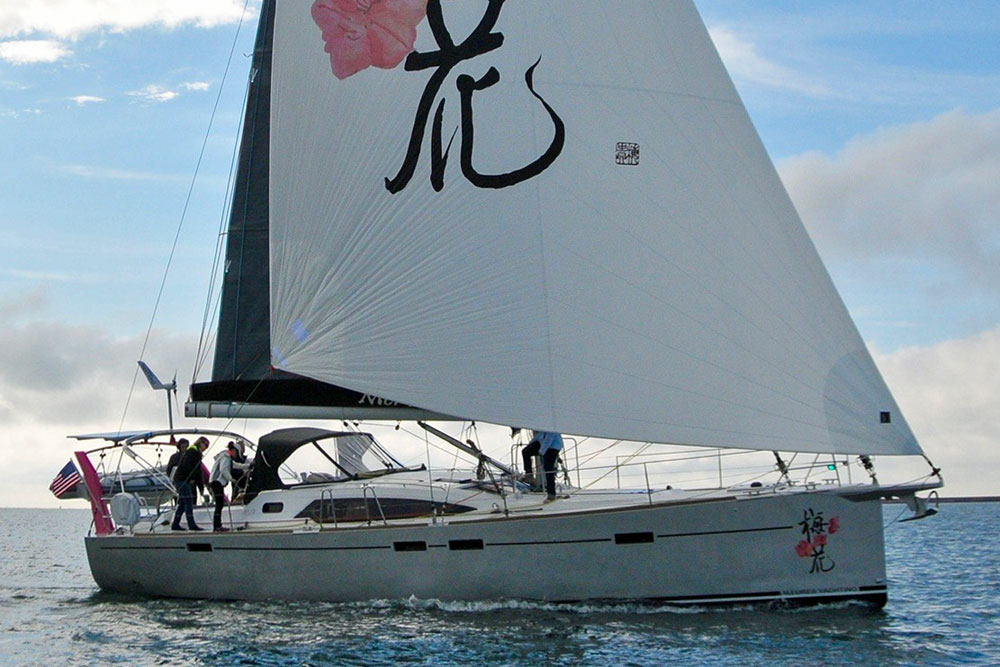
Formosa 46 Sailboat
Specs, Performance Analysis & Cruising Characteristics
Key Takeaways: The Formosa 46 is a Doug Peterson‑designed, Taiwanese‑built bluewater cruiser with a fin keel and skeg‑hung rudder, moderate displacement and conservative sail plan. It is happiest as a long‑legged passagemaker rather than a light‑air flyer, offering good tracking, reassuring motion and a comfortable interior for a couple or family. Strengths include robust construction, proven offshore pedigree and a layout that works well for extended cruising. Trade‑offs are weight, windward performance compared with modern light‑displacement boats, and the usual age‑related issues of 1970s–80s Taiwanese builds.
Table of Contents
- The Formosa 46 at a Glance
- Design & Construction
- Published Specification: The Formosa 46 Blueprint
- Sail Areas & Rig Dimensions
- Performance Analysis: Understanding the Design Ratios
- How the Formosa 46 Sails
- Bluewater Capability: Strengths & Trade-Offs
- Configuration, Layout & Cruising Characteristics
- Who This Boat Is Best For
- The Buyer’s Checklist: Common Problem Areas
- Summing Up
- Frequently Asked Questions (FAQs)
The Formosa 46 at a Glance
- Type: Bluewater cruising monohull, fin keel with rudder on skeg
- Designer: Doug Peterson (unauthorised production licence, but widely recognised as a Peterson hull)
- Builder: Formosa Boat Building Co. / Formosa Yachts, Taiwan (with closely related sister builds at Queen Long and under the Spindrift 46 name)
- Production years: First built around 1978; main production late 1970s through 1980s
- Rig: Although the cutter‑rigged version is by far the most common configuration seen today, the Formosa 46 was also produced as a straight masthead sloop on some builds.
- Best for: Offshore passagemaking, liveaboard cruising, ocean voyaging for a couple or small crew
- Strengths: Robust lay‑up, proven hull form, comfortable motion, practical interior, good load‑carrying and tracking
- Trade‑offs: Moderate sail area, weight, age‑related maintenance, and windward performance that is solid rather than sparkling
Design & Construction
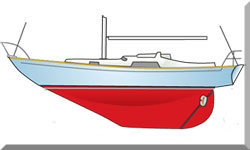
The Formosa 46 is very much a product of the late‑1970s Taiwanese boom in fibreglass cruising yachts, but with a more performance‑oriented hull than the clipper‑bowed ketches that made the yard famous. Doug Peterson’s design uses a fin keel and a deep, skeg‑hung rudder, giving the boat a more modern underwater profile and better upwind ability than the full‑keel Formosas. The hull is fibreglass, typically with a heavy solid lay‑up below the waterline and cored structures in the deck to save weight and stiffen the panel spans. Ballast is around 10,000 lb (4,536 kg) of lead, externally mounted, giving a displacement of roughly 33,000 lb (14,969 kg).
Deck and topside detailing vary slightly between yards and individual boats, but you can expect substantial teak in the cockpit and on deck on many examples, along with teak‑rich interiors. Some boats have teak‑planked decks over fibreglass, others have moulded non‑skid with teak trim; the former demand careful inspection for fastener‑related leaks and core moisture. Portlights are usually framed metal units and fixed windows are typically through‑bolted or mechanically fastened rather than simply bonded, but given the age and refit history of these yachts, buyers should confirm the exact arrangement on the boat in front of them rather than relying on a single pattern. Chainplates on Peterson‑era Taiwanese cruisers are often internal, glassed into substantial structural members or tied into bulkheads; again, details vary, and inspection for corrosion, cracking and water ingress around the chainplate penetrations is essential.
Structurally, the boat uses a combination of longitudinal stringers and transverse floors, with the keel stub and skeg forming key load paths. The rudder is supported by the skeg, which helps tracking and reduces the risk of damage compared with a spade rudder, though it adds some drag. The hull shape carries volume well aft, giving a generous aft cabin and good stowage, while the bow is finer than the older Formosa clipper designs, improving entry into waves. There were closely related versions marketed as the Spindrift 46 and Kelly Peterson 46, sharing the same basic hull but with different interior and deck treatments; for buying advice, it is worth treating them as siblings rather than entirely separate boats.
Published Specification: The Formosa 46 Blueprint
Below is a consolidated specification set based primarily on Keel Index and Listings Port data, cross‑checked against other archives.
| Specification | Value |
|---|---|
| LOA | 45'0" (13.72 m) |
| LWL | 39'7" (12.07 m) |
| Beam | 12'11" (3.94 m) |
| Draft (max) | 6'6" (1.97 m) |
| Draft (min) | Fin keel and skeg-hung rudder |
| Displacement | 33,000 lb (14,969 kg) |
| Ballast | 10,000 lb (4,536 kg) |
| Rig type | Cutter, but a few sloops were produced |
| Hull material | Fibreglass (GRP) |
| Production dates | From 1978 through the 1980s (approximate) |
Sail Areas & Rig Dimensions
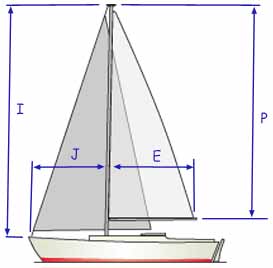 Rig dimensions
Using combined data from Listings Port and specialist sail calculators, the rig dimensions and typical sail areas are:
| Rig element | Dimension / Area |
|---|---|
| I (foretriangle height) | 53'0" (16.15 m) |
| J (foretriangle base) | 19'3" (5.87 m) |
| P (mainsail luff) | 47'0" (14.33 m) |
| E (mainsail foot) | 17'0" (5.18 m) |
| Mainsail area | ≈406 ft² (37.7 m²) |
| Working headsail (≈115% jib) | ≈430 ft² (39.9 m²) |
| Typical genoa (≈140–150%) | ≈650–715 ft² (60.4–66.4 m²) |
| Total reported sail area (main + working headsail) | ≈911 ft² (84.6 m²) |
These figures vary slightly between individual sail inventories, but they give a realistic working picture of the rig.
Performance Analysis: Understanding the Design Ratios
Using the published displacement, waterline length, ballast and sail area, the key ratios for the Formosa 46 are:
| Ratio | Value | What it implies |
|---|---|---|
| Sail Area / Displacement (SA/D) | ≈14.2 | Conservative sail plan; needs a bit of breeze to come alive, but manageable for cruising crews. |
| Displacement / Length (D/L) | ≈238 | Moderate‑to‑heavy displacement; prioritises comfort, load‑carrying and motion over light‑air speed. |
| Ballast / Displacement (B/D) | ≈30% | Reasonable stiffness; not extreme, but adequate for offshore work when combined with hull form. |
| Capsize Screening Formula (CSF) | ≈1.61 | Below the commonly cited 2.0 threshold; suggests good resistance to capsize for ocean passages. |
| Brewer Motion Comfort Ratio | ≈41 | High comfort score; indicates a gentle motion and reduced fatigue on long passages. |
Taken together, these ratios paint a picture of a boat that is solidly in the bluewater cruising camp: not a racer, but not a sluggish brick either. It will not match modern light‑displacement cruisers in marginal conditions, yet it offers reassuring behaviour when the wind and sea state build.
For more on this topic, you might want to take a look at Understanding Boat Performance & Design Ratios...
How the Formosa 46 Sails
Underway, the Formosa 46 feels like a serious cruising yacht. Upwind, the fin keel and skeg‑hung rudder give it a clear advantage over full‑keel Formosas, allowing it to point reasonably high and maintain speed through chop. It is still a moderate‑displacement boat with a conservative SA/D, so it prefers a true wind in the mid‑teens and above to really settle into its stride. In lighter airs, owners often talk about carrying a larger genoa or cruising chute to keep the boat moving.
The helm is generally well‑balanced, with the skeg providing directional stability and a reassuring feel. In a seaway, the boat tracks nicely, reducing the need for constant correction, which is a blessing on long watches. Downwind, the hull form and weight help dampen rolling, though like most cruisers of this era, it benefits from thoughtful sail combinations (preventers, twin headsails, or a poled‑out genoa with a staysail) to keep the rig comfortable and the motion controlled.
Reefing is straightforward on most examples, with slab‑reefed mains and roller‑furled headsails. Given the moderate sail area, many crews reef later than they might on a lighter boat, but the usual offshore rule of reefing early still applies. Short‑handed behaviour is good: the boat’s inertia and tracking make it forgiving, and with sensible deck hardware upgrades (self‑tailing winches, decent rope clutches, reliable furlers), a couple can manage it comfortably. The trade‑off is that everything is a little heavier, from sheets to ground tackle, so winch sizing and mechanical advantage matter.
Bluewater Capability: Strengths & Trade-Offs
As a bluewater platform, the Formosa 46 scores well. The D/L and comfort ratio suggest a hull that carries stores and gear without becoming overwhelmed, and the ballast and hull form provide a stable, predictable ride. Tankage varies by build and refit, but many boats carry generous water and fuel capacities, often supplemented by additional tanks added by long‑term cruisers.
Deck safety is generally good, with substantial bulwarks or toe rails, solid stanchions and handholds, though the presence of teak decks on some boats introduces the usual concerns about grip when wet and long‑term maintenance. The cockpit is deep enough to feel secure, yet not so low that it becomes a bathtub; scuppers and drainage should be checked carefully on older examples. Companionway arrangements are typically traditional, with solid washboards and good protection.
Load‑carrying is one of the boat’s strengths. The hull tolerates the extra weight of cruising gear, spares and provisions without dramatic changes in behaviour, though overloading the ends (particularly the stern) will affect trim and performance. The trade‑offs are familiar: more weight means more effort to accelerate, and the boat will not be the first to ghost away in a zephyr. In return, you get a platform that feels composed when the forecast is less friendly.
Configuration, Layout & Cruising Characteristics
The Formosa 46 interior is very much of its era, but that is not a criticism. Expect a warm, timber‑rich layout with a proper sea‑going galley, a usable navigation station and cabins that work underway as well as at anchor. Many boats have an aft cabin with a double berth and good privacy, plus a forward cabin (often a V‑berth) and a saloon with settees that can be used as sea berths. Headroom is generous, around 6'3" (1.91 m) in many areas.
Cockpit ergonomics are generally sound, with good back support and space for a crew to work without tripping over each other. Wheel steering is standard, and many boats have a substantial binnacle with room for instruments. Deck stowage is helped by the boat’s volume; lockers are deep and often interconnected, which is excellent for gear but demands attention to ventilation and access.
For liveaboard use, the boat offers plenty of stowage, a galley that can be properly provisioned and systems that can be upgraded without tearing the boat apart. Access to tanks, engines and wiring varies by build, but the underlying structure is robust enough to accept modern systems (watermakers, lithium batteries, solar arrays) if installed thoughtfully. Ventilation can be improved with modern hatches and fans, and many owners report that once the boat is set up to their taste, it becomes a comfortable floating home.
Who This Boat Is Best For
Good fit for:
- Experienced offshore sailors who value a proven hull, comfortable motion and robust construction over chasing every knot of speed.
- Liveaboard couples or small families planning extended cruising, including ocean passages, with room for gear and systems.
- Owners who enjoy refitting and upgrading a solid platform, bringing 1970s–80s systems up to modern standards.
Less ideal for:
- Sailors seeking high‑performance coastal sailing or club racing; the boat is not optimised for light‑air performance.
- Owners who want minimal maintenance; teak, older systems and age‑related issues demand ongoing attention.
- Those constrained to very shallow waters; the fixed fin keel draft around 6'6" (1.97 m) limits access to some cruising grounds.
The Buyer’s Checklist: Common Problem Areas
For a prospective buyer, the Formosa 46 rewards a thorough survey. Typical focus points include:
- Teak decks: Check for loose fasteners, caulking failure and moisture in any underlying core. Teak removal and deck rebuilds are expensive.
- Chainplates and rigging: Inspect chainplates for crevice corrosion, cracking and signs of movement. Look for staining or leaks around penetrations and budget for full standing rigging replacement if not recently done.
- Deck core and fittings: Test around stanchions, cleats, mast partners and deck hardware for core compression or moisture. Re‑bedding and localised core repairs are common on boats of this age.
- Blistering and hull cosmetics: Some Taiwanese boats from this era have had osmotic blister issues. A good survey will identify whether previous treatments were effective or if further work is needed.
- Rudder and skeg: Check for play in bearings, signs of delamination, and any cracking at the skeg‑to‑hull joint. Repairs here are specialised but important.
- Tanks and plumbing: Original fuel and water tanks may be mild steel or older aluminium. Inspect for corrosion, leaks and access for replacement or lining.
- Electrical systems: Many boats have had multiple generations of wiring and equipment added. A tidy, well‑documented system is a positive; a spaghetti‑like mess is a warning sign.
- Engine and drive train: Original engines may be near the end of their economic life. Check mounts, shaft alignment, exhaust systems and cooling arrangements.
Typical refit costs can range from modest (rigging, electronics, soft furnishings) to substantial (full deck rebuild, tank replacement, engine repower). A buyer should budget realistically and treat a well‑refitted boat as a different proposition from a tired, original example.
Could this be your ideal cruising boat?
It may well be, but before going any further, it might be worth taking a look at my eBook 'How to Avoid Buying the Wrong Sailboat'...
Summing Up
The Formosa 46 occupies a useful niche in the world of offshore cruisers: a Doug Peterson hull with a fin keel and skeg‑hung rudder, wrapped in the robust, slightly traditional package of a Taiwanese yard. The design ratios confirm what owners report: moderate sail area, solid displacement and a comfort‑oriented motion that makes long passages less tiring. It is not a boat for those chasing performance metrics, but for sailors who want a trustworthy platform that can carry them and their gear across oceans, it has a lot to offer.
From a buyer’s perspective, the key is condition. A well‑maintained or thoughtfully refitted Formosa 46 can be a capable, comfortable voyager with many years of service ahead. A neglected example, weighed down by deferred maintenance in decks, tanks and systems, can absorb time and money quickly. Approach the boat with clear eyes, a good surveyor and a realistic refit plan, and it can be a rewarding choice for serious cruising.

Written by Dick McClary, cruising sailor and yachting journalist, publisher of Sailboat‑Cruising.com and admin of the Liveaboard Sailboats for Sale community.

Frequently Asked Questions (FAQs)
1. How does the Formosa 46’s fin‑keel/skeg‑hung rudder configuration influence offshore handling compared with full‑keel Taiwanese cruisers of the same era?
1. How does the Formosa 46’s fin‑keel/skeg‑hung rudder configuration influence offshore handling compared with full‑keel Taiwanese cruisers of the same era?
The fin‑keel and skeg‑hung rudder give the Formosa 46 noticeably better tracking and more responsive helm behaviour than the heavy full‑keel ketches built by Formosa and CT during the same period. Upwind performance is stronger, tacking angles are tighter and the boat carries momentum through chop more effectively. The skeg adds directional stability and protects the rudder without introducing the sluggishness associated with full‑length keels.
2. What structural areas on the Formosa 46 most commonly require attention during a major refit, and how do these issues typically present during a survey?
2. What structural areas on the Formosa 46 most commonly require attention during a major refit, and how do these issues typically present during a survey?
The most frequent structural concerns involve teak‑deck fasteners, moisture in deck cores, chainplate corrosion, ageing fuel and water tanks, and wear in rudder bearings or the skeg‑to‑hull joint. Surveyors often find localised delamination around stanchions and deck fittings, crevice corrosion at chainplate penetrations and signs of tank weeping or internal rust. None of these issues are unusual for a late‑1970s/1980s Taiwanese cruiser, but they can be expensive if left unattended.
3. How does the Formosa 46 behave when heavily loaded for ocean passages, and what impact does this have on sail selection and trim?
3. How does the Formosa 46 behave when heavily loaded for ocean passages, and what impact does this have on sail selection and trim?
The hull carries weight well, and many owners report only modest changes in trim when fully provisioned. The boat’s moderate sail area means that additional load increases the need for efficient sail selection: a larger genoa or cruising chute becomes valuable in lighter winds, while careful reefing keeps the boat balanced when conditions rise. The design’s comfort ratio remains high even when loaded, making it a forgiving platform for long passages.
4. What are the practical differences between original Formosa 46 deck layouts and the variations seen on sisterships like the Spindrift 46 or Kelly Peterson 46?
4. What are the practical differences between original Formosa 46 deck layouts and the variations seen on sisterships like the Spindrift 46 or Kelly Peterson 46?
Although the hulls share lineage, deck layouts differ in cockpit depth, companionway geometry, hardware placement and the presence or absence of teak decking. Some Formosa 46 examples have heavier teak overlays and more traditional detailing, while Spindrift and KP variants often feature cleaner moulded decks and slightly more modern hardware arrangements. These differences affect maintenance, ergonomics and refit complexity more than they affect pure sailing performance.
5. What long‑term ownership patterns define the “good” versus “problematic” Formosa 46 examples on the market today?
5. What long‑term ownership patterns define the “good” versus “problematic” Formosa 46 examples on the market today?
Well‑kept Formosa 46s typically show consistent rigging replacement cycles, documented tank upgrades, modernised electrical systems and evidence of proactive deck maintenance. Problematic examples often reveal deferred teak‑deck repairs, original tanks nearing end‑of‑life, outdated wiring, neglected chainplates and cosmetic blistering that may mask deeper issues. The boat’s underlying design is sound, so condition and refit history matter far more than year of build.
Recent Articles


-
Mystery 35 Review: Specs, Performance & Buying Guide
Aug 29, 26 09:42 AM
An in-depth review of the Mystery 35 sailboat. Read technical specs, design ratios, sail performance, and common buyer inspection areas. -
Beneteau First 405 Review: Specs, Performance & Buyer’s Guide
Aug 26, 26 03:58 AM
Detailed Beneteau First 405 review covering specs, performance, bluewater capability, layouts and buyer’s checklist. -
Moody S38 Review: Specs, Ratios & Buyer’s Guide
Aug 12, 26 04:22 AM
In‑depth Moody S38 review covering specs, performance, design ratios, layout, strengths, trade‑offs & buyer inspection points.