- Home
- Cruiser Yachts under 30'
- Vertue II Long‑keel GRP Pocket Cruiser for Offshore & Coastal Sailing
The Vertue II Sailboat
Specs, Performance Analysis & Cruising Characteristics
Key Takeaways: The Vertue II is the GRP evolution of Laurent Giles’ famous wooden-hulled Vertue class: a compact, long‑keeled cruiser with a reputation for punching well above its size in offshore work. Heavy displacement, generous ballast and a deep-bodied hull give a steady, predictable motion and impressive seakeeping for a boat of around 25'8" (7.8 m). The trade‑offs are modest speed, limited interior volume and the need to be realistic about payload and comfort expectations.
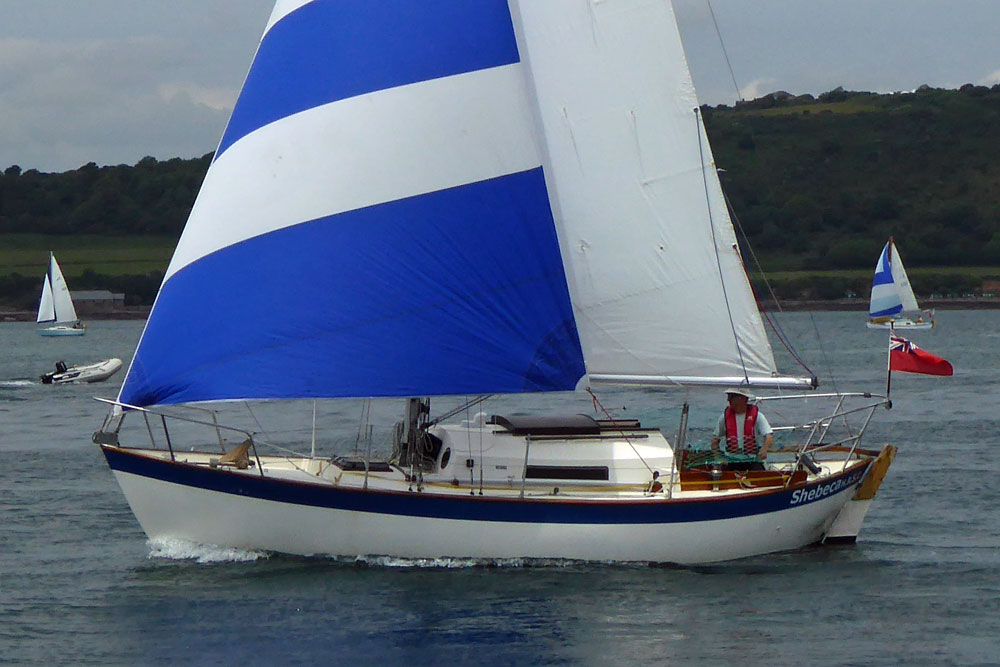
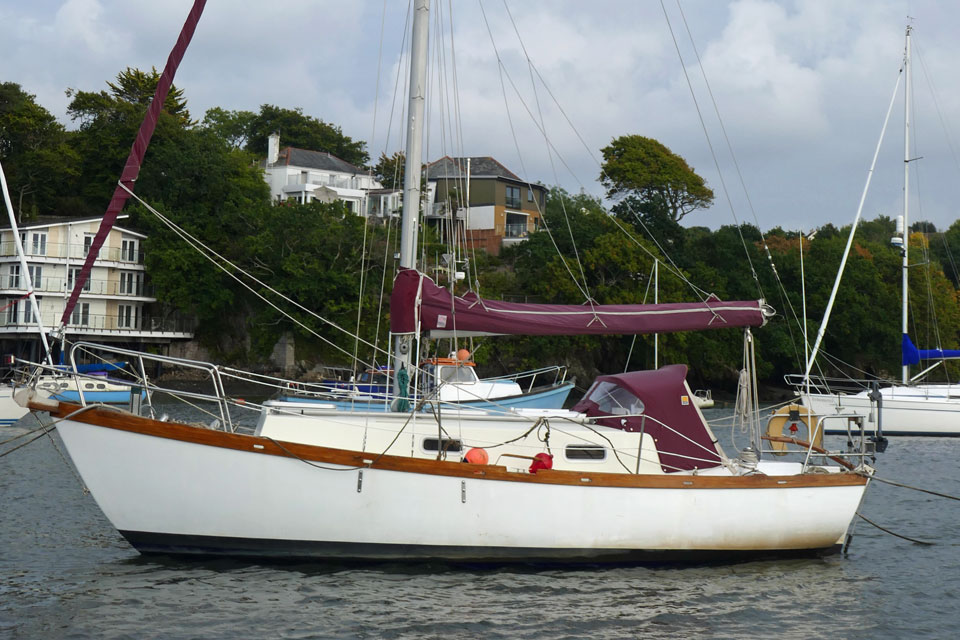 The GRP-hulled Vertue II sailboat
Table of Contents
- The Vertue II at a Glance
- Design & Construction
- Published Specification: The Vertue II Blueprint
- Sail Areas & Rig Dimensions
- Performance Analysis: Understanding the Design Ratios
- How the Vertue II Sails
- Bluewater Capability: Strengths & Trade-Offs
- Configuration, Layout & Cruising Characteristics
- Who This Boat Is Best For
- The Buyer’s Checklist: Common Problem Areas
- Summing Up
- Frequently Asked Questions (FAQs)
The Vertue II at a Glance
- Type: Long‑keel GRP pocket cruiser
- Designer: Jack Laurent Giles
- Builder: Bossoms Boatyard (UK), limited GRP series
- Production Years: Early–mid 1970s (approx. 1970–1976)
- Rig: Masthead Bermudan sloop (some “slutter” cutter‑style arrangements)
- Best for: Short‑handed coastal & offshore cruising, small‑boat passagemaking
- Strengths: Strong construction, long‑keel tracking, motion comfort, proven Vertue heritage
- Trade‑offs: Modest speed, compact interior, limited tankage and stowage, age‑related refit needs
Design & Construction
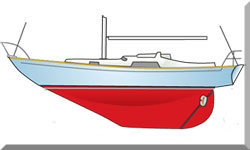
The Vertue II is the glass‑reinforced plastic (GRP) development of Laurent Giles’ celebrated Vertue design, first drawn in the 1930s and proven by a string of serious voyages in very small boats. Where the original Vertue was primarily wooden, around 25'3" (7.7 m) overall with a beam near 7'2" (2.18 m), the Vertue II was redrawn with a slightly longer waterline and roughly 8" (0.20 m) more beam to suit GRP series production and the expectations of more comfortable cruising. The hull form remains recognisably Vertue: a spoon bow, full sections forward, a deep forefoot and a long keel carrying through to a transom‑hung rudder. This combination gives strong directional stability and a reassuring feel in a seaway, at the cost of agility under sail and in tight marinas compared with modern fin‑keelers.
 The earlier wooden-hulled Vertue from the 1930s
Construction is typically solid GRP hull with substantial longitudinal and transverse stiffening, and a moulded deck bonded to the hull. Bossoms’ boats are generally regarded as robustly built, but age and individual yard practices mean that any buyer should inspect for deck‑to‑hull joint integrity, signs of laminate stress around chainplates, and any history of osmosis treatment. Ballast is usually iron, encapsulated or heavily fastened, contributing around 2,200 lb (998 kg) to a total displacement of about 9,220 lb (4,182 kg). The long keel and transom‑hung rudder arrangement is simple and strong, but the rudder stock, pintles and gudgeons deserve close attention on survey, as they carry significant loads when the boat is pressed.
Earlier wooden Vertues appeared with a variety of rigs—gaff cutters, Bermudan cutters, masthead sloops and fractional options—and a wide range of coachroof shapes and cockpit treatments. The Vertue II, by contrast, is more standardised: most examples are masthead Bermudan sloops, sometimes with inner forestays and small staysails that give a “slutter” feel. Layouts are broadly similar: a compact forecabin with vee‑berths or a double, heads compartment, saloon with settees and a small galley, all within a hull that still prioritises sea‑kindly proportions over interior volume.
Published Specification: The Vertue II Blueprint
| Specification | Value |
|---|---|
| LOA | 25'8" (7.81 m) |
| LWL | 21'5" (6.53 m) |
| Beam | 7'10" (2.38 m) |
| Draft (max) | 4'6"–4'7" (≈1.37 m) |
| Draft (min) | Long keel |
| Displacement | 9,220 lb (4,182 kg) |
| Ballast | 2,200 lb (998 kg), iron |
| Rig Type | Masthead Bermudan sloop |
| Hull Material | GRP (fibreglass) |
| Production Dates | Approx. 1970–mid‑1970s, limited series |
Sail Areas & Rig Dimensions
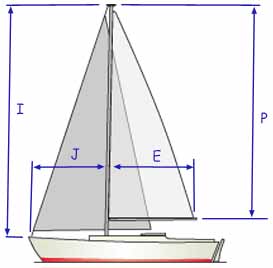 Rig dimensions
Published sail areas for the Vertue II are:
- Mainsail: 209 ft² (19.4 m²)
- Genoa: 255 ft² (23.7 m²)
- Jib (working headsail): 160 ft² (14.9 m²)
Total reported sail area is around 464 ft² (43.1 m²), which is modest for the displacement but appropriate for a conservative, long‑keel cruiser that is expected to carry sail in stronger winds rather than chase light‑air performance.
Rig dimensions I, J, P and E are not consistently published in primary sources for the GRP Vertue II. Most owners and sailmakers work from individual measurements taken on the specific boat, as rigs and deck hardware can vary slightly between builds and refits. For buyers, the practical takeaway is that any new sail plan or rigging work should start with a fresh measurement rather than relying on generic numbers.
Performance Analysis: Understanding the Design Ratios
| Ratio | Value | Interpretation |
|---|---|---|
| Sail Area / Displacement (SA/D) | ≈16.9 | Moderate power; needs a breeze to get going, but not under‑canvassed for cruising. |
| Displacement / Length (D/L) | ≈419 | Ultra‑heavy; prioritises seakeeping, load‑carrying and motion comfort over speed. |
| Ballast / Displacement (B/D) | ≈24 % | Moderate ballast ratio; stability comes from hull form & long keel as much as ballast. |
| Capsize Screening Formula (CSF) | ≈1.49 | Well below 2.0; favourable for offshore work and resistance to knock‑down risk. |
| Brewer Motion Comfort Ratio | ≈40.6 | High comfort figure for a 25‑footer; indicates a slow, gentle motion in waves. |
Taken together, these ratios paint a clear picture: the Vertue II is a small but very serious cruising boat. It is not quick by modern standards, yet it offers a level of comfort and security at sea that many larger, lighter boats struggle to match.
For more on this topic, you might want to take a look at Understanding Boat Performance & Design Ratios...
How the Vertue II Sails
Upwind, the Vertue II rewards patience and trim. In moderate to fresh breezes, the long keel and deep forefoot help the boat track steadily, with a soft entry into waves and little slamming. She will not point as high as a modern fin‑keeler, but the leeway is modest once the keel is fully loaded and the sails are properly set. Owners often comment that the boat feels “locked in” on a course, which is reassuring offshore but means tacks are deliberate rather than snappy.
Downwind, the heavy displacement and long keel give a steady, predictable run. The boat is less prone to surfing or sudden accelerations, which reduces the risk of broaches but also means passage times can be conservative. With a well‑cut headsail and, ideally, a small cruising chute or reaching sail, she will hold a comfortable speed without demanding constant attention from the helm.
The helm itself is typically light and positive once the boat is moving, with a small amount of weather helm developing as the breeze builds. Reefing is straightforward: most Vertue II rigs are set up with slab‑reefed mains and roller or hanked headsails. Given the modest SA/D, many owners carry full sail longer than they would on a lighter boat, but the sensible approach is to reef early and keep the boat upright, letting the hull shape and long keel do the work.
Short‑handed behaviour is one of the Vertue II’s strengths. The compact rig, long keel tracking and forgiving motion make it manageable for a solo sailor or couple, provided systems are kept simple and well maintained. The boat is not particularly quick to accelerate out of tacks or manoeuvres, so timing and anticipation matter, especially in confined waters. Under engine, the long keel and transom‑hung rudder combination gives good control once water is flowing over the rudder, but prop walk and windage can be noticeable at very low speeds.
Bluewater Capability: Strengths & Trade-Offs
The Vertue II’s bluewater credentials rest on conservative design, robust construction and a long track record of the Vertue family in offshore passages. The low CSF, high comfort ratio and ultra‑heavy D/L all support the idea that this is a boat designed to look after its crew when the weather turns unfriendly. The long keel, deep sections and modest freeboard help the boat ride through waves rather than bounce on top of them, reducing fatigue and stress on gear.
Tankage is limited by modern standards: around 20 US gallons (77 L) of fuel and 24 US gallons (91 L) of water in typical original layouts. For serious ocean work, most owners add flexible tanks, jerrycans and water‑saving habits rather than trying to turn the boat into a floating apartment. Load‑carrying is good for a boat of this size, but there is a point at which extra gear and stores will drag the waterline down and compromise performance. The hull can carry weight, yet the sailor must be disciplined about what truly needs to be aboard.
Deck safety is generally sound: high coamings, secure handholds and a deep cockpit contribute to a feeling of security. However, age‑related issues such as worn non‑skid, tired guardrails and outdated hardware can erode that safety margin if not addressed. Many Vertue II owners retrofit modern jackstay points, stronger padeyes for tethers and upgraded deck gear to match contemporary offshore practice.
Configuration, Layout & Cruising Characteristics
The cockpit on a Vertue II is typically compact but deep, with good protection from coamings and a modest bridge deck. It is not a lounging platform, yet it works well for watch‑keeping and sail handling. The long‑keel hull shape means the cockpit is placed relatively far aft, with tiller steering and simple controls. Engine access is usually under the companionway, which can be tight but workable for routine maintenance.
Deck ergonomics reflect the boat’s era: narrow side decks, substantial coachroof and traditional hardware. Moving forward requires care, especially in a seaway, but the handholds and shrouds are well placed. Many boats have been upgraded with modern self‑tailing winches, rope clutches and better halyard leads, which significantly improve handling without changing the character of the boat.
Below, the interior is compact but surprisingly workable. Headroom is around 6'2" (1.88 m) in the main area, which is generous for a 25‑footer. Berths are typically a vee‑berth forward and saloon settees that can be used as sea berths. The galley is small, often a simple two‑burner stove, sink and limited worktop, but adequate for cruising if the crew accepts the boat’s size. Storage is a mix of lockers, shelves and under‑berth spaces; it rewards organised sailors who are willing to keep gear in dedicated places.
As a liveaboard platform, the Vertue II suits those who value seakeeping and simplicity over space. A single person or a couple can live aboard comfortably if they are realistic about possessions and accept that the boat is more “sea cabin” than floating cottage. Heating, ventilation and insulation upgrades can make a big difference to comfort in cooler climates.
Who This Boat Is Best For
Good fit for:
- Sailors who prioritise seaworthiness, motion comfort and conservative design over speed
- Short‑handed cruisers and solo sailors comfortable with compact spaces
- Owners looking for a small but capable offshore boat with strong character and heritage
- Those willing to invest in a thoughtful refit rather than chase modern styling
Less ideal for:
- Crews who want high average speeds, racing performance or sharp upwind angles
- Families needing multiple private cabins and generous interior volume
- Owners who prefer low‑maintenance, “turn‑key” modern production boats
- Sailors uncomfortable with long‑keel handling in tight marinas or strong crosswinds
The Buyer’s Checklist: Common Problem Areas
For a buyer assessing a Vertue II, the following points deserve particular attention:
- Hull & Osmosis: Check for signs of blistering, previous treatments and any structural repairs. GRP from the 1970s can be sound, but moisture ingress and poor early treatments may leave issues that need professional work.
- Keel & Ballast: Inspect the keel‑to‑hull interface for cracking, rust staining or movement. Confirm the condition of any keel bolts or fastenings, especially if the ballast is iron and has seen decades of immersion.
- Rudder & Steering: Examine the transom‑hung rudder, stock, pintles and gudgeons for wear, corrosion and play. Replacement or refurbishment can be a significant but worthwhile safety upgrade.
- Deck, Coachroof & Chainplates: Look for soft spots, crazing and stress cracks around high‑load areas. Chainplate attachments, whether through‑bolted or glassed in, should be inspected carefully for corrosion and laminate damage.
- Rig & Standing Rigging: Many Vertue II rigs are now well beyond original service life. Budget for full standing rigging replacement if there is no recent documented history, and check mast step and partners for compression or movement.
- Engine & Installation: Original small diesels may have been replaced; assess current engine hours, mounts, exhaust system and fuel lines. Access is tight, so neat installation and good service history are valuable.
- Interior & Systems: Age‑related wear in joinery, wiring and plumbing is common. A tidy, thoughtfully updated interior often signals a careful owner; a neglected one suggests hidden jobs.
Typical refit costs can vary widely, but a buyer should be prepared for:
- Full rigging replacement and sail updates
- Keel and rudder work if corrosion or movement is found
- Osmosis treatment if blisters are significant
- Engine replacement or major overhaul on tired installations
- Electrical and plumbing modernisation to current safety expectations
None of these are automatic deal‑breakers, but the cumulative cost can exceed the purchase price if the boat is tired. The true deal‑breakers are usually structural: serious hull distortion, major keel movement, rotten structural bulkheads or badly executed previous repairs.
Could this be your ideal cruising boat?
It may well be, but before going any further, it might be worth taking a look at my eBook 'How to Avoid Buying the Wrong Sailboat'...
Summing Up
The Vertue II occupies a niche that appeals strongly to experienced sailors who understand what a small, heavy, long‑keel cruiser can and cannot do. On paper, the design ratios show a boat that is slow, heavy and modestly canvassed. In practice, those same numbers translate into a hull that looks after its crew, tracks steadily and offers a surprisingly gentle motion for a 25‑footer. The trade‑offs are clear: limited space, conservative speed and the realities of maintaining a 1970s GRP boat.
For the right owner—someone who values seakeeping, character and thoughtful seamanship—the Vertue II can be a capable coastal and ocean cruiser, a compact liveaboard and a satisfying project. The key is to buy with eyes open: understand the structural state, budget realistically for refit work and accept that the boat’s strengths lie in how she behaves when the forecast is less friendly, not in how she looks on a marina brochure.

Written by Dick McClary, cruising sailor and yachting journalist, publisher of Sailboat‑Cruising.com and admin of the Liveaboard Sailboats for Sale community.

Frequently Asked Questions (FAQs)
Is the Vertue II suitable for ocean crossings, or is it mainly a coastal cruiser?
Is the Vertue II suitable for ocean crossings, or is it mainly a coastal cruiser?
The Vertue II’s design ratios, long‑keel hull and heritage within the Vertue family make it suitable for carefully planned ocean passages in the hands of experienced sailors. Its size demands disciplined loading, conservative routing and realistic expectations about passage times, but many owners treat it as a genuine small‑boat ocean voyager rather than a purely coastal cruiser.
How does the Vertue II compare to other small bluewater cruisers like the Contessa 26 or Nicholson 26?
How does the Vertue II compare to other small bluewater cruisers like the Contessa 26 or Nicholson 26?
Compared with fin‑keel designs such as the Contessa 26, the Vertue II is heavier, slower and more traditional in handling, but often more comfortable in a seaway. Against other long‑keel cruisers like the Nicholson 26, it sits in a similar conceptual space, with slightly less length but a very strong reputation for motion comfort and tracking. Choice between them often comes down to personal preference on layout, aesthetics and handling style.
What are the most important upgrades for a Vertue II intended for extended offshore cruising?
What are the most important upgrades for a Vertue II intended for extended offshore cruising?
Priority upgrades usually include modern standing rigging, reliable sails, improved deck hardware for short‑handed handling, robust jackstay and tether points, and updated navigation, electrical and safety systems. Many owners also add extra tankage, efficient heating and ventilation, and thoughtful storage solutions to make life aboard more comfortable on longer voyages.
How sensitive is the Vertue II to loading, and how much gear can it realistically carry?
How sensitive is the Vertue II to loading, and how much gear can it realistically carry?
The hull can carry a fair amount of weight for its size, but performance and freeboard suffer if the boat is overloaded. A sensible approach is to keep heavy items low and central, avoid duplicating gear unnecessarily and accept that some comforts must stay ashore. When loaded within reason, the boat retains its steady motion and tracking; when overloaded, it becomes slower and more sluggish, especially in light airs.
Are there significant differences between individual Vertue II boats that affect buying decisions?
Are there significant differences between individual Vertue II boats that affect buying decisions?
Yes. Limited GRP production, yard practices and decades of owner modifications mean that no two Vertue II boats are identical. Differences in rig details, interior layouts, engine installations and refit quality can be substantial. A buyer should assess each boat on its own merits, focusing on structural integrity, quality of upgrades and how well the configuration suits their intended cruising style.
Recent Articles


-
Mystery 35 Review: Specs, Performance & Buying Guide
Aug 29, 26 09:42 AM
An in-depth review of the Mystery 35 sailboat. Read technical specs, design ratios, sail performance, and common buyer inspection areas. -
Beneteau First 405 Review: Specs, Performance & Buyer’s Guide
Aug 26, 26 03:58 AM
Detailed Beneteau First 405 review covering specs, performance, bluewater capability, layouts and buyer’s checklist. -
Moody S38 Review: Specs, Ratios & Buyer’s Guide
Aug 12, 26 04:22 AM
In‑depth Moody S38 review covering specs, performance, design ratios, layout, strengths, trade‑offs & buyer inspection points.